opposed - Master This Word
Master this word with our 5-step learning method – Learn English in English
Train English Through Brain Routes, Not Translation.
This page helps you stop memorizing isolated translations and start understanding a word through its shared mental image, native-style thinking, and practical training steps.
Master this word with our 5-step learning method – Learn English in English
Example sentences are the start of understanding. Don't rush to memorize. First feel how the word works in a sentence.
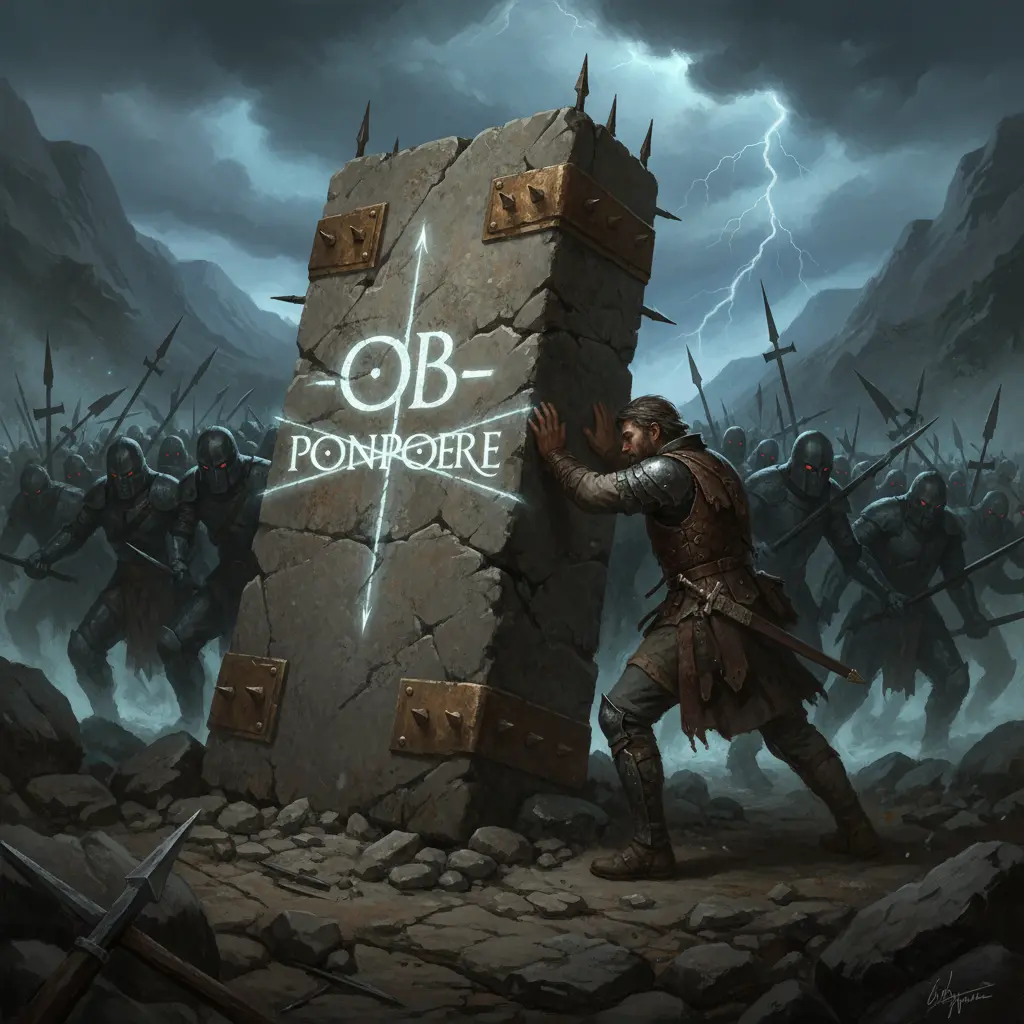
The word 'oppose' comes from 'ob-' meaning 'against' and 'ponere' meaning 'to place'. The historical origin traces back from Latin through Old French into English. Picture someone placing a barrier against an advancing force, symbolizing resistance and opposition.
Note 1: These definitions and etymologies are not standard dictionary definitions, but extended explanations provided to help with memorization and understanding of the actual application of words. Through this background information, we strive to make words more vivid and easier to understand, and help you remember their meanings in real life.
Note 2: LexiTalk designs the learning flow around the linguistics principle of “Comprehensible Input.” When learners encounter material that is slightly above their level but still understandable from context, the brain naturally absorbs the language. That’s why we keep every word inside authentic contexts, using examples and associations to help you understand it and use it flexibly.
Read the FAQ explanation of Comprehensible InputFirst I plant my feet and pull my thoughts back from the easy yes. I shift my weight and push a counterpoint into the air, steady and calm. The room feels a little tighter, a touch of heat at my cheeks as I hold my ground and adjust my stance. In the talk that follows, I keep testing what I can support and what I can’t, letting the tension turn into a move that shows we don’t have to oppose each other to keep moving forward together.
Oppose is a verb meaning to disagree with something, to resist or fight against it, or to place in opposition to something. It is used when you oppose a proposal, an idea, a policy, or an action. You can oppose by arguing against it, voting against it, or taking steps to prevent it. The object of oppose is typically a noun or noun phrase (oppose a plan, oppose a bill, oppose a theory). The form is transitive: you oppose something or someone. The word's etymology traces to ob- meaning against and ponere meaning to place, from Latin, through Old French into English. This word signals an active stance rather than simple disagreement, and it can imply strategic resistance.
English tends to separate be opposed to (a stance) from oppose (an action). Learners often mix be opposed to with oppose to, and may treat opposition as passive rather than active resistance.
What is the meaning of the word 'opposed'?
Which of the following sentences uses 'opposed' correctly?
What is a synonym for 'opposed'?
What is an opposite of 'opposed'?
In what situation would someone be 'opposed' to a decision at work?
Download LexiTalk app for personalized learning experience
Download AppCookies
We use cookies for essential site functions, analytics, and ads. You can accept, reject, or manage preferences. Privacy Policy