
oratorio - Master This Word
Master this word with our 5-step learning method – Learn English in English
Train English Through Brain Routes, Not Translation.
This page helps you stop memorizing isolated translations and start understanding a word through its shared mental image, native-style thinking, and practical training steps.
Master this word with our 5-step learning method – Learn English in English
Example sentences are the start of understanding. Don't rush to memorize. First feel how the word works in a sentence.
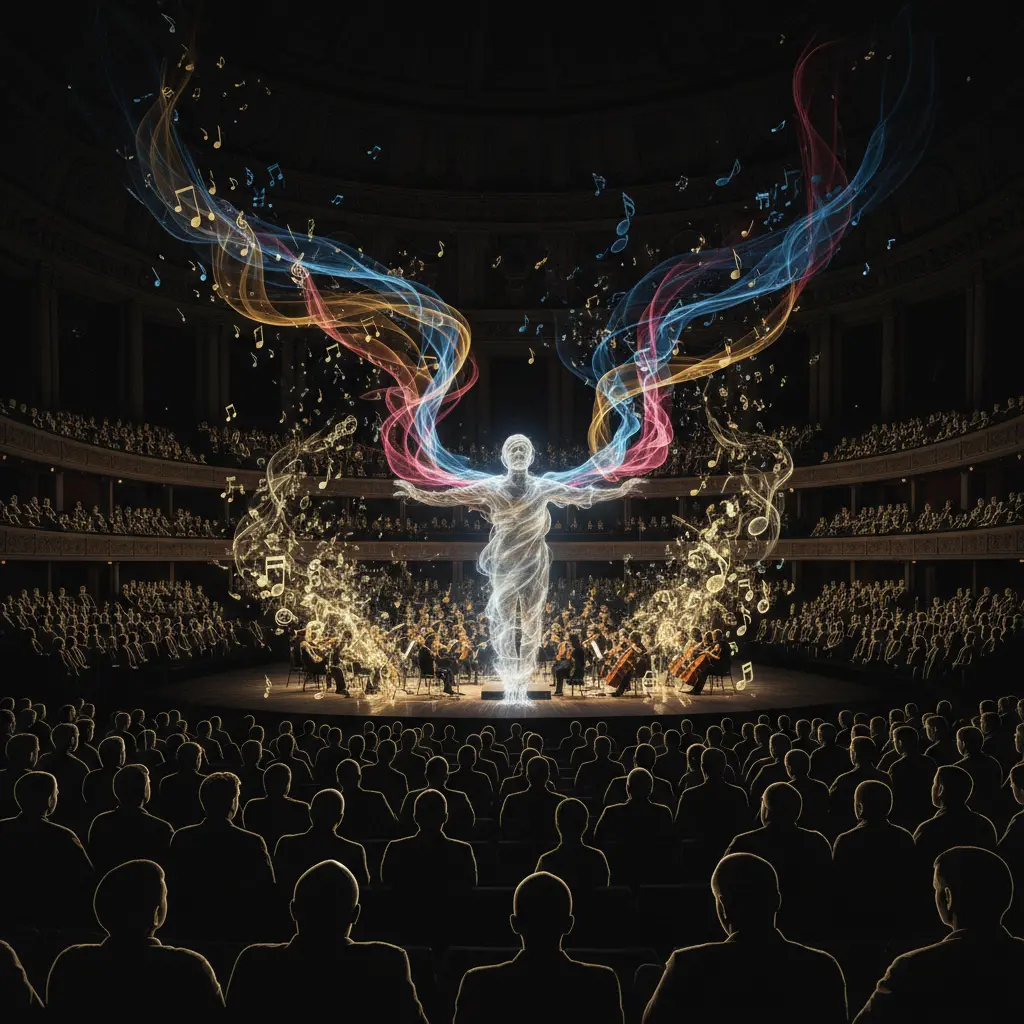
root: 'orator' (one who speaks) + suffix '-io' (action or process). Origin: Latin → Old French → English. Memory image: Imagine a grand hall where a powerful speaker captivates the audience, expressing deep emotions through music, with no visuals—just the voice and orchestral sound weaving stories.
Note 1: These definitions and etymologies are not standard dictionary definitions, but extended explanations provided to help with memorization and understanding of the actual application of words. Through this background information, we strive to make words more vivid and easier to understand, and help you remember their meanings in real life.
Note 2: LexiTalk designs the learning flow around the linguistics principle of “Comprehensible Input.” When learners encounter material that is slightly above their level but still understandable from context, the brain naturally absorbs the language. That’s why we keep every word inside authentic contexts, using examples and associations to help you understand it and use it flexibly.
Read the FAQ explanation of Comprehensible InputAn oratorio is a large-scale musical work for choir, soloists, and orchestra that tells a story entirely through music, without acting or staging. Originating in the 17th century from religious and devotional music, it evolved into both sacred and secular forms and was especially popular in the Baroque and Classical eras. Oratorios resemble opera in their use of singers and orchestra, but they are performed as concerts with no staging. Famous examples include Handel's Messiah and Bach's Christmas Oratorio. When learning this term, note its structure: overture, narrative recitatives, arias and ensembles, and choruses that build dramatic momentum across sections.
English speakers often separate 'oratorio' from opera by context (concert form, no staging). Learners may assume it is always sacred or confuse it with stage drama.
What is the definition of 'oratorio'?
Which sentence uses 'oratorio' correctly?
Which word is most similar to 'oratorio'?
What is the opposite of 'oratorio'?
Can you think of a real-life context where an oratorio might be performed?
Download LexiTalk app for personalized learning experience
Download AppCookies
We use cookies for essential site functions, analytics, and ads. You can accept, reject, or manage preferences. Privacy Policy