ounces - Master This Word
Master this word with our 5-step learning method – Learn English in English
Train English Through Brain Routes, Not Translation.
This page helps you stop memorizing isolated translations and start understanding a word through its shared mental image, native-style thinking, and practical training steps.
Master this word with our 5-step learning method – Learn English in English
Example sentences are the start of understanding. Don't rush to memorize. First feel how the word works in a sentence.
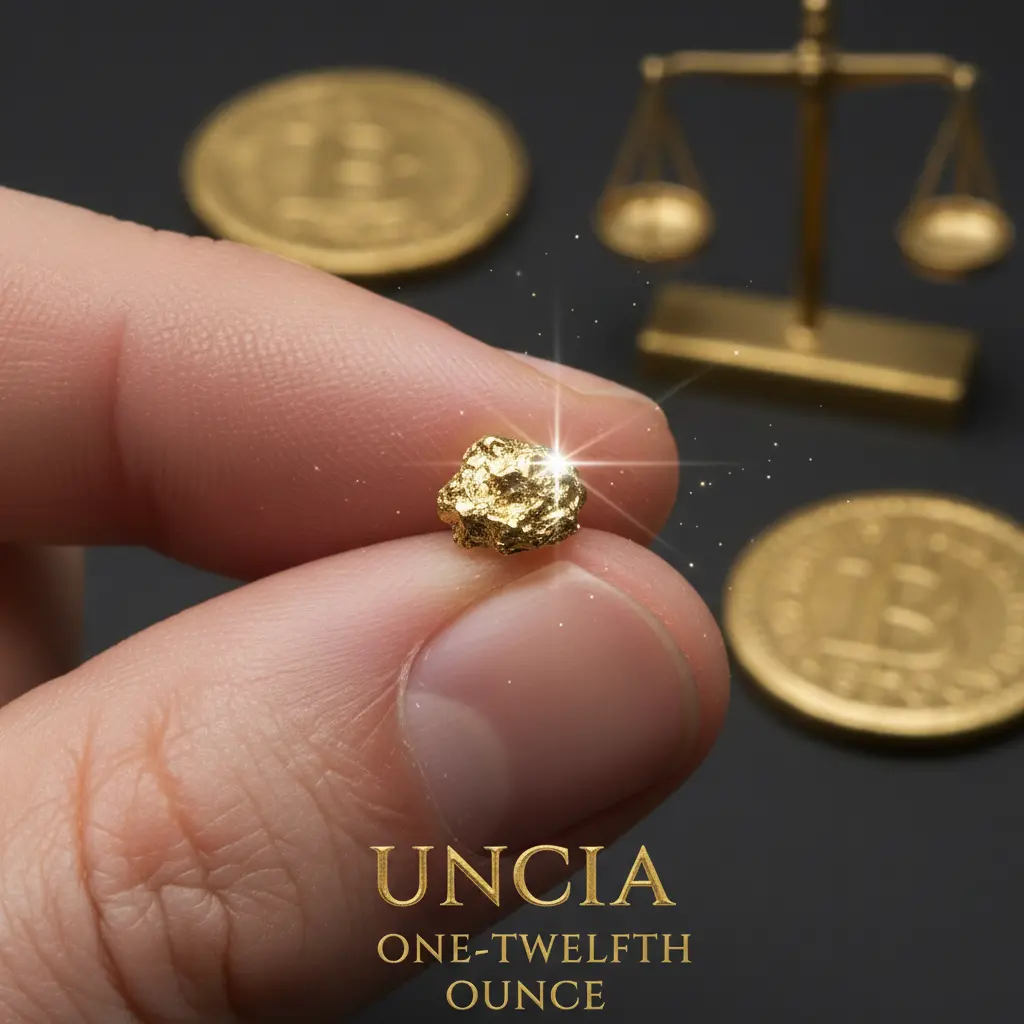
Root decomposition: 'uncia' (Latin), meaning 'one-twelfth'. Historical origin: Latin → Old French 'unce' → English 'ounce'. Memory image: Imagine holding a tiny ounce of gold, sparkling like a star, emphasizing its precious but small quantity, just like the word's meanings of measurability and smallness.
Note 1: These definitions and etymologies are not standard dictionary definitions, but extended explanations provided to help with memorization and understanding of the actual application of words. Through this background information, we strive to make words more vivid and easier to understand, and help you remember their meanings in real life.
Note 2: LexiTalk designs the learning flow around the linguistics principle of “Comprehensible Input.” When learners encounter material that is slightly above their level but still understandable from context, the brain naturally absorbs the language. That’s why we keep every word inside authentic contexts, using examples and associations to help you understand it and use it flexibly.
Read the FAQ explanation of Comprehensible InputAn ounce is a small unit of weight used in the avoirdupois system in the United States and Britain. It equals 1/16 of a pound, roughly 28.35 grams. People often refer to very small quantities as 'an ounce,' and the famous phrase 'an ounce of prevention' shows how a tiny amount can matter. In daily life you encounter ounces when weighing food, medicine, or precious metals. There is also a liquid ounce, or fluid ounce, used for volume and about 29.57 milliliters in the U. S. system. Remember to distinguish weight from volume to avoid common mistakes.
Learners may picture ounces as tiny but exact numbers, using a direct mental map to grams. English keeps weight units compact in speech and often relies on context for fluency. Mistakes include confusing weight with volume and mixing up fluid ounces in recipes.
English Learning Listening Content
Listen NowDownload LexiTalk app for personalized learning experience
Download AppCookies
We use cookies for essential site functions, analytics, and ads. You can accept, reject, or manage preferences. Privacy Policy