parked - Master This Word
Master this word with our 5-step learning method – Learn English in English
Train English Through Brain Routes, Not Translation.
This page helps you stop memorizing isolated translations and start understanding a word through its shared mental image, native-style thinking, and practical training steps.
Master this word with our 5-step learning method – Learn English in English
Example sentences are the start of understanding. Don't rush to memorize. First feel how the word works in a sentence.
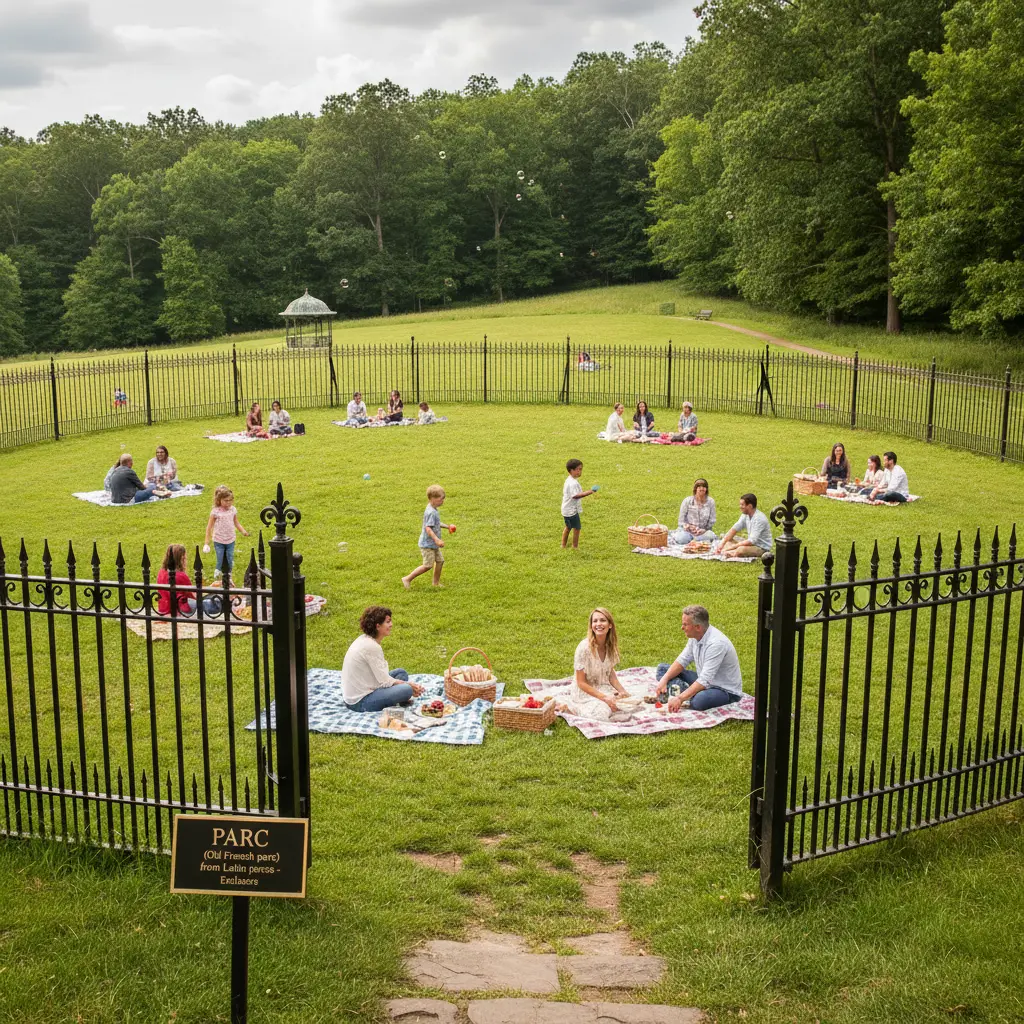
park = 'enclosure' (Old French parc) from Latin parcus. Imagine a vast green field surrounded by an iron gate, where families gather for picnics, evoking leisure and joy in nature.
Note 1: These definitions and etymologies are not standard dictionary definitions, but extended explanations provided to help with memorization and understanding of the actual application of words. Through this background information, we strive to make words more vivid and easier to understand, and help you remember their meanings in real life.
Note 2: LexiTalk designs the learning flow around the linguistics principle of “Comprehensible Input.” When learners encounter material that is slightly above their level but still understandable from context, the brain naturally absorbs the language. That’s why we keep every word inside authentic contexts, using examples and associations to help you understand it and use it flexibly.
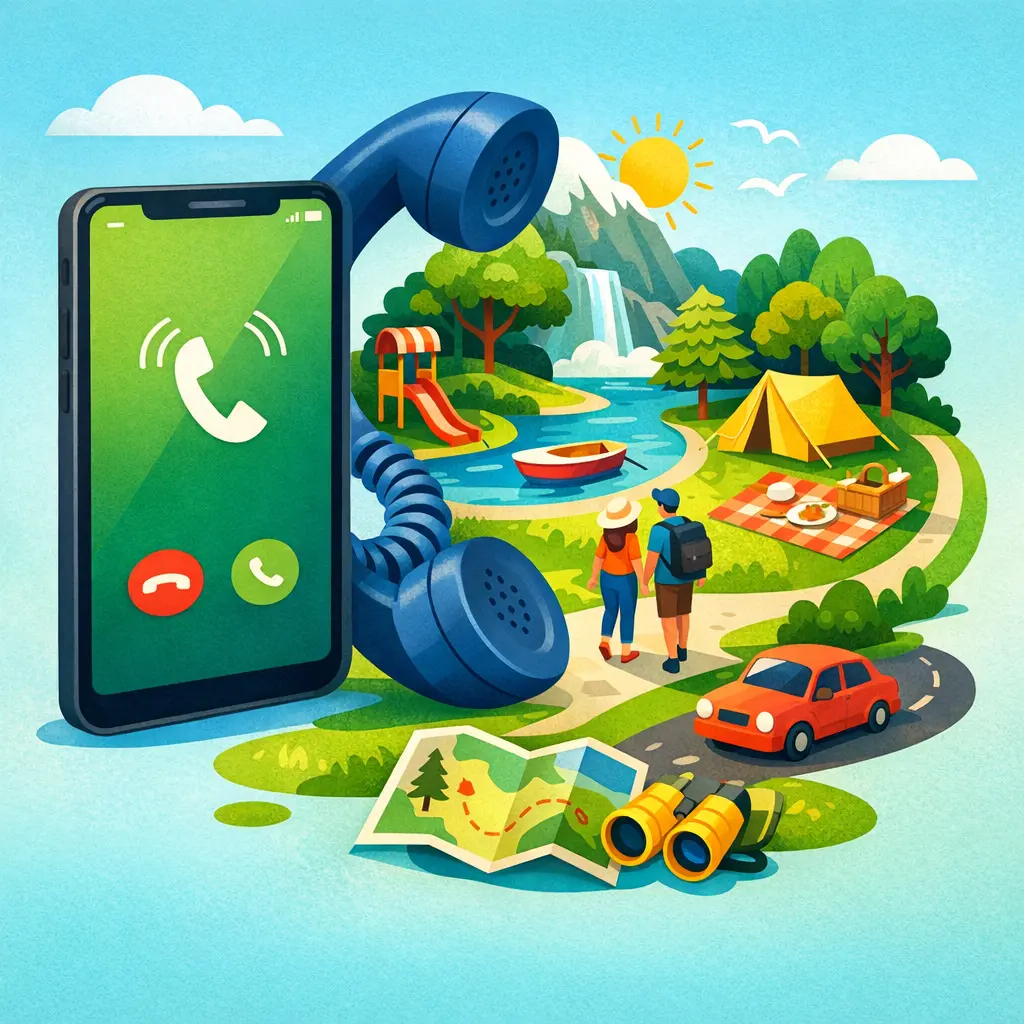
Read the FAQ explanation of Comprehensible InputI push open the car door and step into the cool shade of the park, the air already changing how I feel. I pull my backpack higher, shift my weight, and keep moving along the path toward the green space. The grass softens under my shoes; I sit on a bench, adjust my posture, and let the sounds pull my thoughts toward calm and play. When I leave, I place the memory of the park in my day and carry that small nudge with me.
Park is a versatile English word with two core senses: a noun referring to a public green space designed for recreation, and a verb meaning to position a vehicle in a designated area. It also appears in phrases like park the car or park ranger, which convey rules, order, and care for shared spaces. Etymologically, it comes from Old French parc meaning enclosure, from Latin parcus, hinting at boundaries and protection. In daily life, parks host picnics, sports, concerts, and quiet moments under trees. Learners should note that park can denote a place or an action, and it combines with various prepositions (in the park, at the park, to the park) or takes a direct object for the verb form.
To an English speaker, park blends a place and an action; learners must separate noun vs verb usage and learn common prepositional patterns.
Download LexiTalk app for personalized learning experience
Download AppCookies
We use cookies for essential site functions, analytics, and ads. You can accept, reject, or manage preferences. Privacy Policy