pastiche - Master This Word
Master this word with our 5-step learning method – Learn English in English
Train English Through Brain Routes, Not Translation.
This page helps you stop memorizing isolated translations and start understanding a word through its shared mental image, native-style thinking, and practical training steps.
Master this word with our 5-step learning method – Learn English in English

Example sentences are the start of understanding. Don't rush to memorize. First feel how the word works in a sentence.
Root decomposition: ('pas' combining with '-tich' forming 'pastiche'). Historical origin: Latin 'pasta' → Old French 'pastiche' → English. Memory image: Picture a vibrant dinner table where different cuisines come together in a delightful, creative feast.
Note 1: These definitions and etymologies are not standard dictionary definitions, but extended explanations provided to help with memorization and understanding of the actual application of words. Through this background information, we strive to make words more vivid and easier to understand, and help you remember their meanings in real life.
Note 2: LexiTalk designs the learning flow around the linguistics principle of “Comprehensible Input.” When learners encounter material that is slightly above their level but still understandable from context, the brain naturally absorbs the language. That’s why we keep every word inside authentic contexts, using examples and associations to help you understand it and use it flexibly.
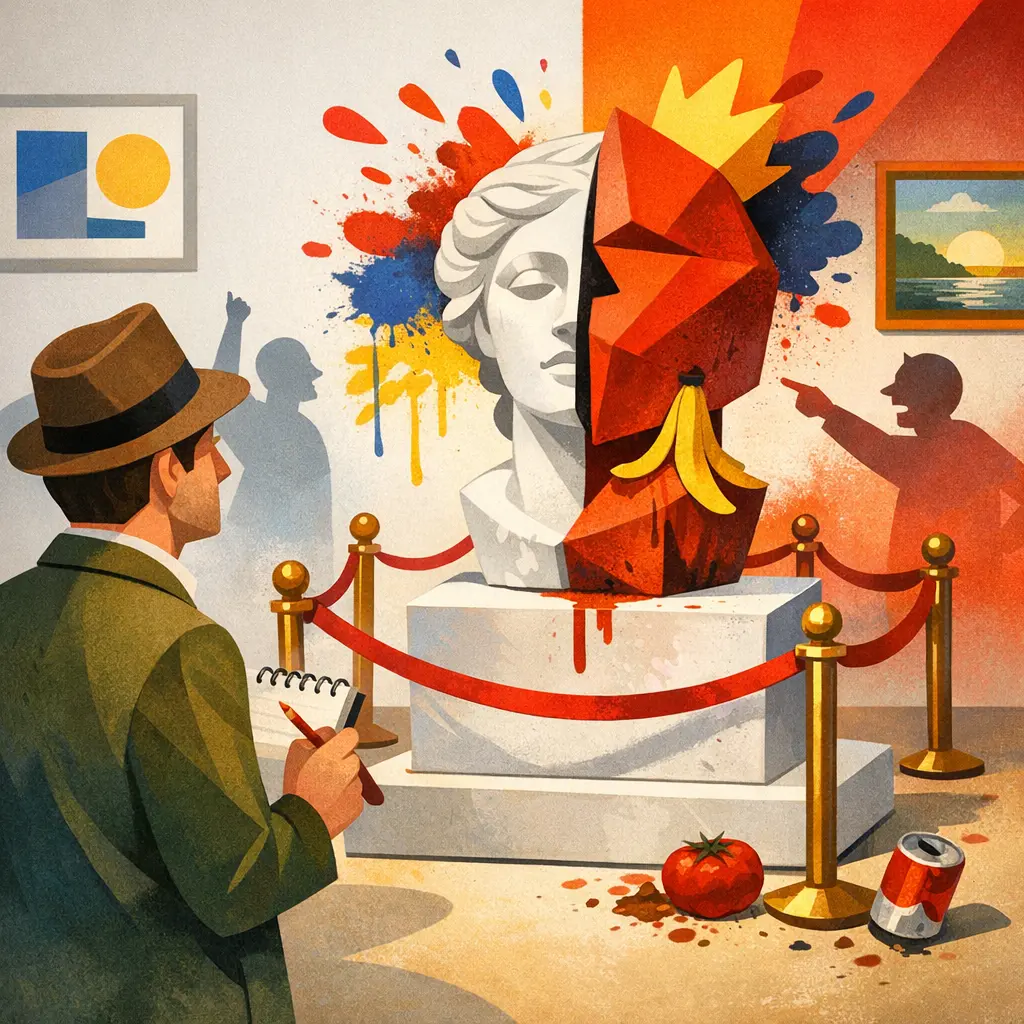
Read the FAQ explanation of Comprehensible InputPastiche can describe a work that imitates the style or spirit of another artist or period, often as a playful homage or a critical wink. It works by weaving recognizable echoes of a source into something new, rather than copying line for line. In literature, music, film, and the visual arts, a pastiche signals a dialogue with the past: it can celebrate a genre, gently lampoon it, or critique its conventions. The tone matters: a pastiche may feel affectionate, scholarly, or mischievous depending on how it blends elements. Learners should notice that pastiche is about stylistic collage, not plagiarism, and that the line between tribute and critique is intentionally subtle.
For English speakers, pastiche often signals a respectful collage or playful critique; it hinges on tone and context. Learners may assume it requires parody or obvious humor, but it can be subtle, affectionate, or ironic depending on how styles are braided.
What is the meaning of the word 'pastiche'?
In which of the following sentences is 'pastiche' used correctly?
Which word is a synonym for 'pastiche'?
What is an antonym for 'pastiche'?
In the world of art, how is the term 'pastiche' commonly used?
Download LexiTalk app for personalized learning experience
Download AppCookies
We use cookies for essential site functions, analytics, and ads. You can accept, reject, or manage preferences. Privacy Policy