
petrol - Master This Word
Master this word with our 5-step learning method – Learn English in English
Train English Through Brain Routes, Not Translation.
This page helps you stop memorizing isolated translations and start understanding a word through its shared mental image, native-style thinking, and practical training steps.
Master this word with our 5-step learning method – Learn English in English
Example sentences are the start of understanding. Don't rush to memorize. First feel how the word works in a sentence.
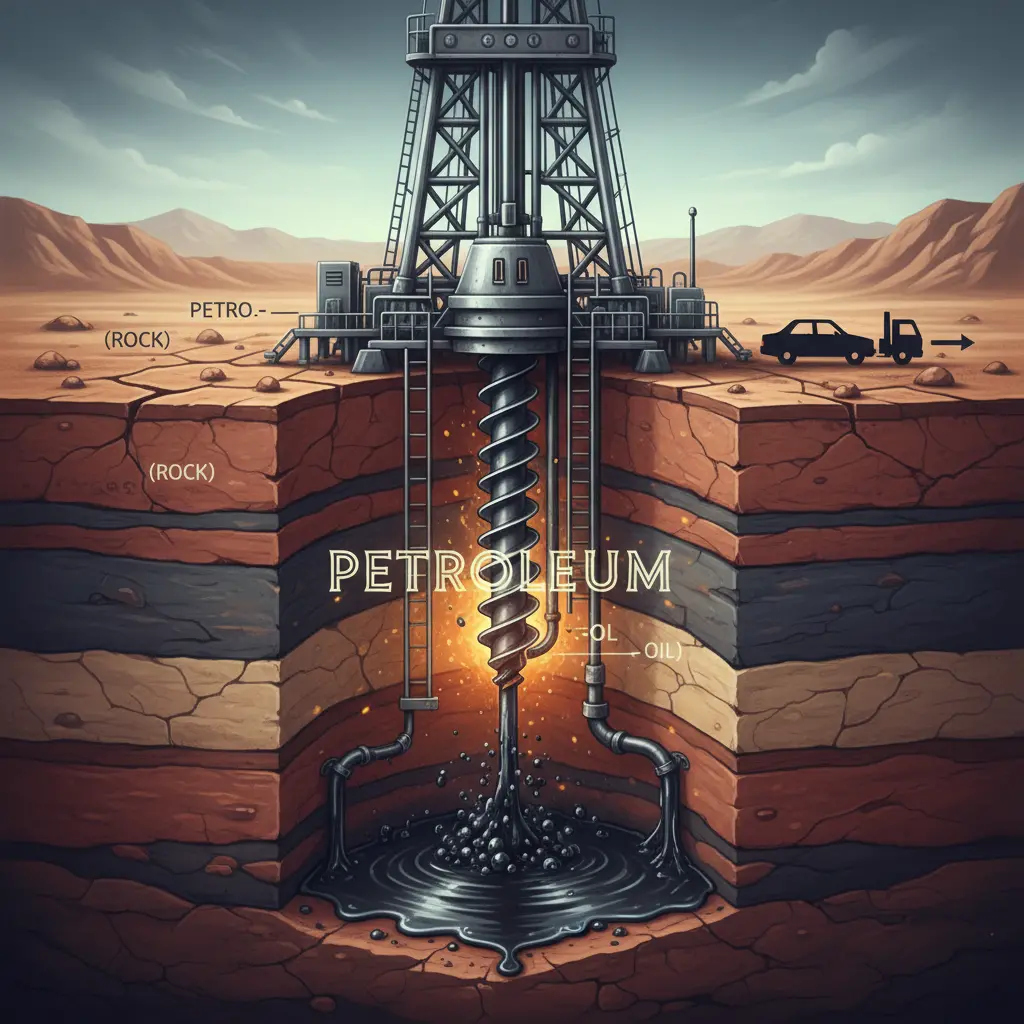
Root decomposition: 'petro-' (rock) + 'ol' (oil). Historical origin: from Latin 'petroleum' → Old French 'petrole' → English. Memory image: imagine drilling deep into the earth to extract 'rock oil', the very essence that fuels our vehicles.
Note 1: These definitions and etymologies are not standard dictionary definitions, but extended explanations provided to help with memorization and understanding of the actual application of words. Through this background information, we strive to make words more vivid and easier to understand, and help you remember their meanings in real life.
Note 2: LexiTalk designs the learning flow around the linguistics principle of “Comprehensible Input.” When learners encounter material that is slightly above their level but still understandable from context, the brain naturally absorbs the language. That’s why we keep every word inside authentic contexts, using examples and associations to help you understand it and use it flexibly.
Read the FAQ explanation of Comprehensible InputAt the pump, I grip the nozzle and pull it out, watching petrol flow into the tank. I steady my hand, shift my stance, and keep the stream controlled as the meter climbs. The hiss, the weight, and the whiff of fuel push the meaning into my memory: petrol is what makes an engine go. When I click the handle shut, I place the nozzle back and carry the idea of petrol with me into the road.
Petrol is the British English term for the liquid fuel used to power most cars and light vehicles. It is a refined product of crude oil, lighter and more volatile than diesel, and it is typically sold by the liter in the UK. The word petrol comes from petroleum, historically a broad term for oil, but today petrol specifically refers to the fuel used in spark-ignition engines. When you picture drilling into the earth to extract a viscous liquid that powers engines, that image captures petrol in everyday life and in many technical contexts alike.
Explain to an English speaker: petrol is the British term for the liquid fuel used in cars; Americans say gasoline or gas. Focus on regional vocabulary, not the core concept of fuel.
What is the meaning of 'petrol'?
Choose the sentence that uses 'petrol' correctly.
Which word is most similar to 'petrol'?
What is the opposite of 'petrol'?
Can you think of a real-life context where 'petrol' is important?
Download LexiTalk app for personalized learning experience
Download AppCookies
We use cookies for essential site functions, analytics, and ads. You can accept, reject, or manage preferences. Privacy Policy