
pigs - Master This Word
Master this word with our 5-step learning method – Learn English in English
Train English Through Brain Routes, Not Translation.
This page helps you stop memorizing isolated translations and start understanding a word through its shared mental image, native-style thinking, and practical training steps.
Master this word with our 5-step learning method – Learn English in English
Example sentences are the start of understanding. Don't rush to memorize. First feel how the word works in a sentence.
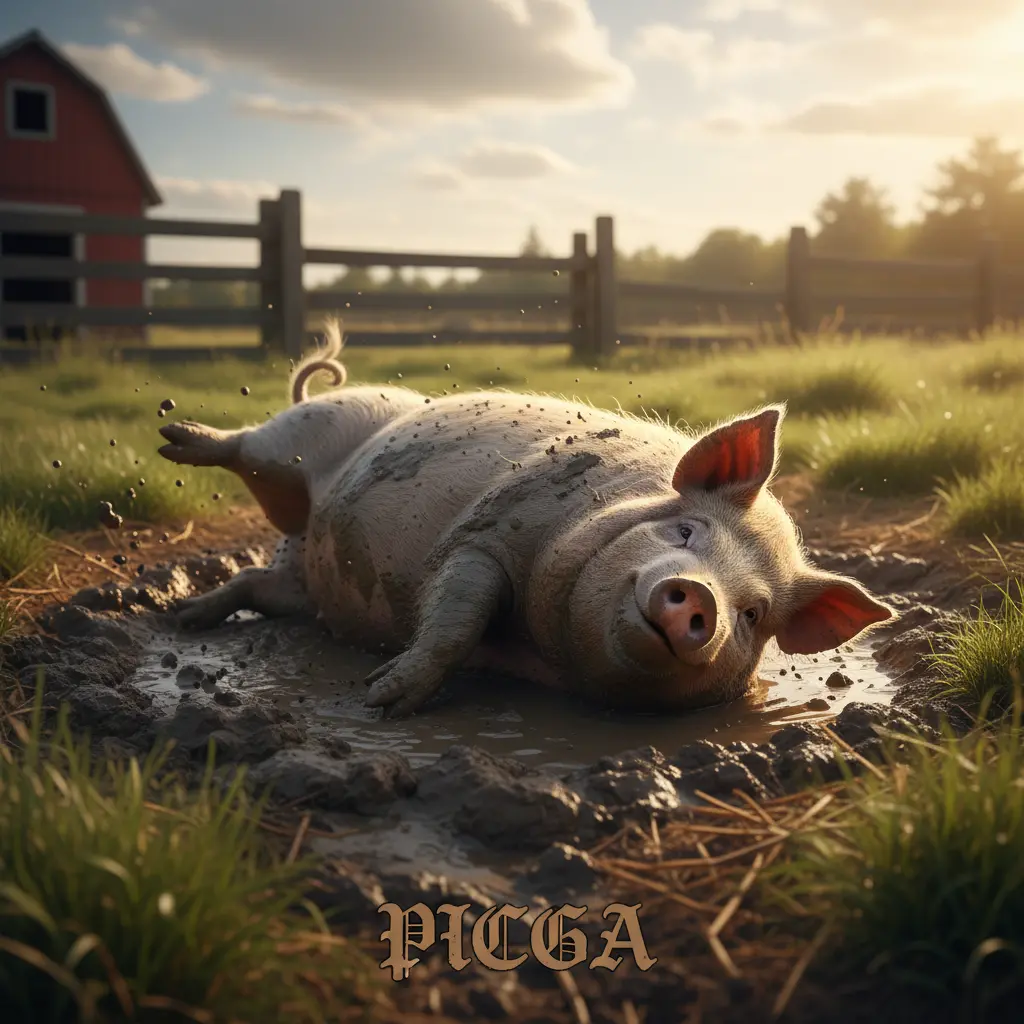
Root: pig; Historical origin: Old English 'picga'; Memory image: Picture a chubby pig rolling in the mud, representing both a farm animal and a messy person.
Note 1: These definitions and etymologies are not standard dictionary definitions, but extended explanations provided to help with memorization and understanding of the actual application of words. Through this background information, we strive to make words more vivid and easier to understand, and help you remember their meanings in real life.
Note 2: LexiTalk designs the learning flow around the linguistics principle of “Comprehensible Input.” When learners encounter material that is slightly above their level but still understandable from context, the brain naturally absorbs the language. That’s why we keep every word inside authentic contexts, using examples and associations to help you understand it and use it flexibly.
Read the FAQ explanation of Comprehensible InputI lift a page and move my eyes along the ink, watching the word take shape. The sketch shows a pig with a stout body, short legs, and a flat snout, and the scene shifts toward a farm in my mind. I adjust my breath, hold the image steady, and let the idea settle as something I could meet at a gate. When I say pig aloud, the sound rounds in my mouth and the word feels like a door opening to the world outside the hedge.
Pig is a common English word with more than one meaning. Most often it refers to a domesticated mammal raised for meat, a stout-bodied animal with short legs and a flat snout. In everyday speech, pig appears in idioms such as 'pig out' (to eat greedily) or 'when pigs fly' (something unlikely). The term can also describe a dirty or greedy person, a meaning that is informal and sometimes offensive. Because of strong cultural associations with farming and mud, learners should pay attention to context and tone to avoid offense when describing people. A clear mental image is a plump farm animal rolling in mud, representing both farming life and messiness.
English commonly treats pig as both an animal and a flexible label for people, with tone shaping whether it’s humorous, neutral, or insulting.
Download LexiTalk app for personalized learning experience
Download AppCookies
We use cookies for essential site functions, analytics, and ads. You can accept, reject, or manage preferences. Privacy Policy