planting - Master This Word
Master this word with our 5-step learning method – Learn English in English
Train English Through Brain Routes, Not Translation.
This page helps you stop memorizing isolated translations and start understanding a word through its shared mental image, native-style thinking, and practical training steps.
Master this word with our 5-step learning method – Learn English in English
Example sentences are the start of understanding. Don't rush to memorize. First feel how the word works in a sentence.
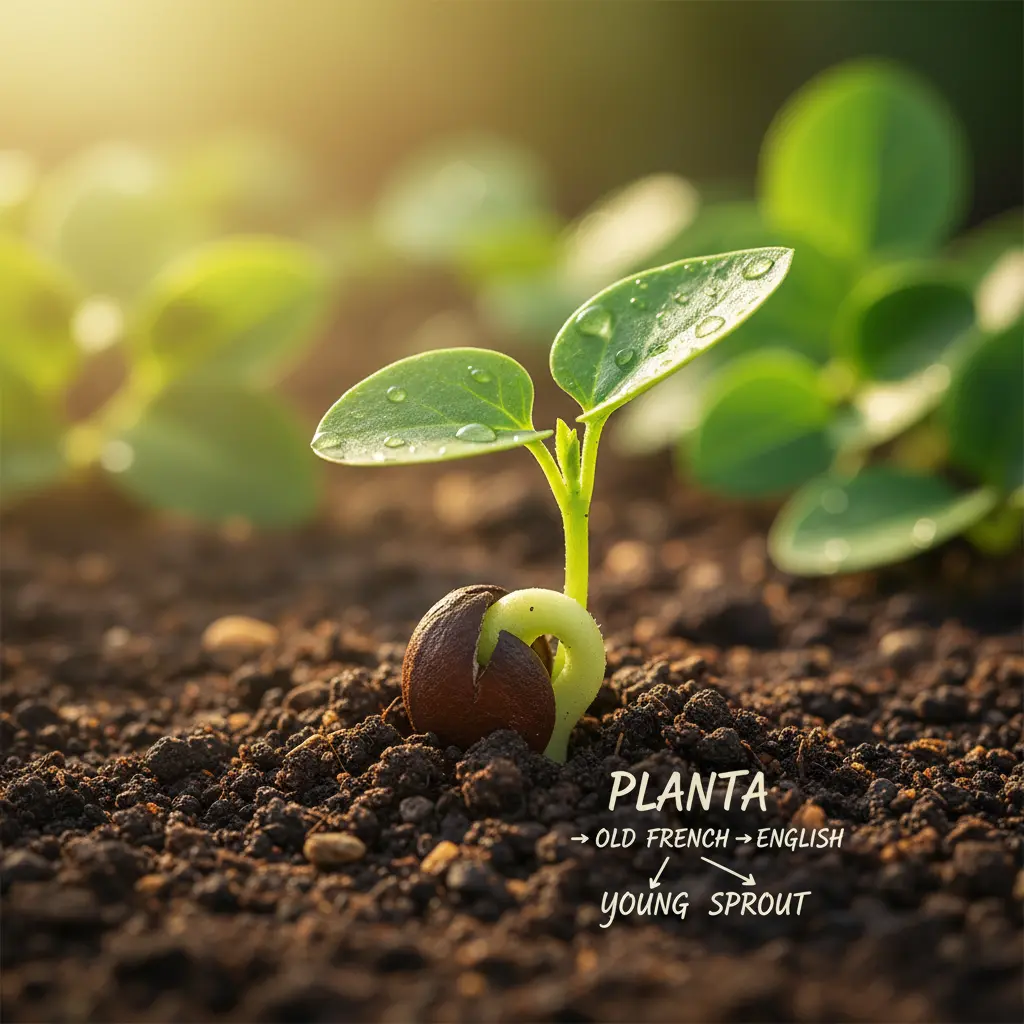
Plant comes from the Latin 'planta' meaning 'sprout' or 'young shoot'. It evolved through Old French before entering English. Imagine a seed pushing through the soil to emerge into a vibrant green plant.
Note 1: These definitions and etymologies are not standard dictionary definitions, but extended explanations provided to help with memorization and understanding of the actual application of words. Through this background information, we strive to make words more vivid and easier to understand, and help you remember their meanings in real life.
Note 2: LexiTalk designs the learning flow around the linguistics principle of “Comprehensible Input.” When learners encounter material that is slightly above their level but still understandable from context, the brain naturally absorbs the language. That’s why we keep every word inside authentic contexts, using examples and associations to help you understand it and use it flexibly.
Read the FAQ explanation of Comprehensible InputI cup a tiny seed in my hand, then I move it toward the soil and set it in a shallow hole. I push a little dirt back and hold the surface steady as the patch settles around it. I feel the effort rising into careful patience, a shift from waiting to doing as the seed sits in place. Later I water, watch the light, and keep the routine—the plant becoming part of everyday care, in a pot or a bed.
Plant is a versatile word in English. As a noun, it refers to a living organism that typically grows in soil, from tiny herbs to towering trees. As a verb, plant means to place a seed or seedling in the ground, or to establish something firmly in a new place or situation. Learners often confuse the two forms and may say, for example, 'to plant a seed' when they mean the seed grows by itself, or they treat plant as a personality trait rather than a thing. Note that plant can also appear in compounds like houseplant, transplant, or energy plant, though those uses vary.
This entry highlights plant as noun and verb with practical English usage; learners often overgeneralize or confuse sense boundaries. Emphasize collocations and metaphorical uses to prevent errors like confusing 'plant' as a personality trait or misusing 'to plant an idea'.
What is the meaning of the word 'planting'?
In which sentence is the word 'planting' used correctly?
Which word is an antonym of 'planting'?
In what real-life context would you see 'planting' being done?
Reflect on the meaning of 'planting'.
Download LexiTalk app for personalized learning experience
Download AppCookies
We use cookies for essential site functions, analytics, and ads. You can accept, reject, or manage preferences. Privacy Policy