plasters - Master This Word
Master this word with our 5-step learning method – Learn English in English
Train English Through Brain Routes, Not Translation.
This page helps you stop memorizing isolated translations and start understanding a word through its shared mental image, native-style thinking, and practical training steps.
Master this word with our 5-step learning method – Learn English in English
Example sentences are the start of understanding. Don't rush to memorize. First feel how the word works in a sentence.
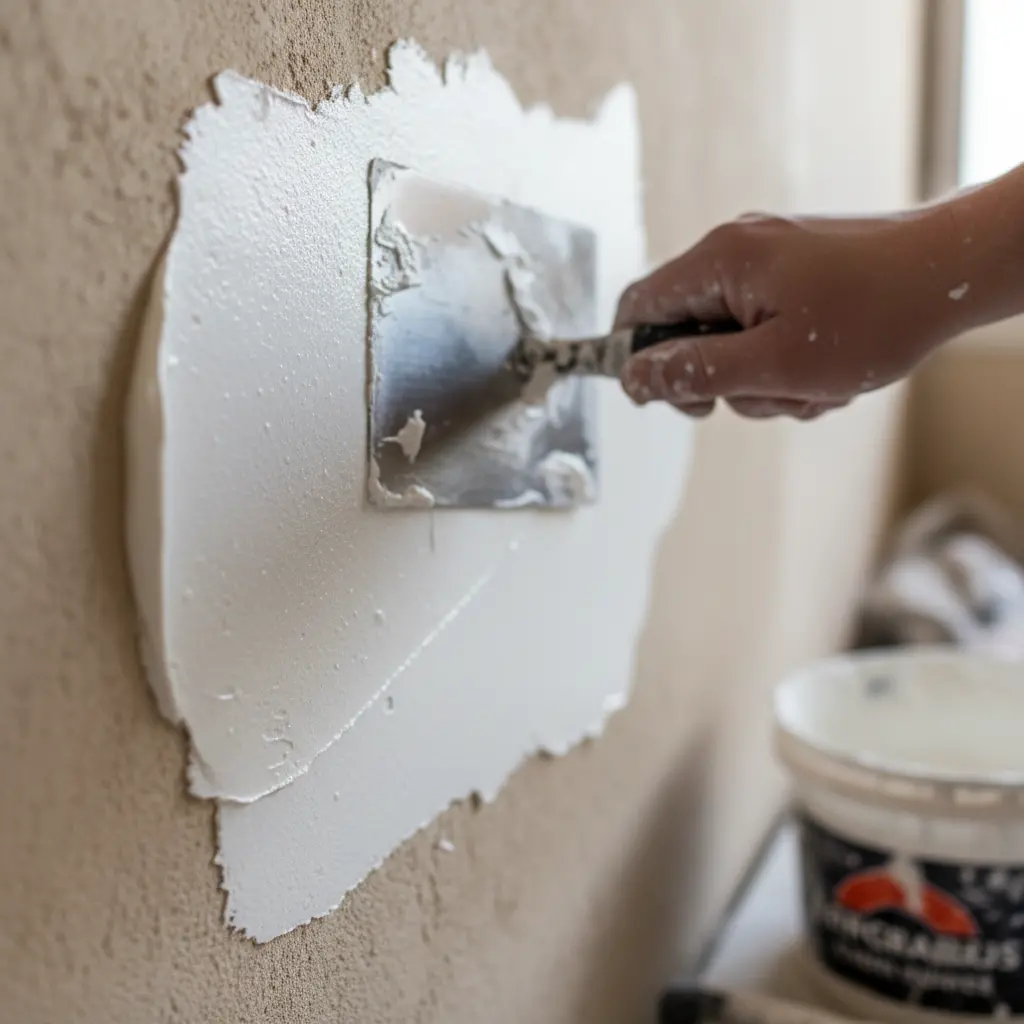
plaster: plast- = to form, -er = agent. Origin: Latin → Old French → English. Imagine spreading a soft, moldable material on a wall like icing on a cake, creating a smooth finish.
Note 1: These definitions and etymologies are not standard dictionary definitions, but extended explanations provided to help with memorization and understanding of the actual application of words. Through this background information, we strive to make words more vivid and easier to understand, and help you remember their meanings in real life.
Note 2: LexiTalk designs the learning flow around the linguistics principle of “Comprehensible Input.” When learners encounter material that is slightly above their level but still understandable from context, the brain naturally absorbs the language. That’s why we keep every word inside authentic contexts, using examples and associations to help you understand it and use it flexibly.
Read the FAQ explanation of Comprehensible InputPlaster is a versatile term with both material and action senses. As a noun, it refers to a pasty mix of lime, gypsum, or cement that hardens into a smooth coating for walls, ceilings, or decorative surfaces, and it can also mean a medical bandage that protects a wound or provides support. As a verb, to plaster means to cover or coat a surface with plaster, plastering over imperfections and creating a level finish. In everyday use, you might hear, 'they plastered the walls with plaster' or 'she wore a plaster on her finger.' The word carries a practical, construction-oriented feel in buildings and a straightforward, care-related tone in medicine.
Plaster is taught as both a material and a process; learners often mix up plaster with concrete or cement and confuse plaster with bandages. It's common to think plaster is only a medical term; also British vs American usage differs for the bandage sense.
Download LexiTalk app for personalized learning experience
Download AppCookies
We use cookies for essential site functions, analytics, and ads. You can accept, reject, or manage preferences. Privacy Policy