playing - Master This Word
Master this word with our 5-step learning method – Learn English in English
Train English Through Brain Routes, Not Translation.
This page helps you stop memorizing isolated translations and start understanding a word through its shared mental image, native-style thinking, and practical training steps.
Master this word with our 5-step learning method – Learn English in English
Example sentences are the start of understanding. Don't rush to memorize. First feel how the word works in a sentence.
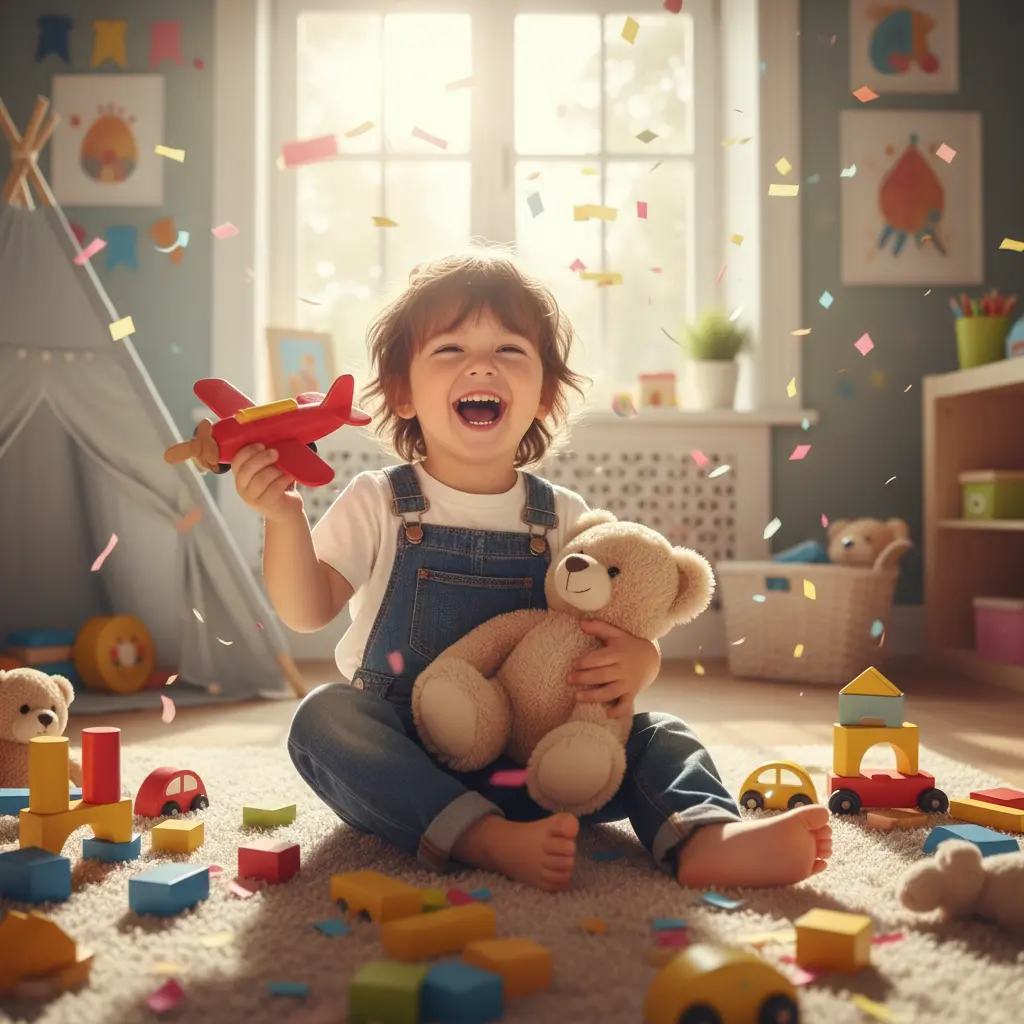
From Old English 'plegan' (to dance, rejoice) + -y (verb form). Originated from Germanic roots, with connections to Latin 'ludere' (to play). Imagine a child happily playing with toys, filled with joy and laughter.
Note 1: These definitions and etymologies are not standard dictionary definitions, but extended explanations provided to help with memorization and understanding of the actual application of words. Through this background information, we strive to make words more vivid and easier to understand, and help you remember their meanings in real life.
Note 2: LexiTalk designs the learning flow around the linguistics principle of “Comprehensible Input.” When learners encounter material that is slightly above their level but still understandable from context, the brain naturally absorbs the language. That’s why we keep every word inside authentic contexts, using examples and associations to help you understand it and use it flexibly.
Read the FAQ explanation of Comprehensible InputHands hover over the piano keys, I push a note and hear a small shadow leap into the air. I shift my wrist, hold the beat, and keep the tempo steady as another note slips in. The room seems to tilt with the rhythm, and I feel the effort of guiding the moment, a quick change between silence and color. In real life, this turn of control moves me from inside the room to a space where I can play a tune, a part, or a scene, and the meaning grows as I keep the energy going.
Play is a versatile word in English that covers several core ideas: leisure, performance, and competition. As a verb, it can mean engaging in an activity for enjoyment (play tennis, play games), to perform music or a role (play the piano, play a character in a film), or to participate in light, improvised activity (play around). As a noun, play can denote a dramatic work (a Shakespeare play) or a game (a board game, a video game). The same form also occurs in phrases like play with others, play for time, or play against someone, where meaning shifts with the context. The past tense is regular: played.
Play in English centers on leisure, performance, and games; learners underestimate its broad range and collocations. Focus on verb+noun and verb+preposition patterns.
What is the meaning of the word 'playing'?
Which of the following sentences uses 'playing' correctly?
Which word is an antonym of 'playing'?
In what real-life context would you see 'playing'?
Can you think of a situation where 'playing' is essential for children's development?
Download LexiTalk app for personalized learning experience
Download AppCookies
We use cookies for essential site functions, analytics, and ads. You can accept, reject, or manage preferences. Privacy Policy