
poison - Master This Word
Master this word with our 5-step learning method – Learn English in English
Train English Through Brain Routes, Not Translation.
This page helps you stop memorizing isolated translations and start understanding a word through its shared mental image, native-style thinking, and practical training steps.
Master this word with our 5-step learning method – Learn English in English
Example sentences are the start of understanding. Don't rush to memorize. First feel how the word works in a sentence.
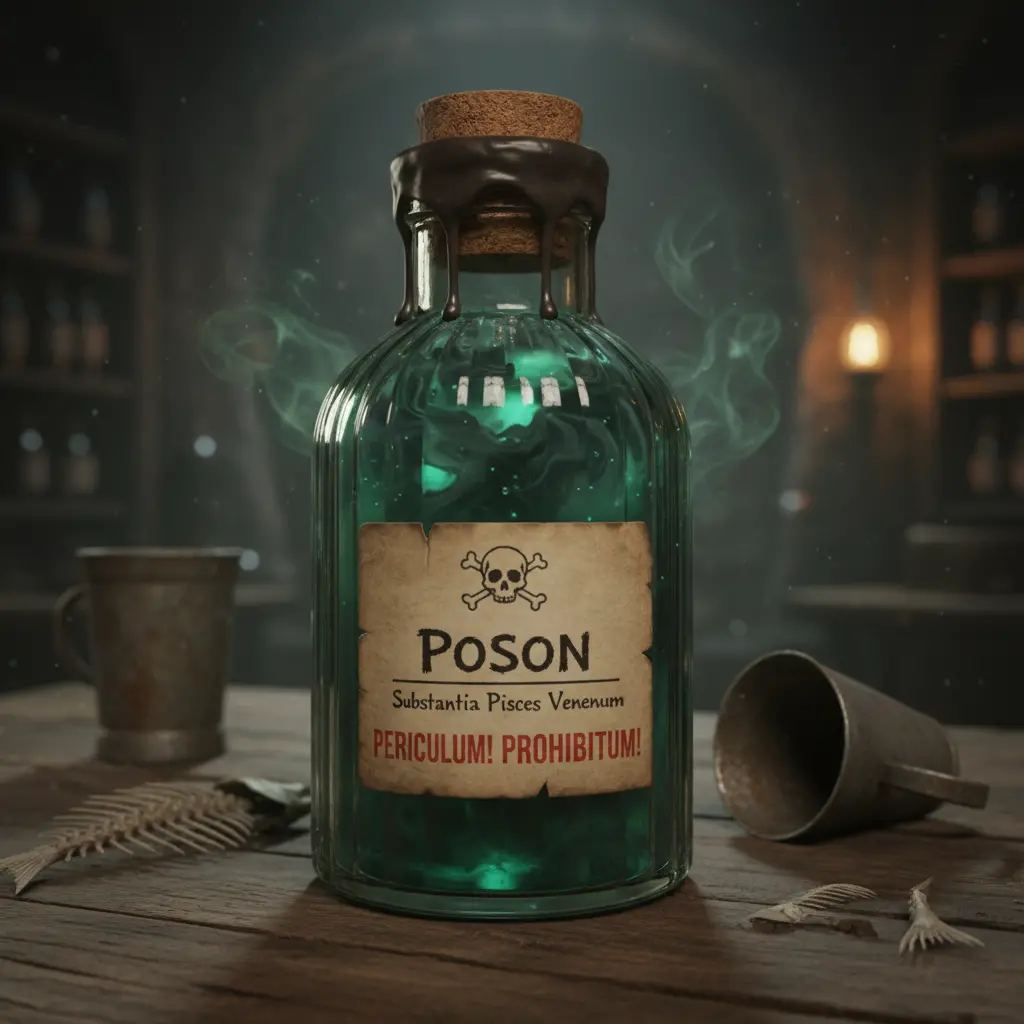
poison = poson (fish poison) + -in (substance). Origin: Latin → Old French → English. Imagine a vial filled with a dangerous liquid, warning people to stay away.
Note 1: These definitions and etymologies are not standard dictionary definitions, but extended explanations provided to help with memorization and understanding of the actual application of words. Through this background information, we strive to make words more vivid and easier to understand, and help you remember their meanings in real life.
Note 2: LexiTalk designs the learning flow around the linguistics principle of “Comprehensible Input.” When learners encounter material that is slightly above their level but still understandable from context, the brain naturally absorbs the language. That’s why we keep every word inside authentic contexts, using examples and associations to help you understand it and use it flexibly.
Read the FAQ explanation of Comprehensible InputI reach for a bottle, twist the cap, and keep my hand steady. As I tilt it a touch, a sharp nerve prick passes my nose, I pull back and adjust my stance. The room grows heavier and I weigh the risk, setting the bottle aside with care. In that moment, the word poison drifts into my thoughts, and I choose caution, letting safety hold fast.
Poison is a substance that can cause harm or death when ingested, inhaled, or absorbed through the skin. In everyday English, poison as a noun refers to any toxic material with a clear sense of danger, while as a verb it means to contaminate, injure, or cause harm, sometimes accidentally. The word's history traces back to older word forms in Latin and French, shaping the modern sense of danger and malice. People encounter poison in warnings, medical information, and forensic contexts, where precise dosage and symptoms matter. Metaphorically, someone might say a rumor or policy poisons a situation, signaling corruption or damaging influence.
In English, poison centers on a concrete toxic substance or a deliberate act, with a strong safety/legal context; learners often mix up toxin-related words and overextend metaphors.
What does the word 'poison' mean?
Which of the following sentences uses 'poison' correctly?
Which is a synonym for 'poison'?
Which is an antonym for 'poison'?
In what situation would someone need to identify a poisonous substance?
Download LexiTalk app for personalized learning experience
Download AppCookies
We use cookies for essential site functions, analytics, and ads. You can accept, reject, or manage preferences. Privacy Policy