
psyche - Master This Word
Master this word with our 5-step learning method – Learn English in English
Train English Through Brain Routes, Not Translation.
This page helps you stop memorizing isolated translations and start understanding a word through its shared mental image, native-style thinking, and practical training steps.
Master this word with our 5-step learning method – Learn English in English
Example sentences are the start of understanding. Don't rush to memorize. First feel how the word works in a sentence.
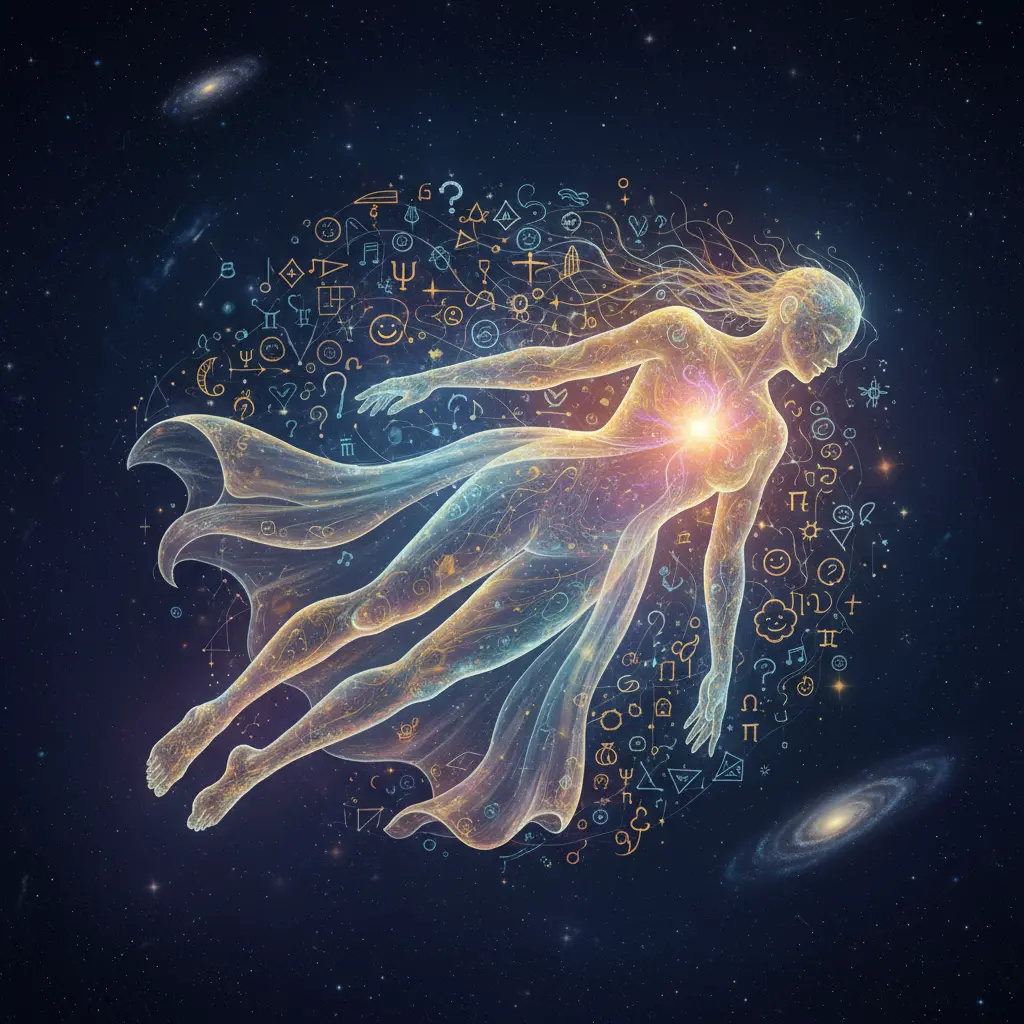
psyche = soul; Greek 'psukhē' → Latin 'psyche' → English. Imagine a glowing figure representing a soul, floating gracefully, embodying the essence of life behind our thoughts and feelings.
Note 1: These definitions and etymologies are not standard dictionary definitions, but extended explanations provided to help with memorization and understanding of the actual application of words. Through this background information, we strive to make words more vivid and easier to understand, and help you remember their meanings in real life.
Note 2: LexiTalk designs the learning flow around the linguistics principle of “Comprehensible Input.” When learners encounter material that is slightly above their level but still understandable from context, the brain naturally absorbs the language. That’s why we keep every word inside authentic contexts, using examples and associations to help you understand it and use it flexibly.
Read the FAQ explanation of Comprehensible Inputpsyche is a noun borrowed from Greek psukhē, meaning soul. In English it commonly refers to the human mind and inner life, including thoughts, feelings, and motivations, as well as a person’s character or temperament. It appears in academic terms such as psychology, psychiatry, and psychotherapy, and in everyday phrases like 'the psyche' or 'the inner psyche' to discuss hidden or fundamental aspects of a person. In Greek mythology, Psyche is the goddess associated with the soul, whose story with Eros explores transformation and the depths of the human spirit. Learners should note that psyche is rarely pluralized; we usually say 'the psyche' rather than 'psyches' except in highly specialized or historical contexts.
English often treats the psyche as a broad, almost sacred inner life. Learners may default to mind or soul and miss the nuance of inner life, or try to pluralize it as psyches. Use the definite article with 'the psyche' and reserve 'psychology' for the science.
What is the meaning of the word 'psyche'?
In which of the following sentences is 'psyche' used correctly?
Which word is a synonym for 'psyche'?
Which word is an opposite for 'psyche'?
How does the concept of 'psyche' apply in therapy sessions?
Download LexiTalk app for personalized learning experience
Download AppCookies
We use cookies for essential site functions, analytics, and ads. You can accept, reject, or manage preferences. Privacy Policy