psychological - Master This Word
Master this word with our 5-step learning method – Learn English in English
Train English Through Brain Routes, Not Translation.
This page helps you stop memorizing isolated translations and start understanding a word through its shared mental image, native-style thinking, and practical training steps.
Master this word with our 5-step learning method – Learn English in English
Example sentences are the start of understanding. Don't rush to memorize. First feel how the word works in a sentence.
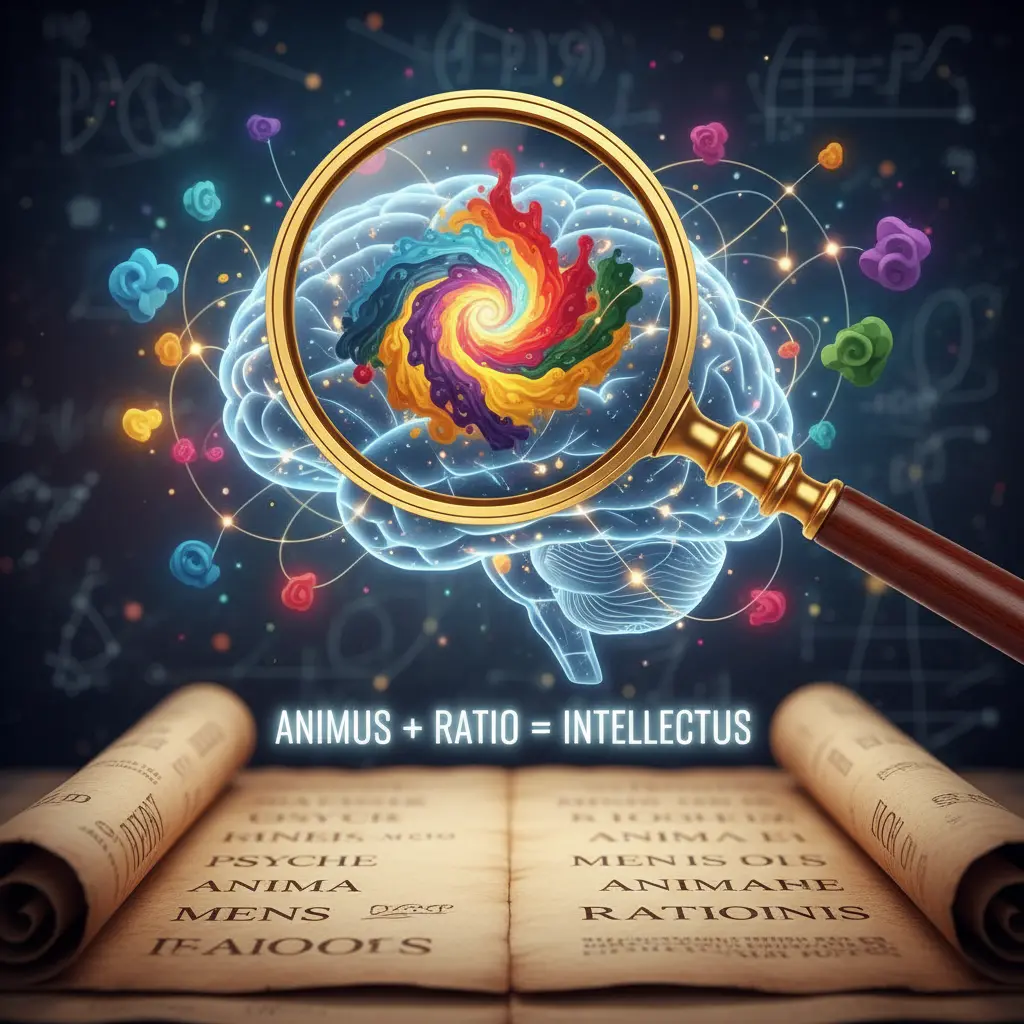
psyche = mind/soul + logical = relating to study of. Origin: Greek → Latin → English. Imagine a brain with a magnifying glass studying emotions, linking mind and logic.
Note 1: These definitions and etymologies are not standard dictionary definitions, but extended explanations provided to help with memorization and understanding of the actual application of words. Through this background information, we strive to make words more vivid and easier to understand, and help you remember their meanings in real life.
Note 2: LexiTalk designs the learning flow around the linguistics principle of “Comprehensible Input.” When learners encounter material that is slightly above their level but still understandable from context, the brain naturally absorbs the language. That’s why we keep every word inside authentic contexts, using examples and associations to help you understand it and use it flexibly.
Read the FAQ explanation of Comprehensible InputI rise from my chair, square my shoulders, and set my gaze forward. A new thought moves through me, and I shift my weight to test it. The moment feels psychological, a quiet tug of curiosity and self-control as I adjust my voice and pace. I keep the idea in view, hold back a rushed answer, and place my next sentence with care, letting its meaning emerge through action.
Psychological is an adjective that relates to the mind, mental processes, and behavior. It covers how people think, feel, perceive, remember, solve problems, and respond to others and to the world around them. In everyday usage, it often modifies nouns in contexts like psychological well being, psychological testing, psychological theories, or psychological research. The term distinguishes internal mental activity from physical or physiological conditions, so it pairs with concepts such as emotions, motivation, memory, cognition, and personality rather than with body parts. Learners should recognize common collocations, note that psychological is broader than mental in some contexts, and beware of false friends with psycho or physical terms.
Native English speakers often treat psychological as a broad mind centered term, so learners should watch for context where it means internal mental processes rather than emotions alone.
What does the word 'psychological' mean?
In which of the following sentences is 'psychological' used correctly?
Which of the following words is similar to 'psychological'?
Which of the following words is the opposite of 'psychological'?
How would you use 'psychological' in a real-life context?
English Learning Listening Content
Listen NowDownload LexiTalk app for personalized learning experience
Download AppCookies
We use cookies for essential site functions, analytics, and ads. You can accept, reject, or manage preferences. Privacy Policy