
puppies - Master This Word
Master this word with our 5-step learning method – Learn English in English
Train English Through Brain Routes, Not Translation.
This page helps you stop memorizing isolated translations and start understanding a word through its shared mental image, native-style thinking, and practical training steps.
Master this word with our 5-step learning method – Learn English in English
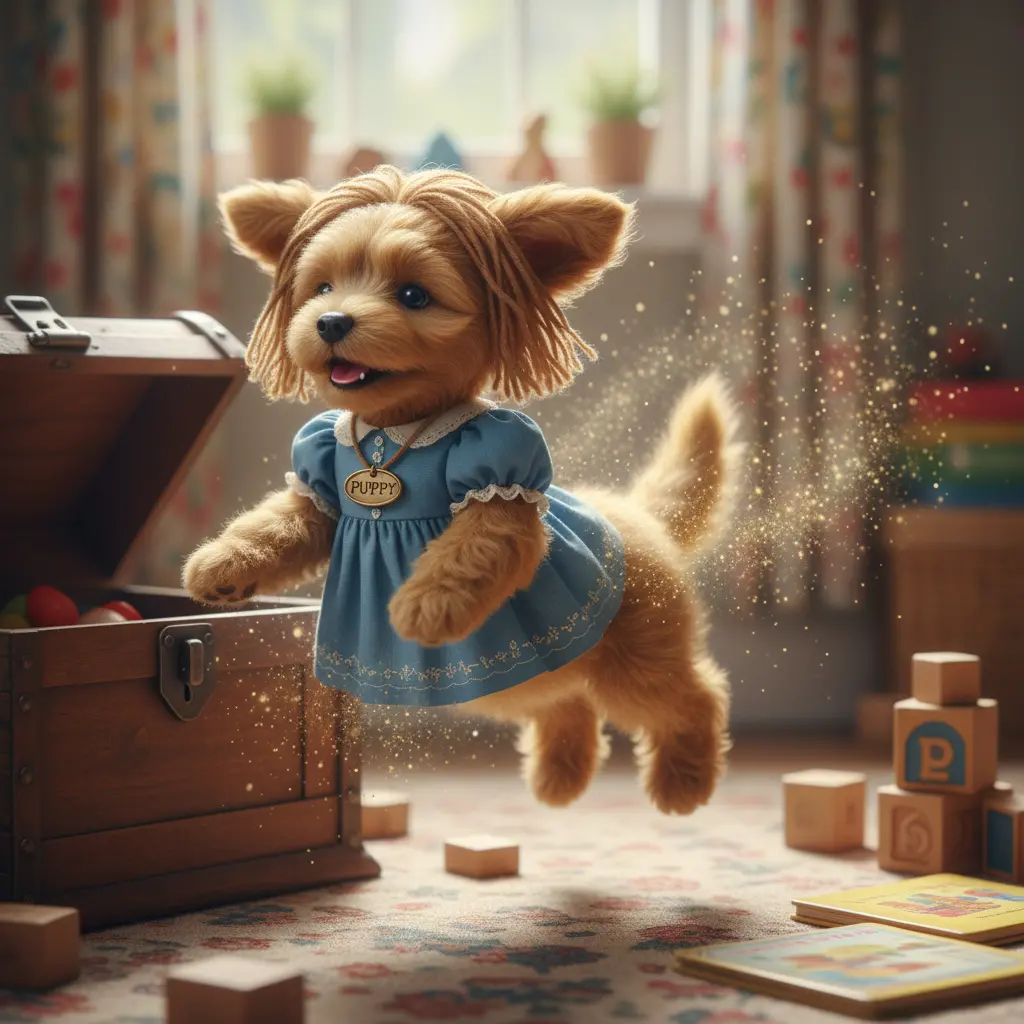
Example sentences are the start of understanding. Don't rush to memorize. First feel how the word works in a sentence.
(a) Root: pup + suffix -py forming a diminutive/affectionate term for a young animal. (b) Origin: from Middle English puppe, from Old French poupée meaning doll. (c) Memory: imagine a toy doll named Puppy that springs to life as a wagging little dog.
Note 1: These definitions and etymologies are not standard dictionary definitions, but extended explanations provided to help with memorization and understanding of the actual application of words. Through this background information, we strive to make words more vivid and easier to understand, and help you remember their meanings in real life.
Note 2: LexiTalk designs the learning flow around the linguistics principle of “Comprehensible Input.” When learners encounter material that is slightly above their level but still understandable from context, the brain naturally absorbs the language. That’s why we keep every word inside authentic contexts, using examples and associations to help you understand it and use it flexibly.
Read the FAQ explanation of Comprehensible Inputpuppy is a noun that refers to a young dog, usually under one year old, and it also serves affectionately for small or endearing things. In everyday speech you can say, 'The puppy is playing in the yard' or 'I adopted a puppy last weekend.' The phrase puppy love describes a naive, short-lived romance from adolescence. Although it can describe other young animals in some contexts, it most often means a dog. The word carries a warm, friendly tone that makes it common in talking about pets, children’s stories, and social media.
For English speakers, puppy clearly marks a young dog with a warm, endearing tone. Learners often mix it with pup or use it for non-dog contexts, or miss the idiomatic 'puppy love.'
Download LexiTalk app for personalized learning experience
Download AppCookies
We use cookies for essential site functions, analytics, and ads. You can accept, reject, or manage preferences. Privacy Policy