rains - Master This Word
Master this word with our 5-step learning method – Learn English in English
Train English Through Brain Routes, Not Translation.
This page helps you stop memorizing isolated translations and start understanding a word through its shared mental image, native-style thinking, and practical training steps.
Master this word with our 5-step learning method – Learn English in English
Example sentences are the start of understanding. Don't rush to memorize. First feel how the word works in a sentence.
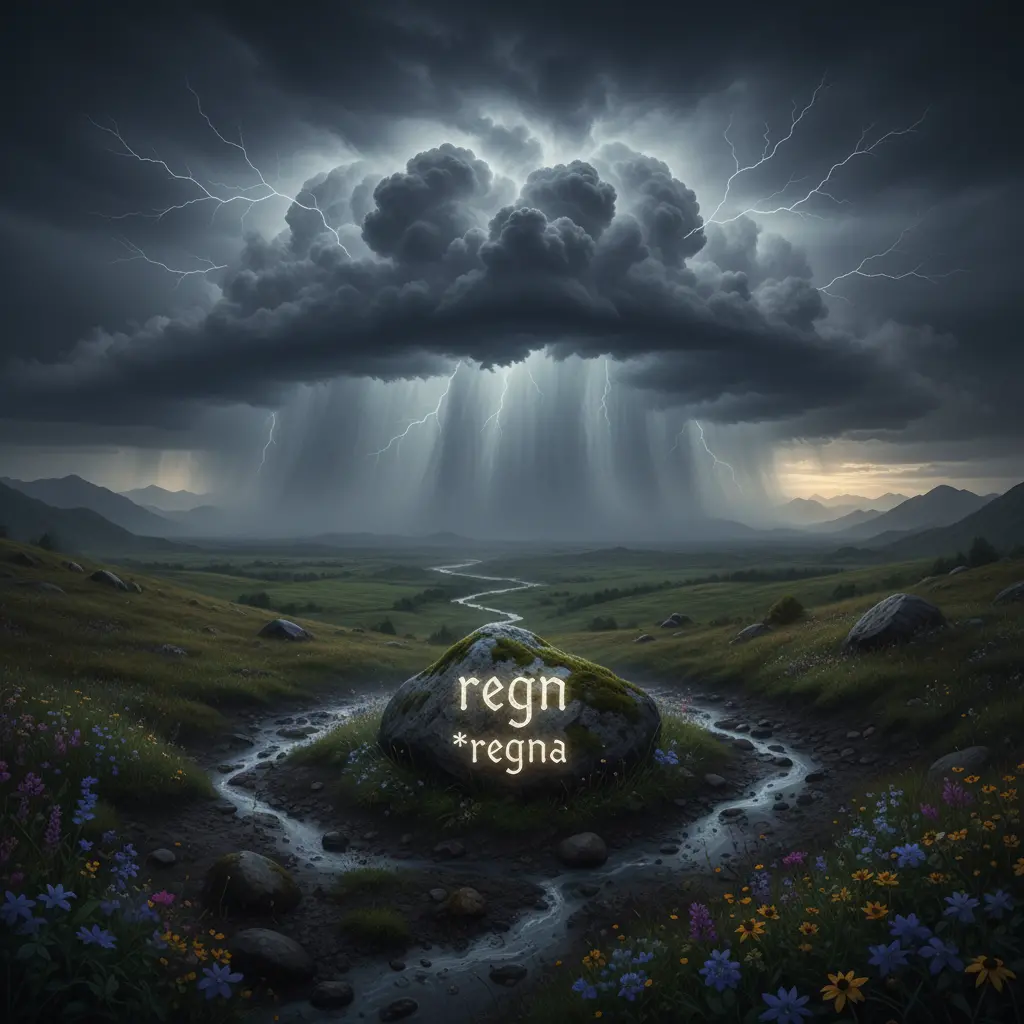
Old English 'regn' (rain) is rooted in Proto-Germanic '*regna'. The vivid image is of clouds gathering and releasing water, nourishing the earth.
Note 1: These definitions and etymologies are not standard dictionary definitions, but extended explanations provided to help with memorization and understanding of the actual application of words. Through this background information, we strive to make words more vivid and easier to understand, and help you remember their meanings in real life.
Note 2: LexiTalk designs the learning flow around the linguistics principle of “Comprehensible Input.” When learners encounter material that is slightly above their level but still understandable from context, the brain naturally absorbs the language. That’s why we keep every word inside authentic contexts, using examples and associations to help you understand it and use it flexibly.
Read the FAQ explanation of Comprehensible InputI reach out, move my hand to open the window, and the rain begins tapping the glass. The air cools and the droplets streak downward as I adjust my stance, feeling the room shift with the weather outside. Each drop presses a little louder, and I keep listening, letting the rain dictate my pace and mood. When I close the window, the quiet returns, and the scene stays with me as a lived moment of rain.
Rain is a familiar weather phenomenon in English-speaking regions and functions both as a noun (the rain fell all night) and as a verb (it can rain). We describe rain with adjectives such as heavy, light, steady, or pouring, and discuss amount with phrases like a light drizzle or a heavy downpour. English also offers idioms involving rain, for example rain check, rain on your parade, or when it rains, it pours. Learners often confuse rain with snow, or try to say a rain or the rains, which are not idiomatic in many contexts. The ongoing weather form is it is raining, while rain as a concept remains uncountable.
Explain to an English speaker that rain is a weather phenomenon usable as both noun and verb; emphasize uncountable nature and common idioms.
Download LexiTalk app for personalized learning experience
Download AppCookies
We use cookies for essential site functions, analytics, and ads. You can accept, reject, or manage preferences. Privacy Policy