relaxation - Master This Word
Master this word with our 5-step learning method – Learn English in English
Train English Through Brain Routes, Not Translation.
This page helps you stop memorizing isolated translations and start understanding a word through its shared mental image, native-style thinking, and practical training steps.
Master this word with our 5-step learning method – Learn English in English
Example sentences are the start of understanding. Don't rush to memorize. First feel how the word works in a sentence.
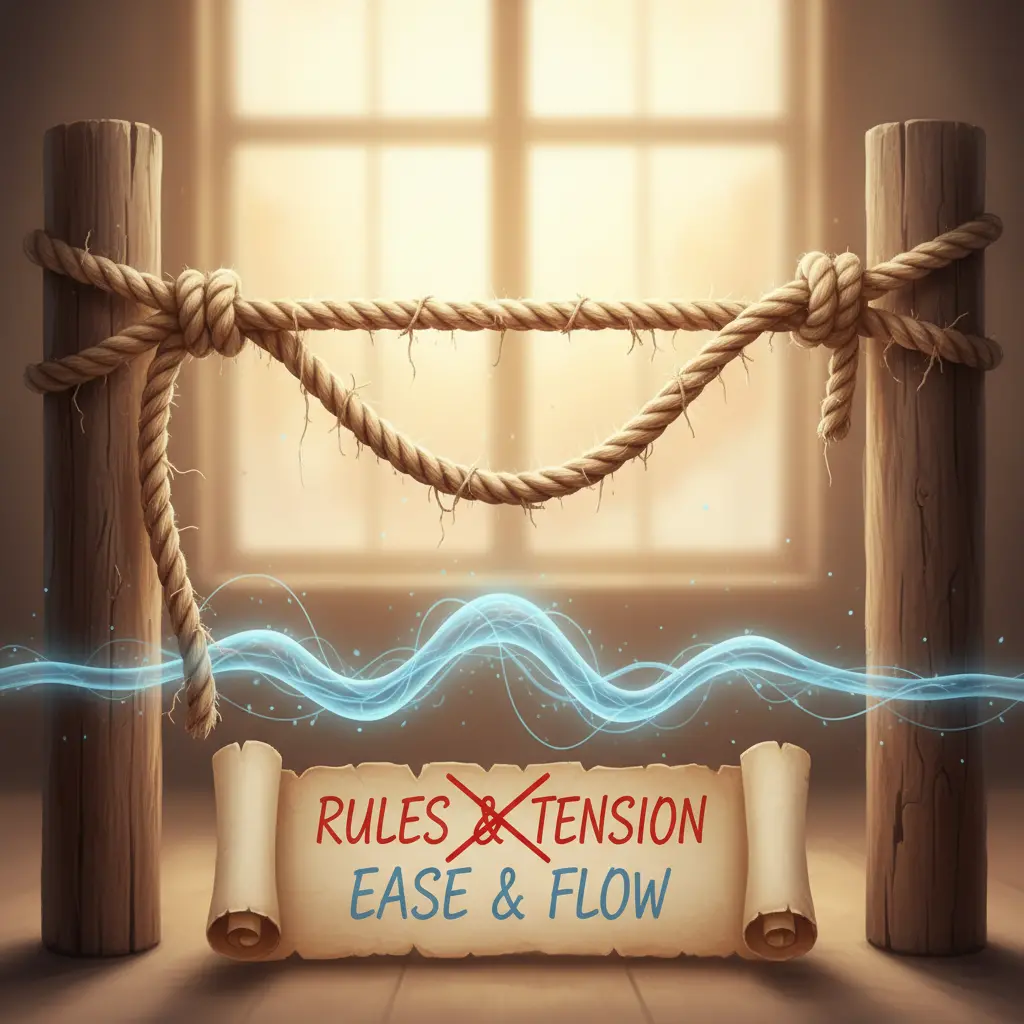
Root decomposition: formed from the verb relax by adding the suffix -ation, with the root lax. Historical origin: relaxare in Latin yielded relaxatio, which entered English via Old French relaxation. Memory image: a taut rope slowly loosening to release tension, echoing how nerves unwind and how rules can be loosened.
Note 1: These definitions and etymologies are not standard dictionary definitions, but extended explanations provided to help with memorization and understanding of the actual application of words. Through this background information, we strive to make words more vivid and easier to understand, and help you remember their meanings in real life.
Note 2: LexiTalk designs the learning flow around the linguistics principle of “Comprehensible Input.” When learners encounter material that is slightly above their level but still understandable from context, the brain naturally absorbs the language. That’s why we keep every word inside authentic contexts, using examples and associations to help you understand it and use it flexibly.
Read the FAQ explanation of Comprehensible InputRelaxation is a noun that names both a state of relief and the act of unwinding. It covers physical calm, mental ease, and leisure time that allows recovery from stress. The term can describe a mood, a planned activity, or a policy change that loosens rules. Navigating its usage means recognizing when we speak about feeling relaxed, enjoying quiet hobbies, or permitting a rule to loosen. English speakers often pair relaxation with verbs like seek, find, enjoy, or create. Learners should distinguish between relaxation as a passive experience and relaxation as an intentional activity.
In English, relaxation spans both a state of ease and the act of unwinding. Learners often overemphasize rest and mistake relaxation for laziness, or mix it up with leisure and calm. Emphasize collocations like seek relaxation or provide relaxation to show subtle differences between state and activity.
What is the meaning of the word 'relaxation'?
In which sentence is the word 'relaxation' used correctly?
Which word is a synonym of 'relaxation'?
Which word is an antonym of 'relaxation'?
How can 'relaxation' be applied in a real-life context?
Download LexiTalk app for personalized learning experience
Download AppCookies
We use cookies for essential site functions, analytics, and ads. You can accept, reject, or manage preferences. Privacy Policy