reserve - Master This Word
Master this word with our 5-step learning method – Learn English in English
Train English Through Brain Routes, Not Translation.
This page helps you stop memorizing isolated translations and start understanding a word through its shared mental image, native-style thinking, and practical training steps.
Master this word with our 5-step learning method – Learn English in English
Example sentences are the start of understanding. Don't rush to memorize. First feel how the word works in a sentence.
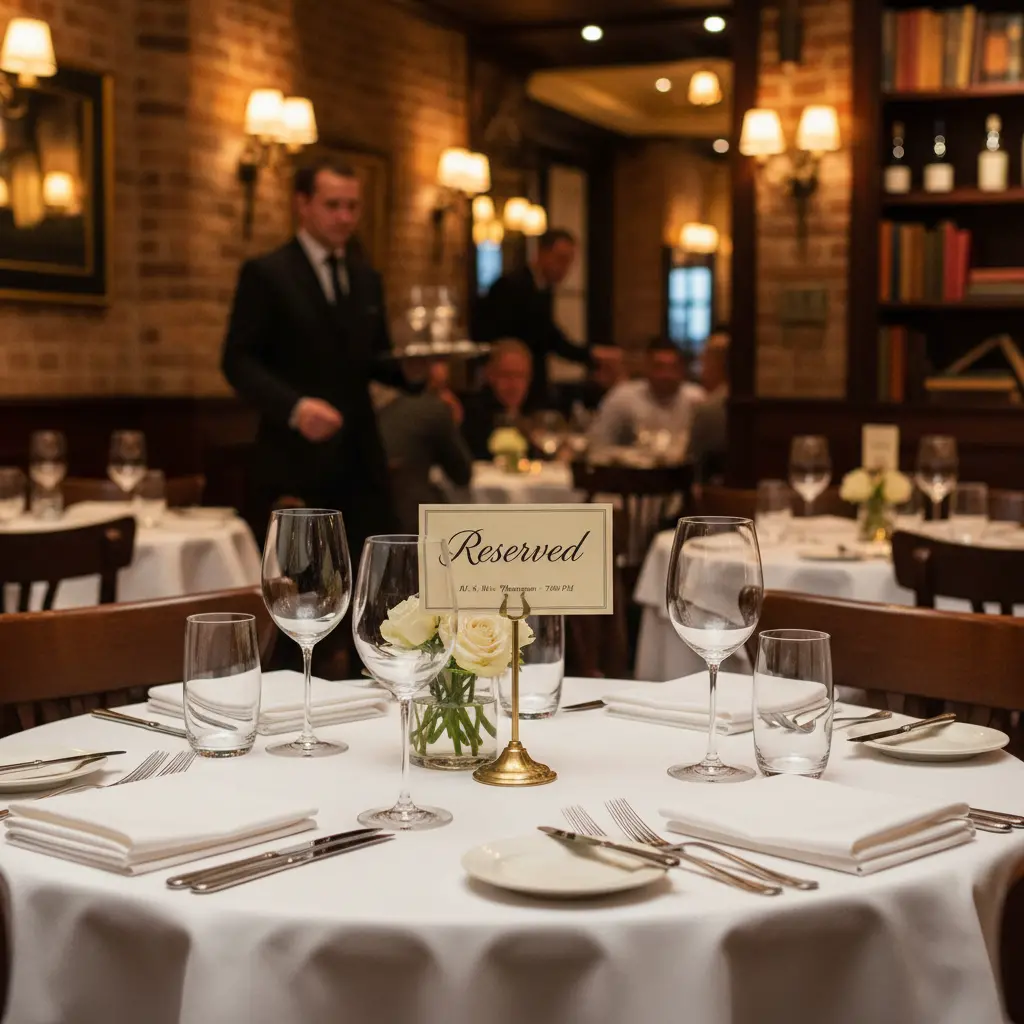
Root: 're-' (again) + 'serve' (to keep). Historical origin: Latin 'reservare' → Old French 'reserver' → English. Memory image: Imagine a reserved table at a busy restaurant, set aside for a special occasion, symbolizing how one keeps feelings and emotions for the right moment.
Note 1: These definitions and etymologies are not standard dictionary definitions, but extended explanations provided to help with memorization and understanding of the actual application of words. Through this background information, we strive to make words more vivid and easier to understand, and help you remember their meanings in real life.
Note 2: LexiTalk designs the learning flow around the linguistics principle of “Comprehensible Input.” When learners encounter material that is slightly above their level but still understandable from context, the brain naturally absorbs the language. That’s why we keep every word inside authentic contexts, using examples and associations to help you understand it and use it flexibly.
Read the FAQ explanation of Comprehensible InputI move a quiet plan to the back shelf of my mind, pushing aside the louder tasks. My face stays a straight line as I adjust my posture and set the idea aside for later. That calm hold on the moment makes room for control, a little act of self-restraint. When the time arrives, I pull it out and use it, keeping the option ready for a future turn.
Reserve is a versatile word with three core senses. As a verb, it means to set something aside for a specific use or time, or to delay making a judgment or decision. As an adjective, it describes someone who is restrained, quiet, and not openly displaying feelings. You can reserve a table, reserve resources, or reserve judgment until you have more information. The idea of keeping back for later also applies to emotions and opinions. Common collocations include reserved seating, reserve fund, and to reserve one's stance in a debate.
English tends to bundle reserve's furniture of setting aside, delaying judgment, and quiet restraint into a single flexible word; learners often blend it with preserve/conserve or misread reserved as morose.
What is the meaning of the word 'reserve'?
In which sentence is 'reserve' used correctly?
Which word is a synonym of 'reserve'?
In which situation would you need to use 'reserve'?
How would you use 'reserve' in a real-life context?
Download LexiTalk app for personalized learning experience
Download AppCookies
We use cookies for essential site functions, analytics, and ads. You can accept, reject, or manage preferences. Privacy Policy