
rhubarb - Master This Word
Master this word with our 5-step learning method – Learn English in English
Train English Through Brain Routes, Not Translation.
This page helps you stop memorizing isolated translations and start understanding a word through its shared mental image, native-style thinking, and practical training steps.
Master this word with our 5-step learning method – Learn English in English
Example sentences are the start of understanding. Don't rush to memorize. First feel how the word works in a sentence.
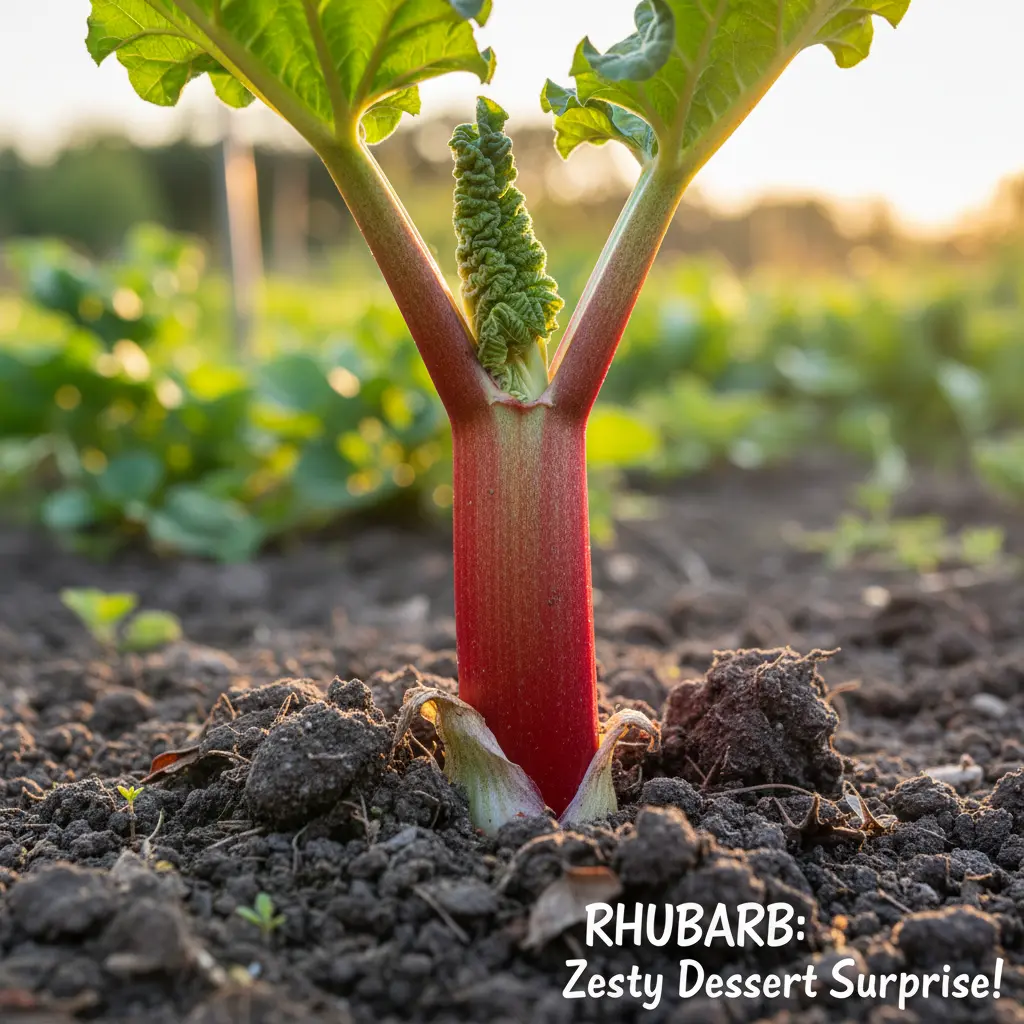
From Greek 'rhubarb' (rha), from Latin 'rhabarbarum', where 'rha' means 'sour', indicating its tart flavor. Imagine a bright red stalk bursting through soil, promising a zesty dessert surprise.
Note 1: These definitions and etymologies are not standard dictionary definitions, but extended explanations provided to help with memorization and understanding of the actual application of words. Through this background information, we strive to make words more vivid and easier to understand, and help you remember their meanings in real life.
Note 2: LexiTalk designs the learning flow around the linguistics principle of “Comprehensible Input.” When learners encounter material that is slightly above their level but still understandable from context, the brain naturally absorbs the language. That’s why we keep every word inside authentic contexts, using examples and associations to help you understand it and use it flexibly.
Read the FAQ explanation of Comprehensible InputRhubarb is a striking plant known for its thick, scarlet or pale-green stalks and tart flavor. In the kitchen, the stalks are the edible part and are most often cooked into desserts such as pies and crumbles, where sugar tames the sour bite. In gardens, rhubarb is a versatile perennial that thrives in cool climates. In figurative use, rhubarb can also appear in phrases about quarrels or disputes, especially in older or playful English, where 'rhubarb' stands in for noisy background chatter or a heated argument. The etymology traces back to Greek and Latin roots meaning sour, aligning with its characteristic taste, a detail learners often remember with vivid imagery.
English often treats rhubarb as both a flavoring and a plant with cultural associations to desserts and, in older texts, to quarrels; learners should note its leaves are toxic and that its tartness is a key memory cue.
What does the word 'rhubarb' mean?
Which sentence uses 'rhubarb' correctly?
Which word is most similar to 'rhubarb'?
What is the opposite of 'rhubarb'?
Can you think of a real-life scenario of using 'rhubarb'?
Download LexiTalk app for personalized learning experience
Download AppCookies
We use cookies for essential site functions, analytics, and ads. You can accept, reject, or manage preferences. Privacy Policy