
robots - Master This Word
Master this word with our 5-step learning method – Learn English in English
Train English Through Brain Routes, Not Translation.
This page helps you stop memorizing isolated translations and start understanding a word through its shared mental image, native-style thinking, and practical training steps.
Master this word with our 5-step learning method – Learn English in English
Example sentences are the start of understanding. Don't rush to memorize. First feel how the word works in a sentence.
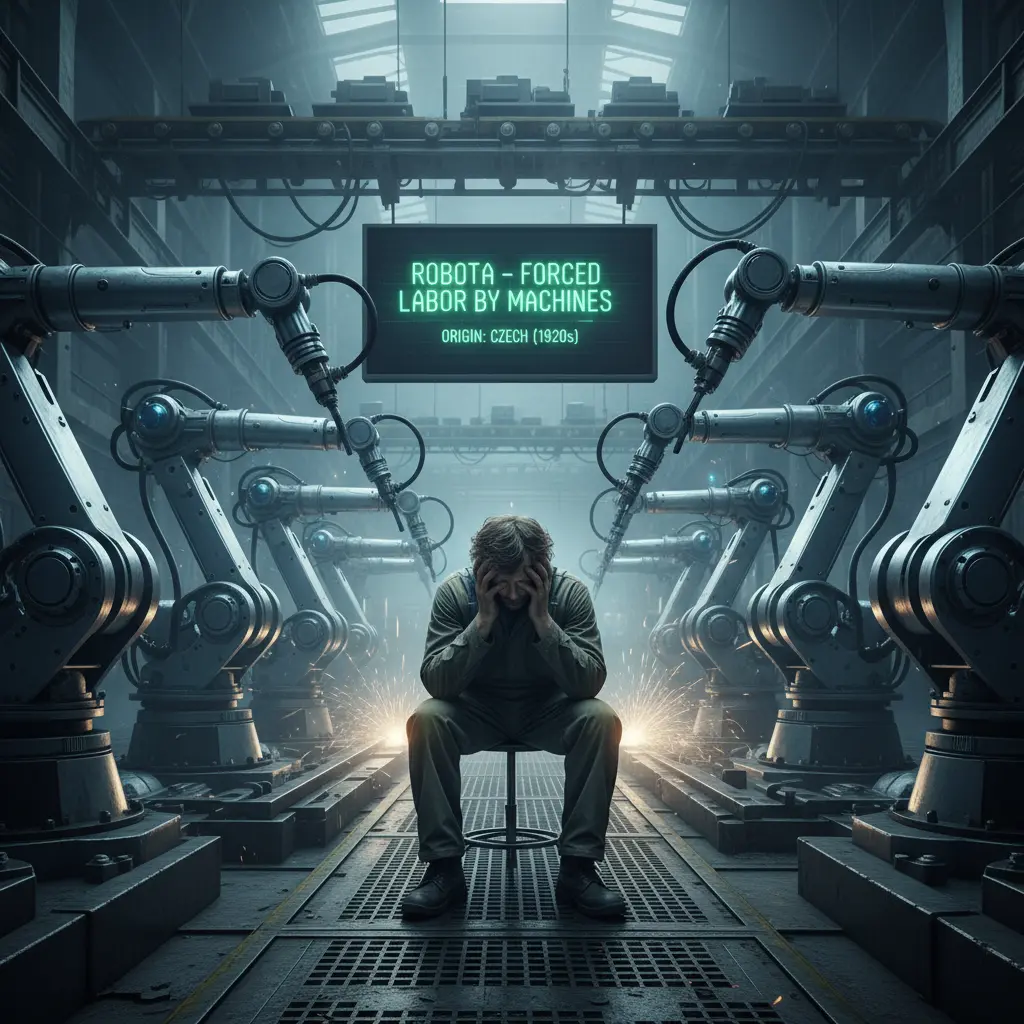
The root 'robota' means 'forced labor' in Czech, from 'rob' meaning 'to work'. It originated from Czech → adapted into English in the early 20th century. Imagine a weary worker surrounded by machines, illustrating the idea of labor being done by robots instead.
Note 1: These definitions and etymologies are not standard dictionary definitions, but extended explanations provided to help with memorization and understanding of the actual application of words. Through this background information, we strive to make words more vivid and easier to understand, and help you remember their meanings in real life.
Note 2: LexiTalk designs the learning flow around the linguistics principle of “Comprehensible Input.” When learners encounter material that is slightly above their level but still understandable from context, the brain naturally absorbs the language. That’s why we keep every word inside authentic contexts, using examples and associations to help you understand it and use it flexibly.
Read the FAQ explanation of Comprehensible InputI reach out, place my hand on the panel, and push. A small arm inside the housing begins move, first a tentative tremor, then a steady sweep. I feel the gears hum under my fingers, the shift from stillness to action, and I adjust my grip to keep control. Watching the motion, I realize how I can set a routine, letting the robot partner with me on the next task.
Robots are machines designed to perform tasks automatically, ranging from simple repetitive motions to complex operations that imitate human actions. The word spans factory automation, service robots, and research systems, and its meaning often depends on context: a robot can be a programmable device, a software-controlled machine, or a fully autonomous system. The term derives from the idea of labor done by machines as a substitute for human work, yet today many people also associate robots with friendly assistance, advanced technology, and debates about employment, safety, and ethics.
Explain to an English speaker (meta, keep short)
Download LexiTalk app for personalized learning experience
Download AppCookies
We use cookies for essential site functions, analytics, and ads. You can accept, reject, or manage preferences. Privacy Policy