
satirizes - Master This Word
Master this word with our 5-step learning method – Learn English in English
Train English Through Brain Routes, Not Translation.
This page helps you stop memorizing isolated translations and start understanding a word through its shared mental image, native-style thinking, and practical training steps.
Master this word with our 5-step learning method – Learn English in English
Example sentences are the start of understanding. Don't rush to memorize. First feel how the word works in a sentence.
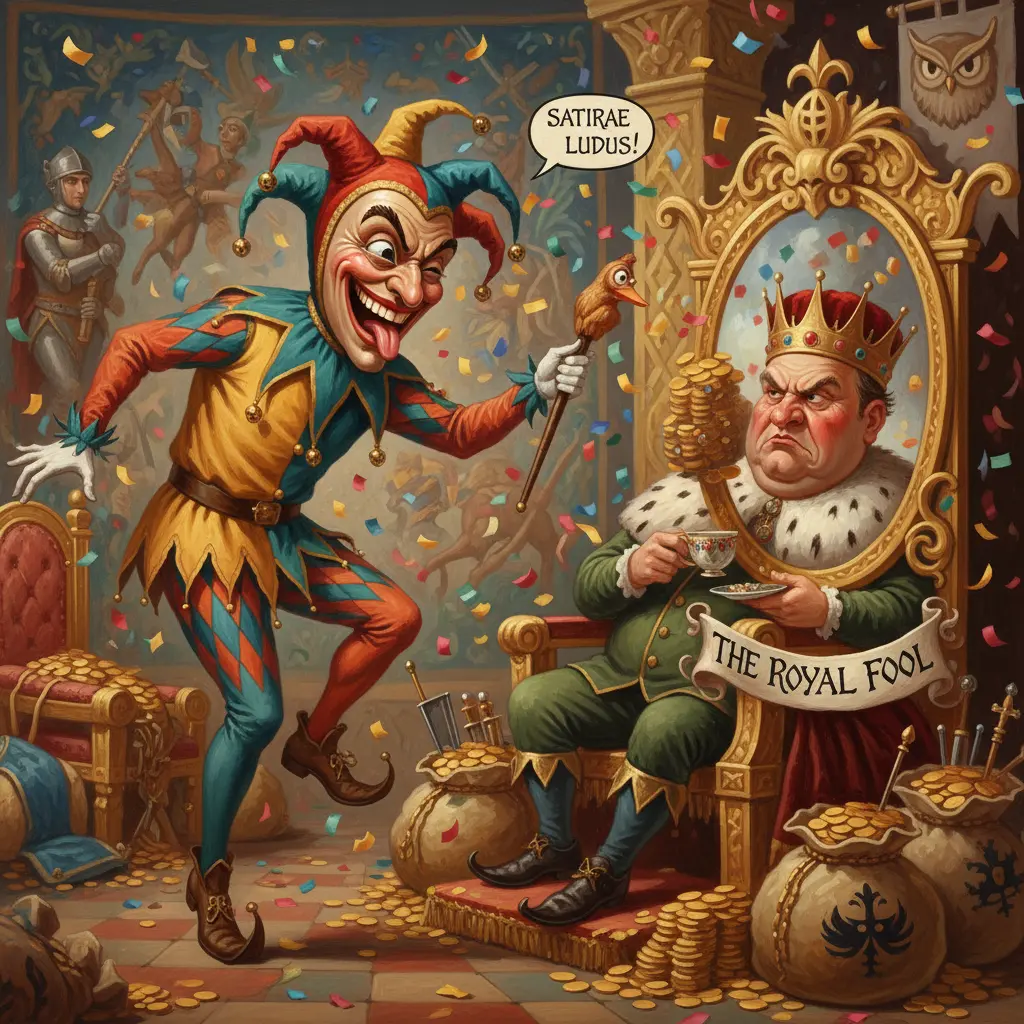
satirize = satire + -ize; Originated from French 'satiriser', which comes from Latin 'satura'; Imagine a witty jester using exaggerated expressions to poke fun at the foolishness of a king.
Note 1: These definitions and etymologies are not standard dictionary definitions, but extended explanations provided to help with memorization and understanding of the actual application of words. Through this background information, we strive to make words more vivid and easier to understand, and help you remember their meanings in real life.
Note 2: LexiTalk designs the learning flow around the linguistics principle of “Comprehensible Input.” When learners encounter material that is slightly above their level but still understandable from context, the brain naturally absorbs the language. That’s why we keep every word inside authentic contexts, using examples and associations to help you understand it and use it flexibly.
Read the FAQ explanation of Comprehensible InputSatirize means to criticize someone or something using humor, irony, or exaggeration, often to expose flaws or absurdities. In English, it implies a playful but pointed tone, not merely insulting. Writers and comedians use satirize to comment on politics, social norms, or public figures, typically by exaggerating traits, creating improbable situations, or imitating speech and behavior to reveal underlying faults. The aim is to spark reflection and discussion rather than to wound, so sensitivity to audience, context, and cultural boundaries matters. Learners should note that satire relies on shared assumptions; without context, jokes can be misunderstood or seen as hostile, especially when cultural references are unfamiliar.
For English learners, satire often hinges on irony and shared cultural references; jokes may rely on knowing histories, figures, or norms, so learners risk missing the point if they don’t catch the context.
Download LexiTalk app for personalized learning experience
Download AppCookies
We use cookies for essential site functions, analytics, and ads. You can accept, reject, or manage preferences. Privacy Policy