sharply - Master This Word
Master this word with our 5-step learning method – Learn English in English
Train English Through Brain Routes, Not Translation.
This page helps you stop memorizing isolated translations and start understanding a word through its shared mental image, native-style thinking, and practical training steps.
Master this word with our 5-step learning method – Learn English in English
Example sentences are the start of understanding. Don't rush to memorize. First feel how the word works in a sentence.
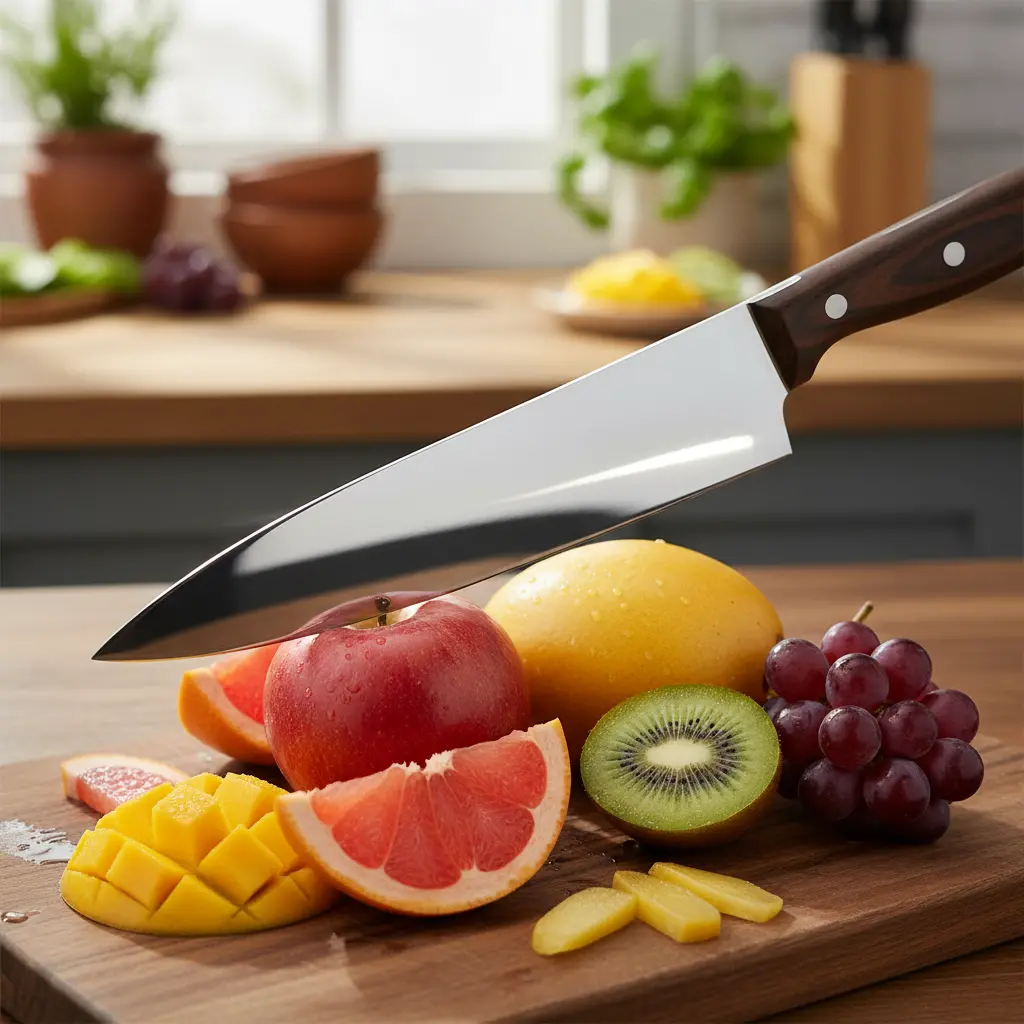
sharp = sh- (to cut) + -arp (related to edge). Historical origin: Old English (scearp) → Medieval Latin → English. Memory image: Imagine a sharp knife glinting in the light, ready to cut through fruits effortlessly.
Note 1: These definitions and etymologies are not standard dictionary definitions, but extended explanations provided to help with memorization and understanding of the actual application of words. Through this background information, we strive to make words more vivid and easier to understand, and help you remember their meanings in real life.
Note 2: LexiTalk designs the learning flow around the linguistics principle of “Comprehensible Input.” When learners encounter material that is slightly above their level but still understandable from context, the brain naturally absorbs the language. That’s why we keep every word inside authentic contexts, using examples and associations to help you understand it and use it flexibly.
Read the FAQ explanation of Comprehensible InputFirst I place my pen on the page and move it forward. I push a short line, then adjust my grip and keep the rhythm steady. The edge of the idea feels sharp in my mind, a quick turn that cuts through doubt. Sharp shows up when I think fast and shape a clear note from a rough thought.
Sharp has multiple core meanings: something with a keen edge that can cut or pierce; a mentally keen or perceptive quality; and quick-witted, smart, or incisive thinking. The word can describe objects, senses, or people, and it often implies precision, intensity, or immediacy. In everyday use you might talk about a sharp knife, a sharp sound, a sharp mind, or a sharp remark. It can also convey sharpness in taste, color, or weather, as in a sharp bite of citrus or a sharp wind. Learners should watch for collocations and context to avoid confusion with vaguely similar terms like clever, smart, or bright.
In English, sharp often marks a clear distinction between physical edge and mental acuity; learners need to tune into collocations and context to decide which sense is intended.
What is the meaning of 'sharply'?
In which sentence is 'sharply' used correctly?
Which word is an antonym of 'sharply'?
In what real-life context would you use 'sharply'?
Reflect on when you would use 'sharply' in a conversation.
Download LexiTalk app for personalized learning experience
Download AppCookies
We use cookies for essential site functions, analytics, and ads. You can accept, reject, or manage preferences. Privacy Policy