spaces - Master This Word
Master this word with our 5-step learning method – Learn English in English
Train English Through Brain Routes, Not Translation.
This page helps you stop memorizing isolated translations and start understanding a word through its shared mental image, native-style thinking, and practical training steps.
Master this word with our 5-step learning method – Learn English in English
Example sentences are the start of understanding. Don't rush to memorize. First feel how the word works in a sentence.
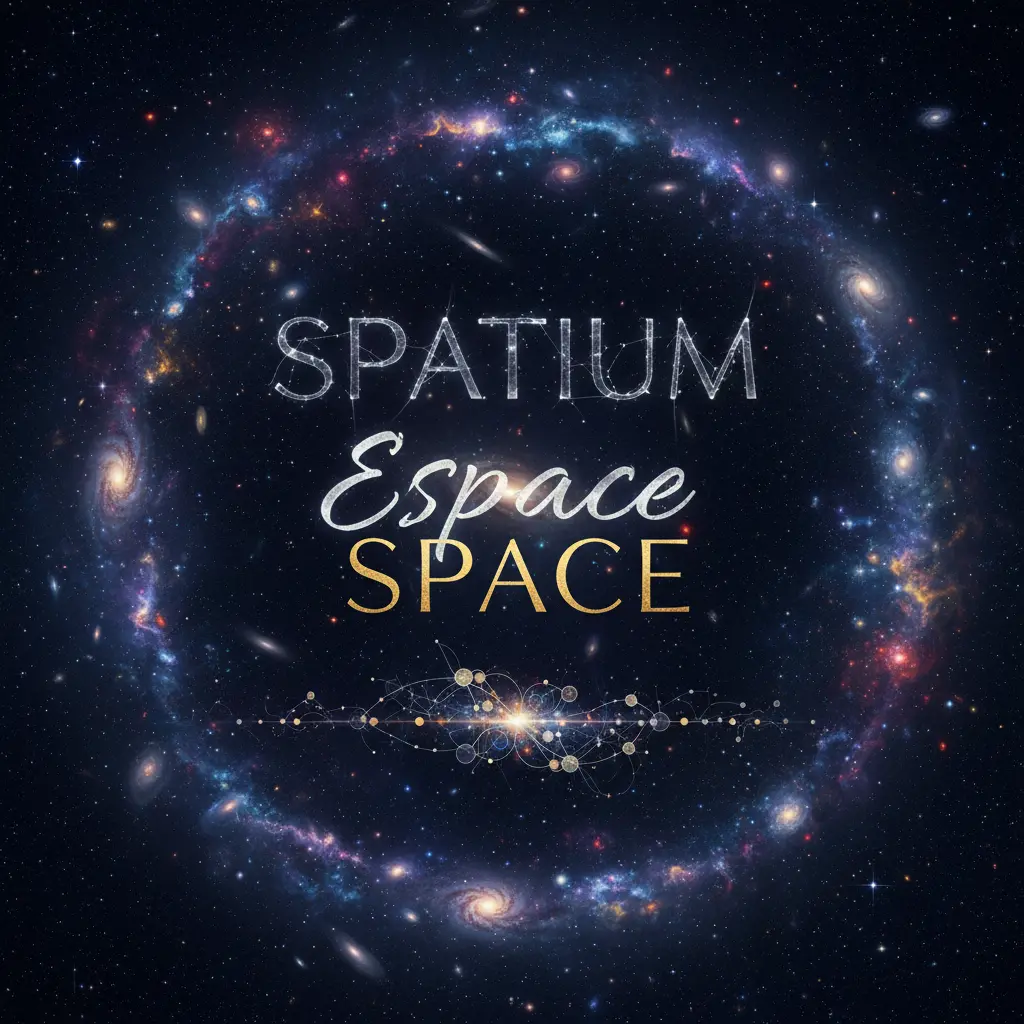
Latin root 'spatium' meaning 'extent'; from Latin to Old French 'espace' to English. Imagine a vast, open area where anything can exist, like the night sky filled with stars.
Note 1: These definitions and etymologies are not standard dictionary definitions, but extended explanations provided to help with memorization and understanding of the actual application of words. Through this background information, we strive to make words more vivid and easier to understand, and help you remember their meanings in real life.
Note 2: LexiTalk designs the learning flow around the linguistics principle of “Comprehensible Input.” When learners encounter material that is slightly above their level but still understandable from context, the brain naturally absorbs the language. That’s why we keep every word inside authentic contexts, using examples and associations to help you understand it and use it flexibly.
Read the FAQ explanation of Comprehensible InputFirst I reach out and move a small object across the table, watching the space open up as I push the cup toward the edge. I adjust my grip, hold it steady, and measure the gap between items, feeling how each shift changes what fits. The idea of space appears not as a rule but as a feel—the room to place or not place, the rhythm of keeping things separate. In real use, I learn to let the space guide how I set things down, how I space out ideas or rooms, how I keep pace with the task.
Space is a flexible word with several related senses. It can denote the vast, empty expanse of the universe, but it also refers to a specific area or gap between objects, such as chairs spaced in a room or the space on a page. Verb usage includes to space items apart, to arrange with regular intervals. The term ultimately comes from Latin spatium, meaning extent or interval, passing through Old French and into English. Learners should note that space often collocates with adjectives like outer, open, or personal, and that its meaning shifts with context. Being aware of these distinctions helps avoid common mistakes in writing and speaking.
In English, space is commonly used for both physical areas and gaps, with clear collocations like space between and open space. Learners often mix up space with room or place, and forget that space can be a verb meaning to space items apart.
What does the word 'spaces' mean?
Which sentence correctly uses the word 'spaces'?
Which word is most similar to 'spaces'?
What is the opposite of 'spaces'?
Can you think of a real-life context where the word 'spaces' fits?
Download LexiTalk app for personalized learning experience
Download AppCookies
We use cookies for essential site functions, analytics, and ads. You can accept, reject, or manage preferences. Privacy Policy