spice - Master This Word
Master this word with our 5-step learning method – Learn English in English
Train English Through Brain Routes, Not Translation.
This page helps you stop memorizing isolated translations and start understanding a word through its shared mental image, native-style thinking, and practical training steps.
Master this word with our 5-step learning method – Learn English in English
Example sentences are the start of understanding. Don't rush to memorize. First feel how the word works in a sentence.
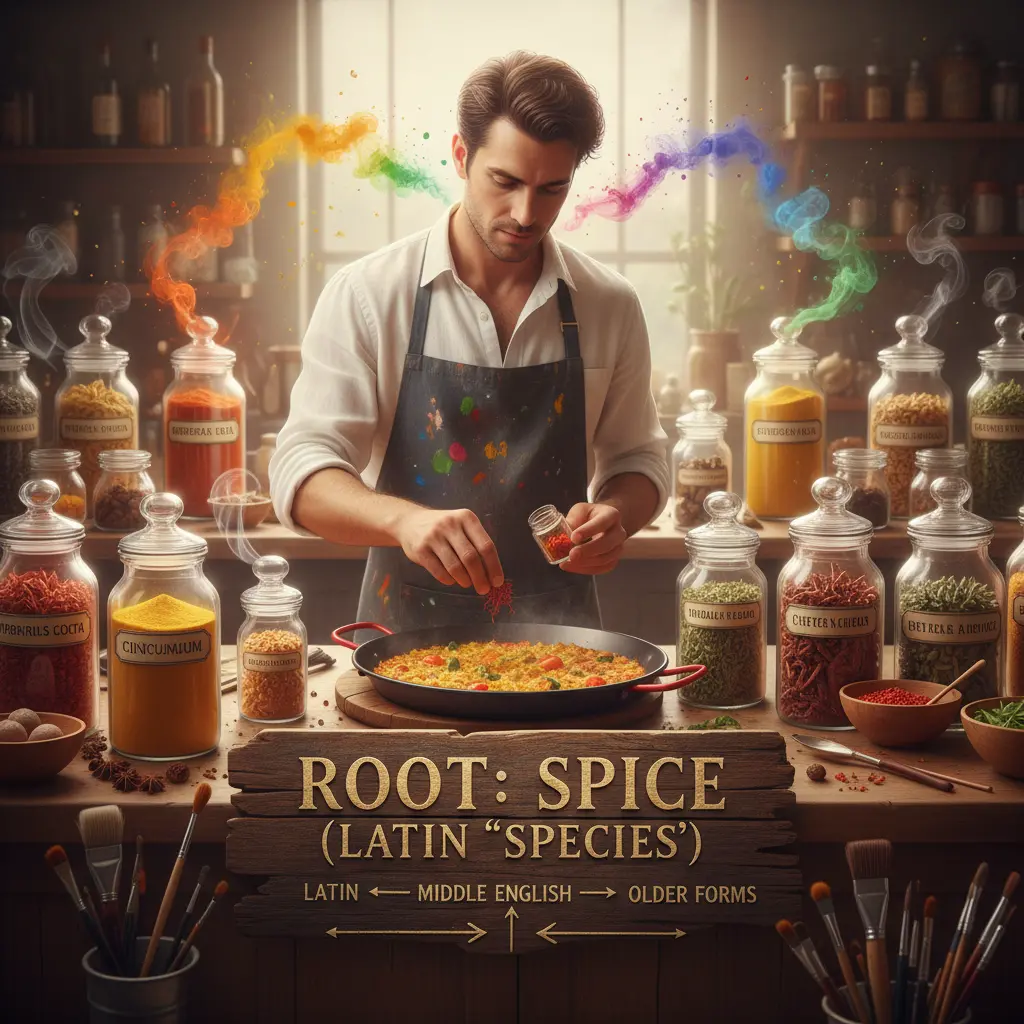
Root: spice (from Latin 'species' meaning a kind or sort, ultimately relating to appearance). Historical origin: Latin → Middle English → Older forms. Memory image: imagine colorful jars of spices lined up, each with a unique scent and flavor, enhancing every dish an artist prepares.
Note 1: These definitions and etymologies are not standard dictionary definitions, but extended explanations provided to help with memorization and understanding of the actual application of words. Through this background information, we strive to make words more vivid and easier to understand, and help you remember their meanings in real life.
Note 2: LexiTalk designs the learning flow around the linguistics principle of “Comprehensible Input.” When learners encounter material that is slightly above their level but still understandable from context, the brain naturally absorbs the language. That’s why we keep every word inside authentic contexts, using examples and associations to help you understand it and use it flexibly.
Read the FAQ explanation of Comprehensible InputI reach for the jar, twist the cap, and set a pinch of spice into the pan. I watch the powder puff and shift with the heat, my nose catching a sharp, bright scent. The scene changes as I adjust the flame and stir, keeping a steady grip on the controls. Soon the flavor blooms in the food, and I know this spice will wake the meal and invite more conversation at the table.
Spice is a word with several meanings. As a noun, it refers to a substance derived from plants such as peppers, cloves, or cinnamon that is used to add flavor to food. It can also mean something that adds excitement or interest to a situation, such as a twist in a story. As a verb, to spice something means to season it with spices or to make it livelier, often by adding a noticeable kick or variety. The term comes from ancient trade when spices were valuable commodities, and today it remains common in cooking as well as metaphorical language to enhance dishes, stories, or conversations.
For English learners, focus on how spice can be a noun (the ingredient) or a verb (to spice up). Notice the plural form spices for multiple seasonings and the metaphorical use in everyday speech.
What is the meaning of the word 'spice'?
In which sentence is 'spice' used correctly?
Which word is a synonym of 'spice'?
What is the opposite of 'spice'?
How would you use the word 'spice' in a real-life situation?
English Learning Listening Content
Listen NowDownload LexiTalk app for personalized learning experience
Download AppCookies
We use cookies for essential site functions, analytics, and ads. You can accept, reject, or manage preferences. Privacy Policy