
spores - Master This Word
Master this word with our 5-step learning method – Learn English in English
Train English Through Brain Routes, Not Translation.
This page helps you stop memorizing isolated translations and start understanding a word through its shared mental image, native-style thinking, and practical training steps.
Master this word with our 5-step learning method – Learn English in English
Example sentences are the start of understanding. Don't rush to memorize. First feel how the word works in a sentence.
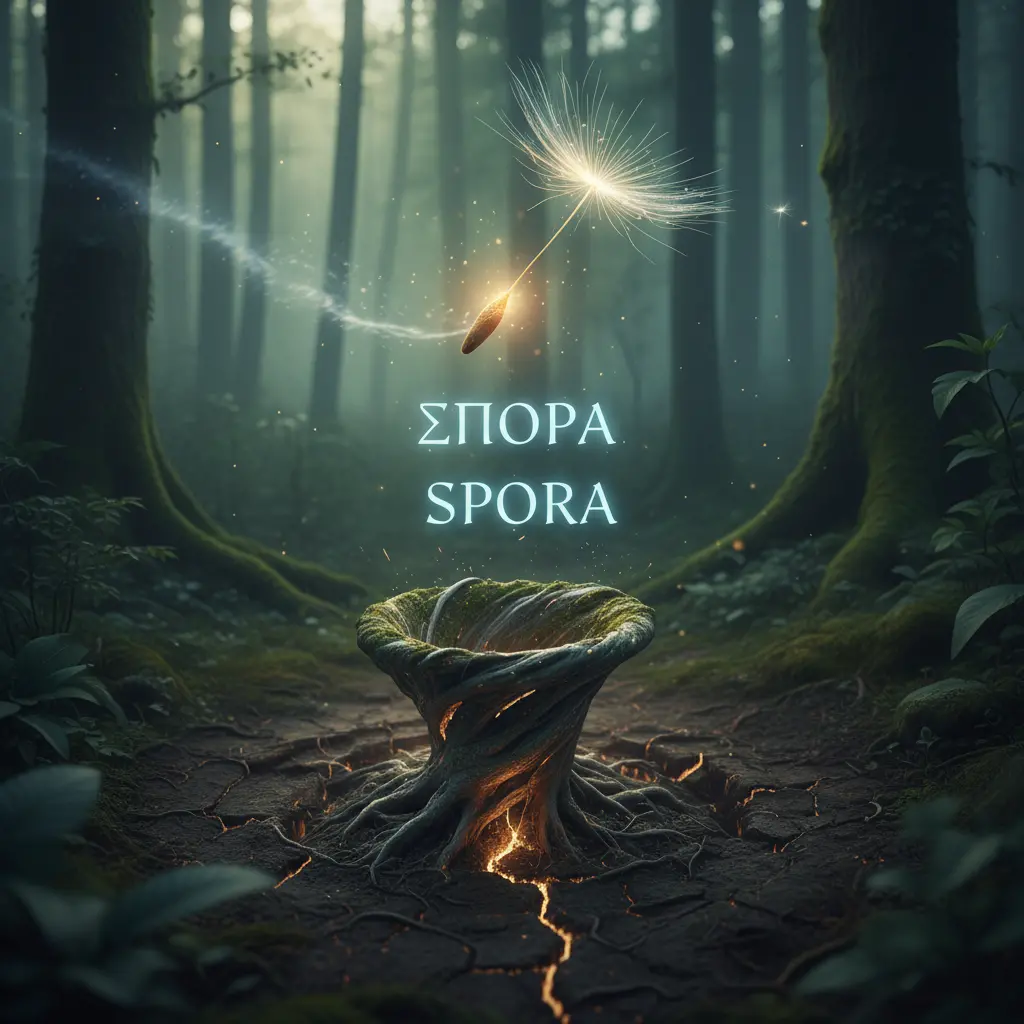
(a) spore originated from the Greek word 'spora,' meaning 'seed' (root). (b) The term passed through Latin 'spora' and Old French before entering English. (c) Imagine a tiny seed blowing in the wind, waiting for the perfect moment to take root and grow, like how spores wait for favorable conditions to germinate.
Note 1: These definitions and etymologies are not standard dictionary definitions, but extended explanations provided to help with memorization and understanding of the actual application of words. Through this background information, we strive to make words more vivid and easier to understand, and help you remember their meanings in real life.
Note 2: LexiTalk designs the learning flow around the linguistics principle of “Comprehensible Input.” When learners encounter material that is slightly above their level but still understandable from context, the brain naturally absorbs the language. That’s why we keep every word inside authentic contexts, using examples and associations to help you understand it and use it flexibly.
Read the FAQ explanation of Comprehensible InputSpore is a tiny, often dormant reproductive unit used by fungi, algae, and some plants and bacteria to spread and survive harsh conditions. In fungi such as mold and mushrooms, spores are produced in structures like sporangia or fruiting bodies and released into the air to colonize new locations. In plants, spores are part of the life cycle in mosses, ferns, and similar groups, replacing seeds in ancient lineages. Some bacteria and archaea can enter a spore state to resist heat, drying, or chemicals, then germinate when conditions improve. Because spores can be microscopic, learners often confuse them with seeds, but spores and seeds serve different biological strategies.
In English, spore is a precise biology term tied to dormancy and dispersal; learners often equate it with seeds or dust. Focus on the distinct life-cycle role and the word's scientific nuance.
Download LexiTalk app for personalized learning experience
Download AppCookies
We use cookies for essential site functions, analytics, and ads. You can accept, reject, or manage preferences. Privacy Policy