
suffragists - Master This Word
Master this word with our 5-step learning method – Learn English in English
Train English Through Brain Routes, Not Translation.
This page helps you stop memorizing isolated translations and start understanding a word through its shared mental image, native-style thinking, and practical training steps.
Master this word with our 5-step learning method – Learn English in English
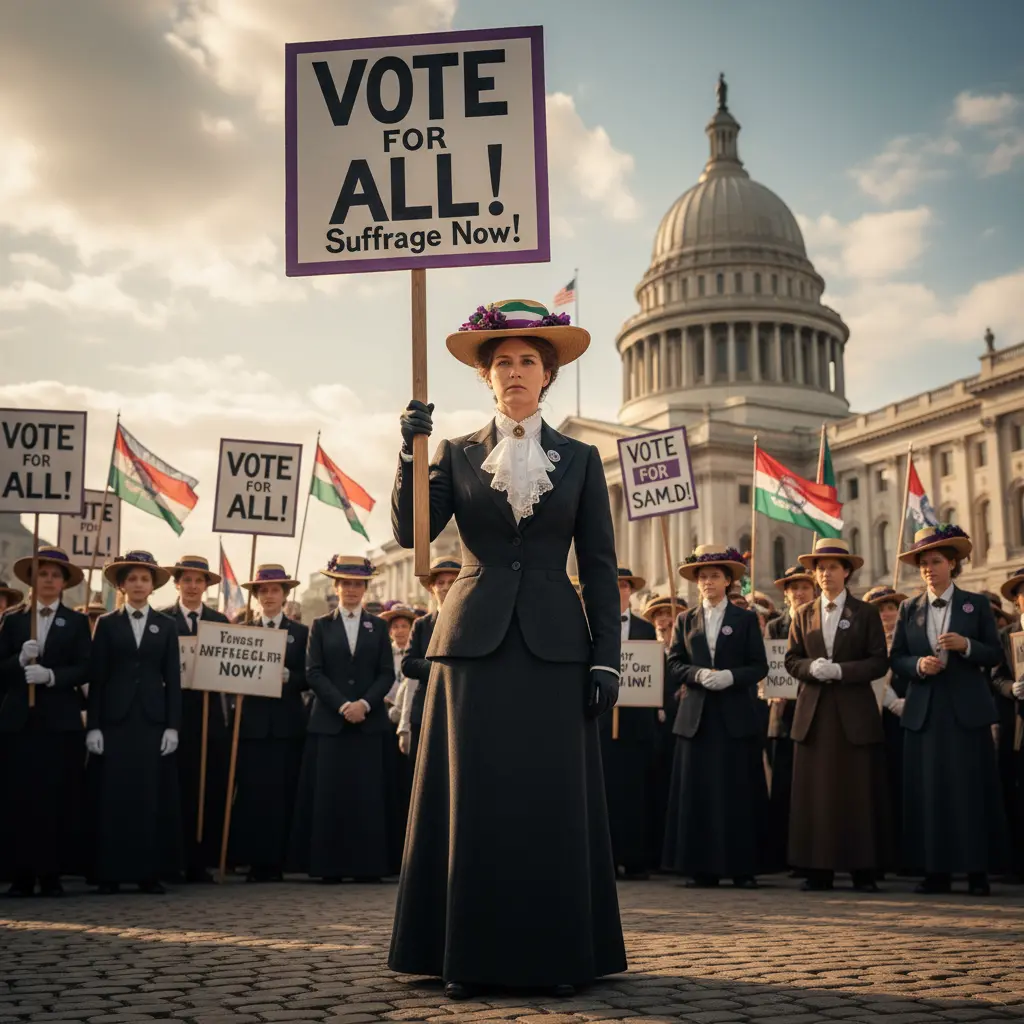
Example sentences are the start of understanding. Don't rush to memorize. First feel how the word works in a sentence.
suffragist = suffrage (the right to vote) + -ist (one who practices or advocates). Derived from Latin suffragium (vote) → Old French sufrage → English. Imagine a determined person standing tall, holding a sign that says 'Vote for All!'
Note 1: These definitions and etymologies are not standard dictionary definitions, but extended explanations provided to help with memorization and understanding of the actual application of words. Through this background information, we strive to make words more vivid and easier to understand, and help you remember their meanings in real life.
Note 2: LexiTalk designs the learning flow around the linguistics principle of “Comprehensible Input.” When learners encounter material that is slightly above their level but still understandable from context, the brain naturally absorbs the language. That’s why we keep every word inside authentic contexts, using examples and associations to help you understand it and use it flexibly.
Read the FAQ explanation of Comprehensible InputA suffragist is a person who campaigns for the right to vote, especially for women. In practice, suffragists advocated legal and social changes to expand suffrage beyond property requirements or male only rules. The term can refer to activists in various periods and countries, though it is most closely tied to the global movements of the late 19th and early 20th centuries. A suffragist may organize meetings, petition governments, or participate in peaceful demonstrations to press for equal political rights. When teaching the word, emphasize the historical context, the focus on voting rights rather than party allegiance, and the ongoing relevance of voting access today.
In English, suffragist is a neutral, historical term tied to specific movements; learners should recognize its strong historical hue and avoid assuming current political identity when encountering the word.
Download LexiTalk app for personalized learning experience
Download AppCookies
We use cookies for essential site functions, analytics, and ads. You can accept, reject, or manage preferences. Privacy Policy