theatrical - Master This Word
Master this word with our 5-step learning method – Learn English in English
Train English Through Brain Routes, Not Translation.
This page helps you stop memorizing isolated translations and start understanding a word through its shared mental image, native-style thinking, and practical training steps.
Master this word with our 5-step learning method – Learn English in English
Example sentences are the start of understanding. Don't rush to memorize. First feel how the word works in a sentence.
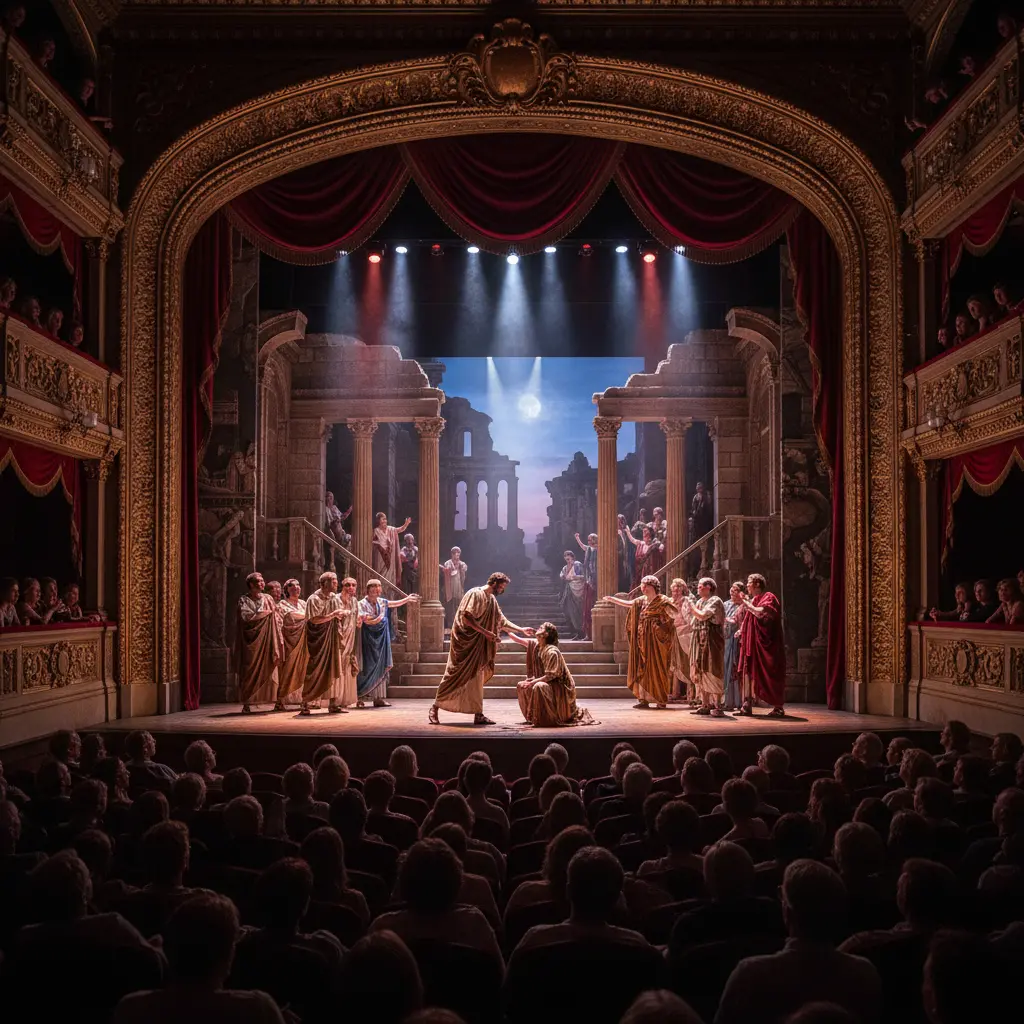
theatrical: theatre + -ical; from Greek 'theatron' (viewing place) → Latin 'theatrum' → Old French 'theatre' → English. Imagine a grand stage where actors perform with great flair, inviting the audience to experience their emotional journey.
Note 1: These definitions and etymologies are not standard dictionary definitions, but extended explanations provided to help with memorization and understanding of the actual application of words. Through this background information, we strive to make words more vivid and easier to understand, and help you remember their meanings in real life.
Note 2: LexiTalk designs the learning flow around the linguistics principle of “Comprehensible Input.” When learners encounter material that is slightly above their level but still understandable from context, the brain naturally absorbs the language. That’s why we keep every word inside authentic contexts, using examples and associations to help you understand it and use it flexibly.
Read the FAQ explanation of Comprehensible InputI reach for the edge of the curtain and pull it a touch, feeling the fabric tighten under my fingers. I adjust the light, turn the dial, and watch the glow shift across the backdrop. The effort to hold steady while nudging the moment bigger makes the scene feel bold and theatrical. When I keep the pace steady and let the space breathe, the mood settles into something a performer recognizes.
The word theatrical originally relates to theatres and stage performance, but in everyday English it often describes anything that seems exaggerated, showy, or designed to attract attention. The theatrical style can be used positively in art and film to convey intensity, or pejoratively to suggest overacting or insincerity. Learners frequently confuse theatrical with merely dramatic; in some contexts it implies deliberate craft and public display, not true emotional depth. Common collocations include theatrical lighting, a theatrical entrance, and theatrical performances. In conversation, theatrical can describe behavior that feels like a performance, rather than a genuine reaction.
English speakers often parse the word as either a positive descriptor of artful performance or a negative label for showy behavior; the nuance depends on context and tone.
What is the meaning of 'theatrical'?
In which sentence is 'theatrical' used correctly?
Which word is a synonym of 'theatrical'?
What is the opposite of 'theatrical'?
How might you describe a person's behavior as 'theatrical' in a real-life context?
English Learning Listening Content
Listen NowDownload LexiTalk app for personalized learning experience
Download AppCookies
We use cookies for essential site functions, analytics, and ads. You can accept, reject, or manage preferences. Privacy Policy