timber - Master This Word
Master this word with our 5-step learning method – Learn English in English
Train English Through Brain Routes, Not Translation.
This page helps you stop memorizing isolated translations and start understanding a word through its shared mental image, native-style thinking, and practical training steps.
Master this word with our 5-step learning method – Learn English in English
Example sentences are the start of understanding. Don't rush to memorize. First feel how the word works in a sentence.
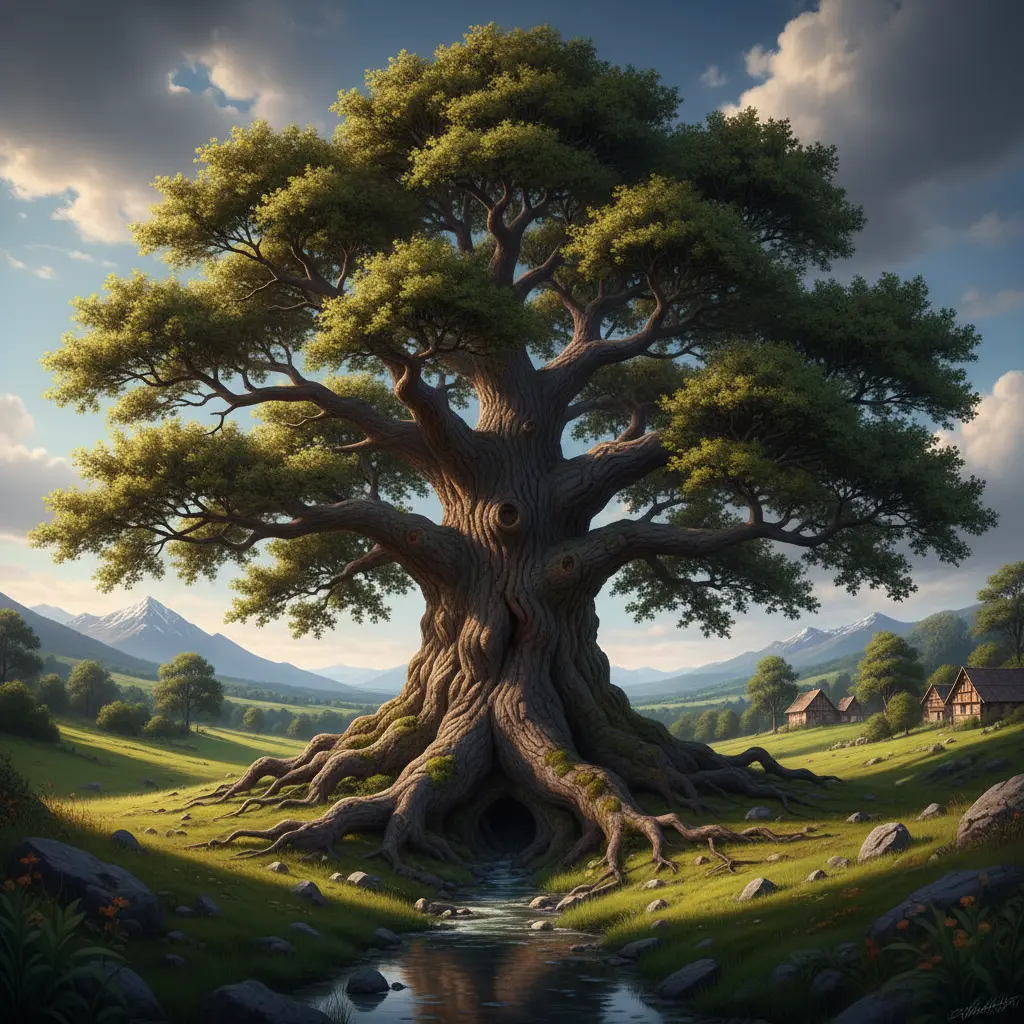
(a) Old English 'timber,' from Proto-Germanic 'dimbaz' (meaning 'tree'); (b) Derived through Old French from Latin 'timberia'; (c) Imagine a grand, towering tree, which stands tall and robust, symbolizing strength and resources.
Note 1: These definitions and etymologies are not standard dictionary definitions, but extended explanations provided to help with memorization and understanding of the actual application of words. Through this background information, we strive to make words more vivid and easier to understand, and help you remember their meanings in real life.
Note 2: LexiTalk designs the learning flow around the linguistics principle of “Comprehensible Input.” When learners encounter material that is slightly above their level but still understandable from context, the brain naturally absorbs the language. That’s why we keep every word inside authentic contexts, using examples and associations to help you understand it and use it flexibly.
Read the FAQ explanation of Comprehensible InputFirst I pick up a plank of timber and set it on the workbench, feeling the weight shift in my arms. I adjust my grip, turn it toward the light, and push it against the frame until it sits true. The solid grain and quiet resistance tell me this is wood for building—a material to cut, join, and shape. As I work, the idea of timber as lumber or as forest-born resource comes into view through the hands-on feel of the task.
Timber is a common noun for wood prepared for building, carpentry, or crafts, typically sold as boards, beams, or planks. It can refer to the material itself as well as to the trees from which it comes, especially in contexts like a stock of timber or timber from the forest. The term also denotes forested land or a stand of trees suitable for harvesting, such as a timber estate. Figuratively, timber can describe the quality, type, or resources available, as in the phrase good timber for a project or a stock of premium timber, implying solid material or potential for progress.
Learners usually think of timber strictly as a product, but in English it also means forest land and can carry figurative meanings about quality and resources.
What is the definition of 'timber'?
Which of the following sentences correctly uses the word 'timber'?
Which word is most similar to 'timber'?
What is the opposite of 'timber'?
Can you think of a real-life context where the word 'timber' would be relevant?
Download LexiTalk app for personalized learning experience
Download AppCookies
We use cookies for essential site functions, analytics, and ads. You can accept, reject, or manage preferences. Privacy Policy