towns - Master This Word
Master this word with our 5-step learning method – Learn English in English
Train English Through Brain Routes, Not Translation.
This page helps you stop memorizing isolated translations and start understanding a word through its shared mental image, native-style thinking, and practical training steps.
Master this word with our 5-step learning method – Learn English in English
Example sentences are the start of understanding. Don't rush to memorize. First feel how the word works in a sentence.
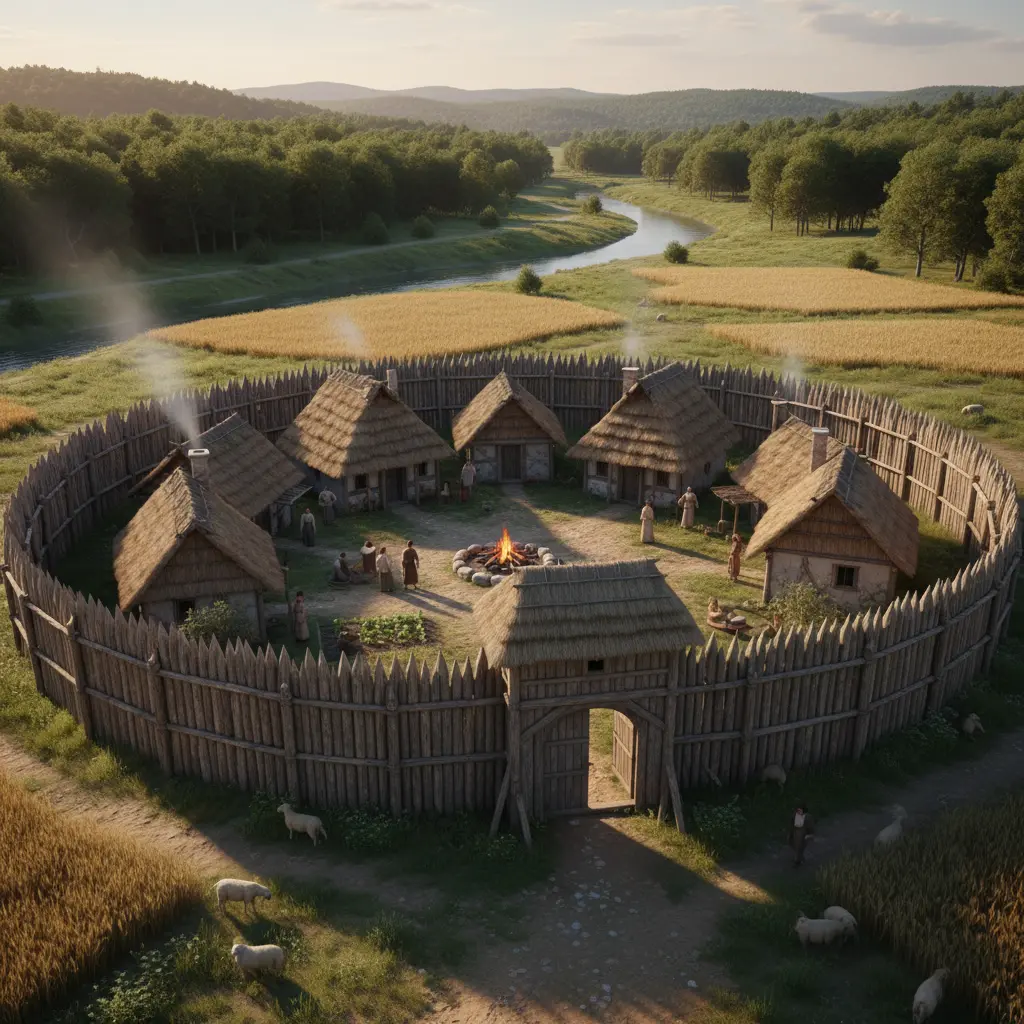
From Old English ‘tun’ meaning 'enclosure' or 'settlement'; roots suggest a place where people are gathered together. Imagine a group of houses encircled by a fence, symbolizing safety and community.
Note 1: These definitions and etymologies are not standard dictionary definitions, but extended explanations provided to help with memorization and understanding of the actual application of words. Through this background information, we strive to make words more vivid and easier to understand, and help you remember their meanings in real life.
Note 2: LexiTalk designs the learning flow around the linguistics principle of “Comprehensible Input.” When learners encounter material that is slightly above their level but still understandable from context, the brain naturally absorbs the language. That’s why we keep every word inside authentic contexts, using examples and associations to help you understand it and use it flexibly.
Read the FAQ explanation of Comprehensible InputI step outside and move along the sidewalk, turning onto a small street that feels busy in a gentle way. As I walk, the scene shifts from quiet houses to a cluster of shops where people chat, and I adjust my pace to fit the rhythm. I notice how the street wears its own map of life—where to stand, where to pause, where to say hello. This is a town in practice: a place you can place yourself, feel its local pace, and keep moving through its everyday scenes.
A town is a small to medium sized inhabited place with its own local government and services, but smaller than a city. Towns typically have a distinct center, shops, schools, and a town hall, and residents often know their neighbors and participate in local events. The concept sits between village and city, and English uses terms like town center or downtown to describe the core area. The etymology traces to Old English tun, meaning enclosure or settlement; a place where people gather. Learners should distinguish town from village (smaller, fewer services) and city (larger, broader jurisdiction).
Explain to an English speaker (meta, keep short)
Download LexiTalk app for personalized learning experience
Download AppCookies
We use cookies for essential site functions, analytics, and ads. You can accept, reject, or manage preferences. Privacy Policy