tribes - Master This Word
Master this word with our 5-step learning method – Learn English in English
Train English Through Brain Routes, Not Translation.
This page helps you stop memorizing isolated translations and start understanding a word through its shared mental image, native-style thinking, and practical training steps.
Master this word with our 5-step learning method – Learn English in English
Example sentences are the start of understanding. Don't rush to memorize. First feel how the word works in a sentence.
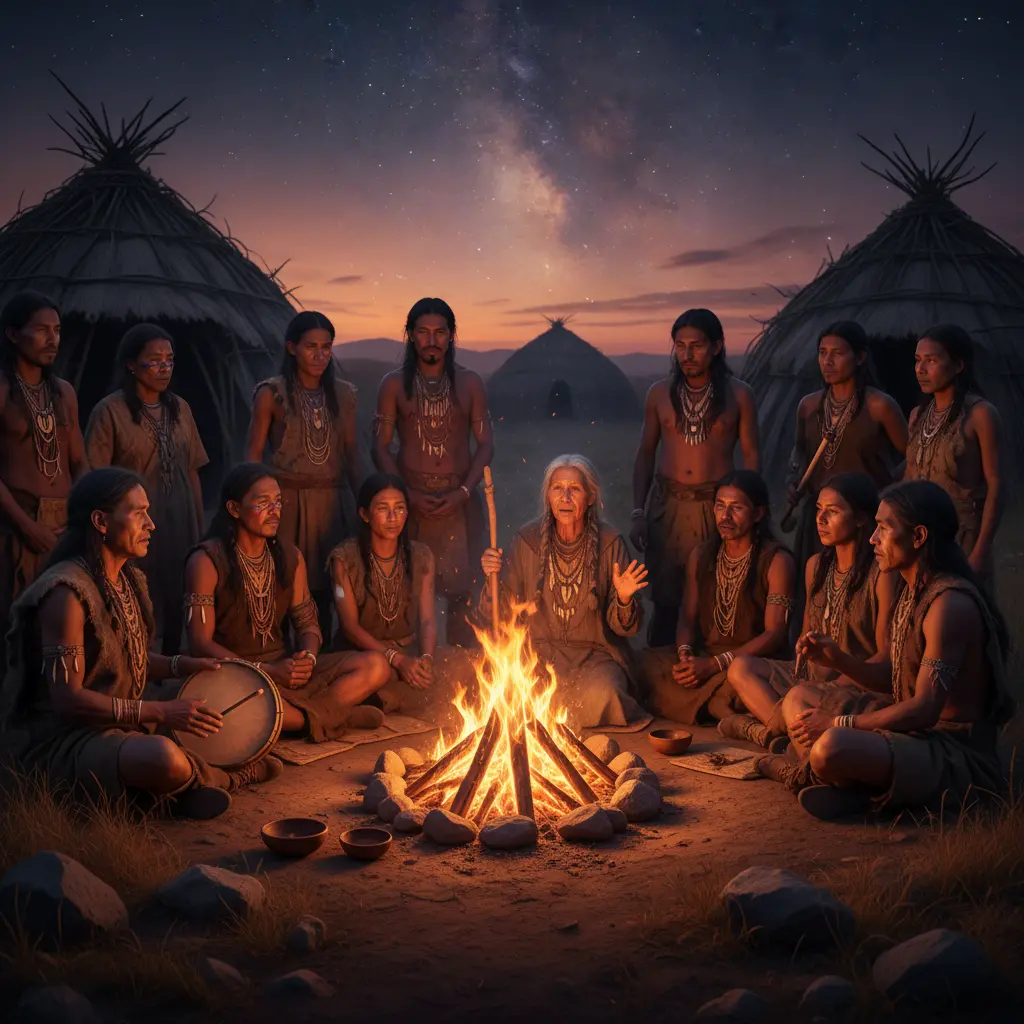
tribe = tribus (Latin), Old French → Middle English, a group linked by kinship and shared culture. Picture a circle of people around a fire, sharing stories and traditions, enhancing the sense of belonging.
Note 1: These definitions and etymologies are not standard dictionary definitions, but extended explanations provided to help with memorization and understanding of the actual application of words. Through this background information, we strive to make words more vivid and easier to understand, and help you remember their meanings in real life.
Note 2: LexiTalk designs the learning flow around the linguistics principle of “Comprehensible Input.” When learners encounter material that is slightly above their level but still understandable from context, the brain naturally absorbs the language. That’s why we keep every word inside authentic contexts, using examples and associations to help you understand it and use it flexibly.
Read the FAQ explanation of Comprehensible InputI move through a crowded room, watching how people cluster into little circles. I shift closer to a group that shares a joke I recognize, and adjust my posture to blend in. I hold back my hesitation and choose to stay, letting the conversation pull me deeper. In these small, shared moments, the sense of tribe emerges—not as a label, but as a thread of belonging that ties us together in talk and memory.
Tribe can refer to a traditional social group linked by kinship, culture, and shared territory. In everyday English, it usually describes a community that is smaller than a nation but larger than a family, with a strong sense of belonging and collective identity. The word appears in anthropology, history, and casual speech, sometimes carrying neutral descriptive meaning and other times hinting at loyalty, exclusivity, or stereotypes when used about outsiders. Learners should distinguish tribe from related terms like clan or ethnic group, and be mindful of context. When talking about modern organizations, tribe can also describe a loosely affiliated network of people who share a common interest. Use tone carefully when referring to real tribes to avoid offense.
In English, tribe is a flexible term that can refer to traditional, kin-based groups or be used metaphorically to describe a like-minded community; learners should avoid assuming it always means primitive or ancient and must consider modern contexts.
Download LexiTalk app for personalized learning experience
Download AppCookies
We use cookies for essential site functions, analytics, and ads. You can accept, reject, or manage preferences. Privacy Policy