
trickle - Master This Word
Master this word with our 5-step learning method – Learn English in English
Train English Through Brain Routes, Not Translation.
This page helps you stop memorizing isolated translations and start understanding a word through its shared mental image, native-style thinking, and practical training steps.
Master this word with our 5-step learning method – Learn English in English
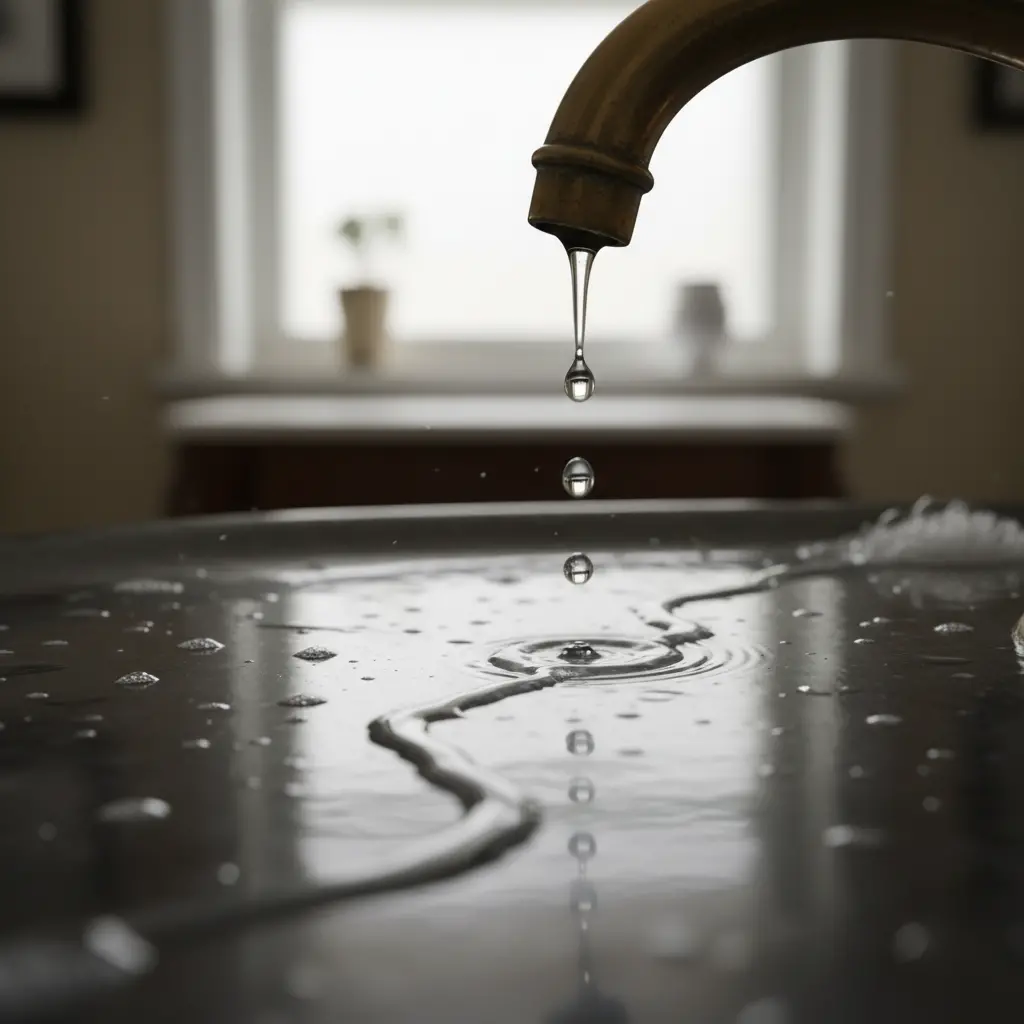
Example sentences are the start of understanding. Don't rush to memorize. First feel how the word works in a sentence.
trickle = trickle (to flow slowly) with no direct prefixes or suffixes, from Middle English 'triklen', from Old English 'tricla' meaning 'drip'. Imagine small beads of water slowly dripping from a tap, creating a gentle stream on the surface.
Note 1: These definitions and etymologies are not standard dictionary definitions, but extended explanations provided to help with memorization and understanding of the actual application of words. Through this background information, we strive to make words more vivid and easier to understand, and help you remember their meanings in real life.
Note 2: LexiTalk designs the learning flow around the linguistics principle of “Comprehensible Input.” When learners encounter material that is slightly above their level but still understandable from context, the brain naturally absorbs the language. That’s why we keep every word inside authentic contexts, using examples and associations to help you understand it and use it flexibly.
Read the FAQ explanation of Comprehensible InputTrickle means to flow very slowly in a small stream or to pass or move in small quantities. It often conveys a gentle, almost imperceptible movement rather than a strong flow. You can describe water that trickles from a faucet, rain that settles into a light drizzle over time, or information that trickles out gradually. The noun form refers to that modest flow itself: a trickle of coffee, a trickle of blood after a small cut. The sense emphasizes patience, small quantity, and a slow, steady pace rather than speed or abundance.
For English speakers, trickle conveys slow, small-scale movement with a sense of gradual progression; learners may overgeneralize to imply any small amount and forget the typical collocations (trickle down, trickle along).
What does the word 'trickle' mean?
Which sentence uses the word 'trickle' correctly?
Which word is most similar to 'trickle'?
What is the opposite of 'trickle'?
Can you think of a real-life scenario where the word 'trickle' would be used?
Download LexiTalk app for personalized learning experience
Download AppCookies
We use cookies for essential site functions, analytics, and ads. You can accept, reject, or manage preferences. Privacy Policy