vaccines - Master This Word
Master this word with our 5-step learning method – Learn English in English
Train English Through Brain Routes, Not Translation.
This page helps you stop memorizing isolated translations and start understanding a word through its shared mental image, native-style thinking, and practical training steps.
Master this word with our 5-step learning method – Learn English in English
Example sentences are the start of understanding. Don't rush to memorize. First feel how the word works in a sentence.
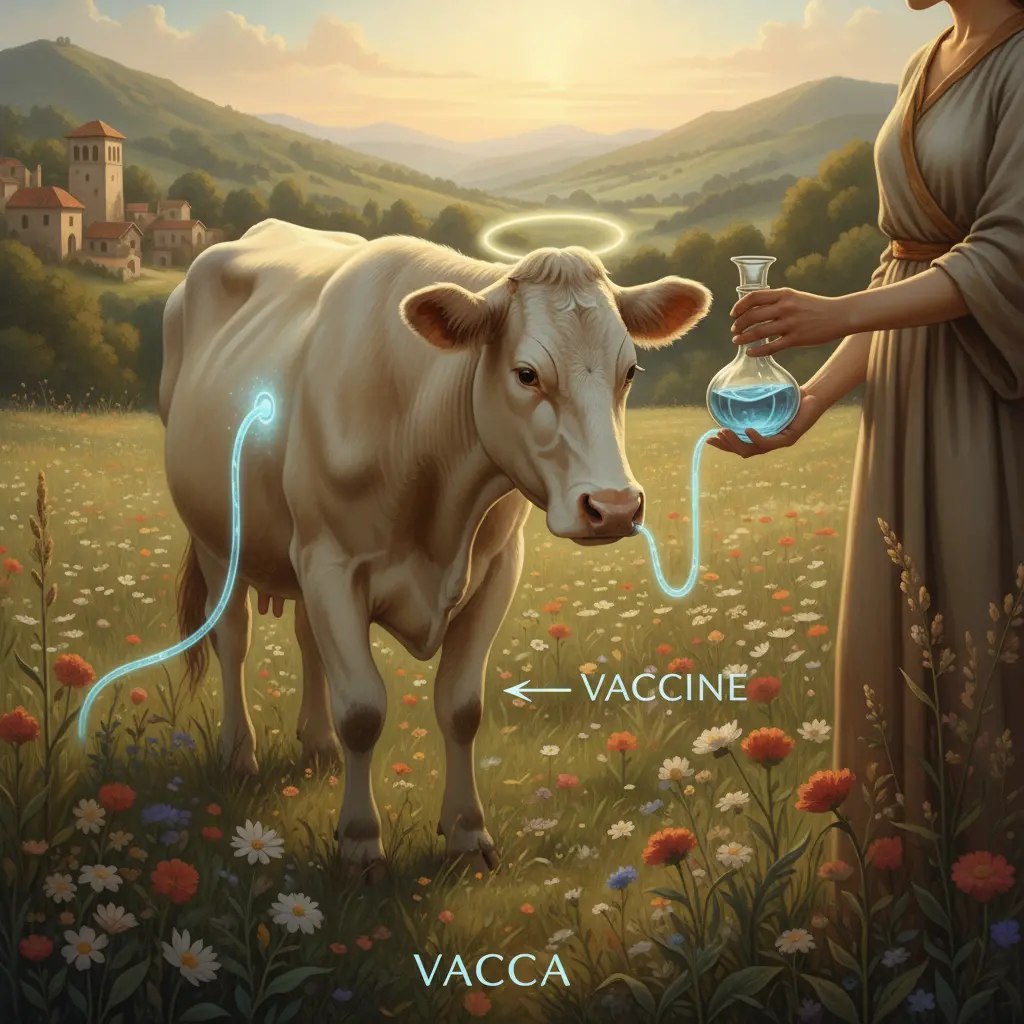
vaccine: vac- = cow, -cine = relating to. Origin: Latin 'vaccinus' (from 'vacca' meaning cow) → French → English. Imagine a cow gently providing the serum needed to protect you from illness, a simple yet profound gift.
Note 1: These definitions and etymologies are not standard dictionary definitions, but extended explanations provided to help with memorization and understanding of the actual application of words. Through this background information, we strive to make words more vivid and easier to understand, and help you remember their meanings in real life.
Note 2: LexiTalk designs the learning flow around the linguistics principle of “Comprehensible Input.” When learners encounter material that is slightly above their level but still understandable from context, the brain naturally absorbs the language. That’s why we keep every word inside authentic contexts, using examples and associations to help you understand it and use it flexibly.
Read the FAQ explanation of Comprehensible InputA vaccine is a substance used to stimulate the body's immune response so it can fight off specific infections. It can be a liquid containing weakened or inactivated germs, or a tiny amount of genetic material designed to teach the immune system to recognize a pathogen. Vaccines are commonly given as injections, but some are oral or nasal sprays. People often describe vaccines as a shield that helps you develop immunity without getting sick. The term also covers broader preparations aimed at provoking protective immunity, not just a single medicine. The etymology links to the Latin vaccinus (from vacca, cow), a reminder of how early cowpox work led to the vaccination idea.
English often treats vaccine as both a concrete noun (a vaccine) and a broad concept (immunity). Learners may mix it with vaccination or immunization or mispronounce the term.
Download LexiTalk app for personalized learning experience
Download AppCookies
We use cookies for essential site functions, analytics, and ads. You can accept, reject, or manage preferences. Privacy Policy