volcanoes - Master This Word
Master this word with our 5-step learning method – Learn English in English
Train English Through Brain Routes, Not Translation.
This page helps you stop memorizing isolated translations and start understanding a word through its shared mental image, native-style thinking, and practical training steps.
Master this word with our 5-step learning method – Learn English in English
Example sentences are the start of understanding. Don't rush to memorize. First feel how the word works in a sentence.
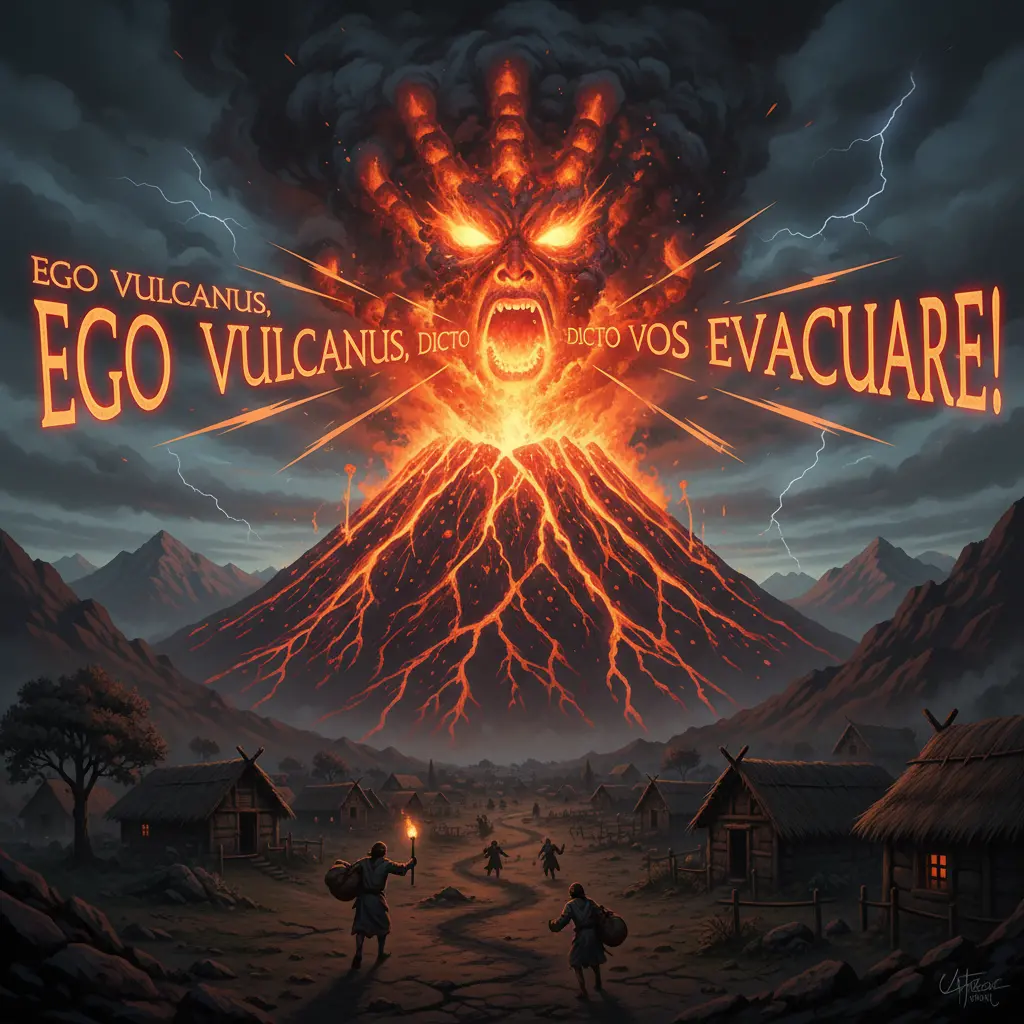
Volcano derives from the Latin 'vulcanus' (of fire) + root 'can' (to say/declare). Imagine a fiery mountain that speaks in eruptions, declaring its power and alerting nearby villagers to evacuate.
Note 1: These definitions and etymologies are not standard dictionary definitions, but extended explanations provided to help with memorization and understanding of the actual application of words. Through this background information, we strive to make words more vivid and easier to understand, and help you remember their meanings in real life.
Note 2: LexiTalk designs the learning flow around the linguistics principle of “Comprehensible Input.” When learners encounter material that is slightly above their level but still understandable from context, the brain naturally absorbs the language. That’s why we keep every word inside authentic contexts, using examples and associations to help you understand it and use it flexibly.
Read the FAQ explanation of Comprehensible InputVolcano is a noun that names a mountain capable of erupting lava and ash, or a geological formation created by volcanic activity. It can also be used metaphorically to describe a powerful, dangerous force or a source of fiery energy. People study volcanoes to predict eruptions, monitor lava flows, and understand Earth's interior. Famous volcanoes shape landscapes, influence weather, climate, tourism, and local cultures. Some are active today, while others lie dormant for centuries. The word also appears in phrases like active volcano, dormant volcano, and volcanic eruption, helping learners connect science, geography, and vocabulary.
English learners often associate volcanoes mainly with dramatic eruptions and famous islands. This can lead to overgeneralizations about location and activity status; learners may miss nuances like dormant vs active, or recognize that many volcanoes are far from populations.
Download LexiTalk app for personalized learning experience
Download AppCookies
We use cookies for essential site functions, analytics, and ads. You can accept, reject, or manage preferences. Privacy Policy