waggles - Master This Word
Master this word with our 5-step learning method – Learn English in English
Train English Through Brain Routes, Not Translation.
This page helps you stop memorizing isolated translations and start understanding a word through its shared mental image, native-style thinking, and practical training steps.
Master this word with our 5-step learning method – Learn English in English
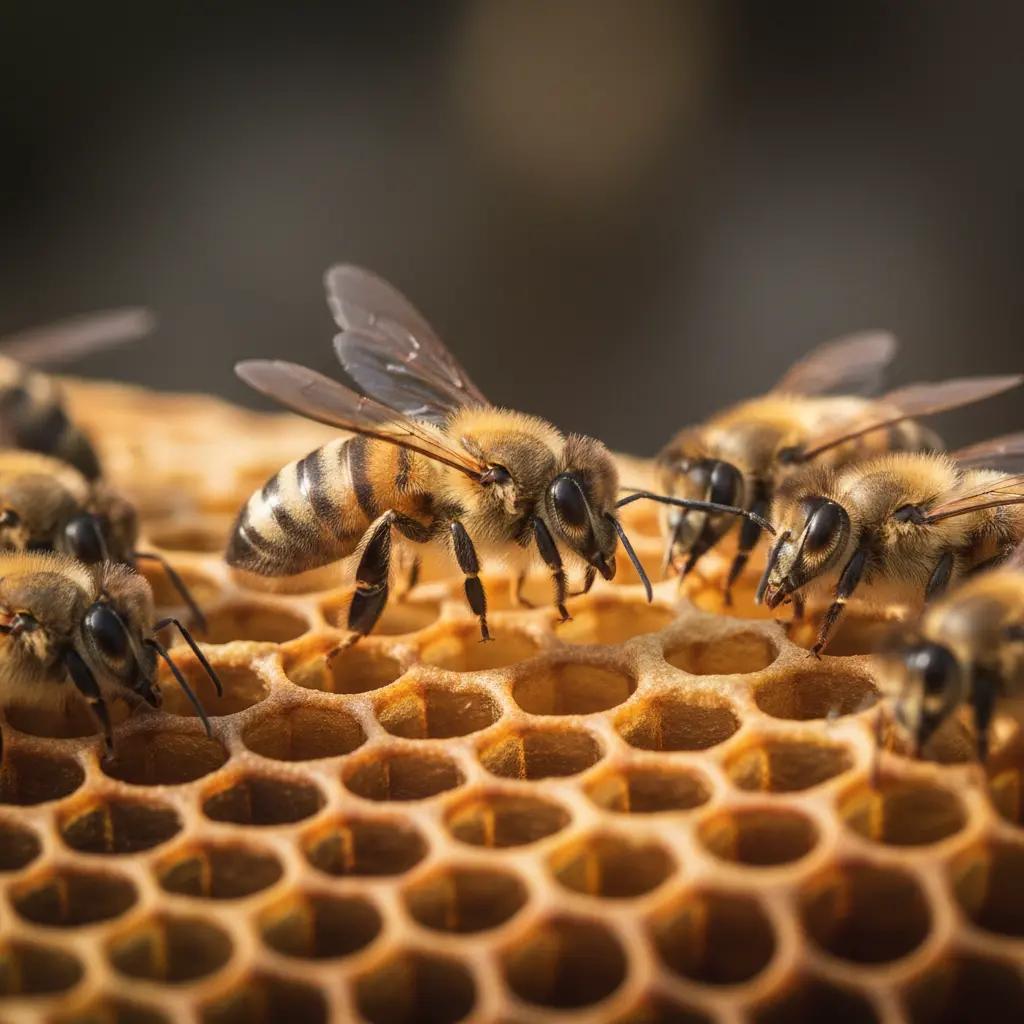
Example sentences are the start of understanding. Don't rush to memorize. First feel how the word works in a sentence.
Root: 'wag' (to move back and forth) + '-gle' (diminutive suffix). Historical origin: Old High German 'wagōn' → Middle English. Memory image: Imagine a bee waggling its body dance to tell others where the flowers are, highlighting the quick, rhythmic movements.
Note 1: These definitions and etymologies are not standard dictionary definitions, but extended explanations provided to help with memorization and understanding of the actual application of words. Through this background information, we strive to make words more vivid and easier to understand, and help you remember their meanings in real life.
Note 2: LexiTalk designs the learning flow around the linguistics principle of “Comprehensible Input.” When learners encounter material that is slightly above their level but still understandable from context, the brain naturally absorbs the language. That’s why we keep every word inside authentic contexts, using examples and associations to help you understand it and use it flexibly.
Read the FAQ explanation of Comprehensible InputTo waggle is to move or cause to move with short, quick motions, usually in a back-and-forth or side-to-side pattern. It covers animal actions, such as a tail wagging or a bee performing a waggle dance, and human gestures, like jigging a finger or shaking a wand with small, rapid moves. The emphasis is on rhythm and repetition rather than a single large motion. Waggle is often used when the motion serves communication or attention-getting. In practice you might say a dog waggled its tail when excited, or a dancer wagged a prop to draw the audience's gaze during a performance.
Explain to an English speaker that waggle conveys signaling or rhythmic movement, so learners tend to overuse it in general motion contexts; reserve for intentional, repetitive actions or animal signaling.
Download LexiTalk app for personalized learning experience
Download AppCookies
We use cookies for essential site functions, analytics, and ads. You can accept, reject, or manage preferences. Privacy Policy