
wasp - Master This Word
Master this word with our 5-step learning method – Learn English in English
Train English Through Brain Routes, Not Translation.
This page helps you stop memorizing isolated translations and start understanding a word through its shared mental image, native-style thinking, and practical training steps.
Master this word with our 5-step learning method – Learn English in English
Example sentences are the start of understanding. Don't rush to memorize. First feel how the word works in a sentence.
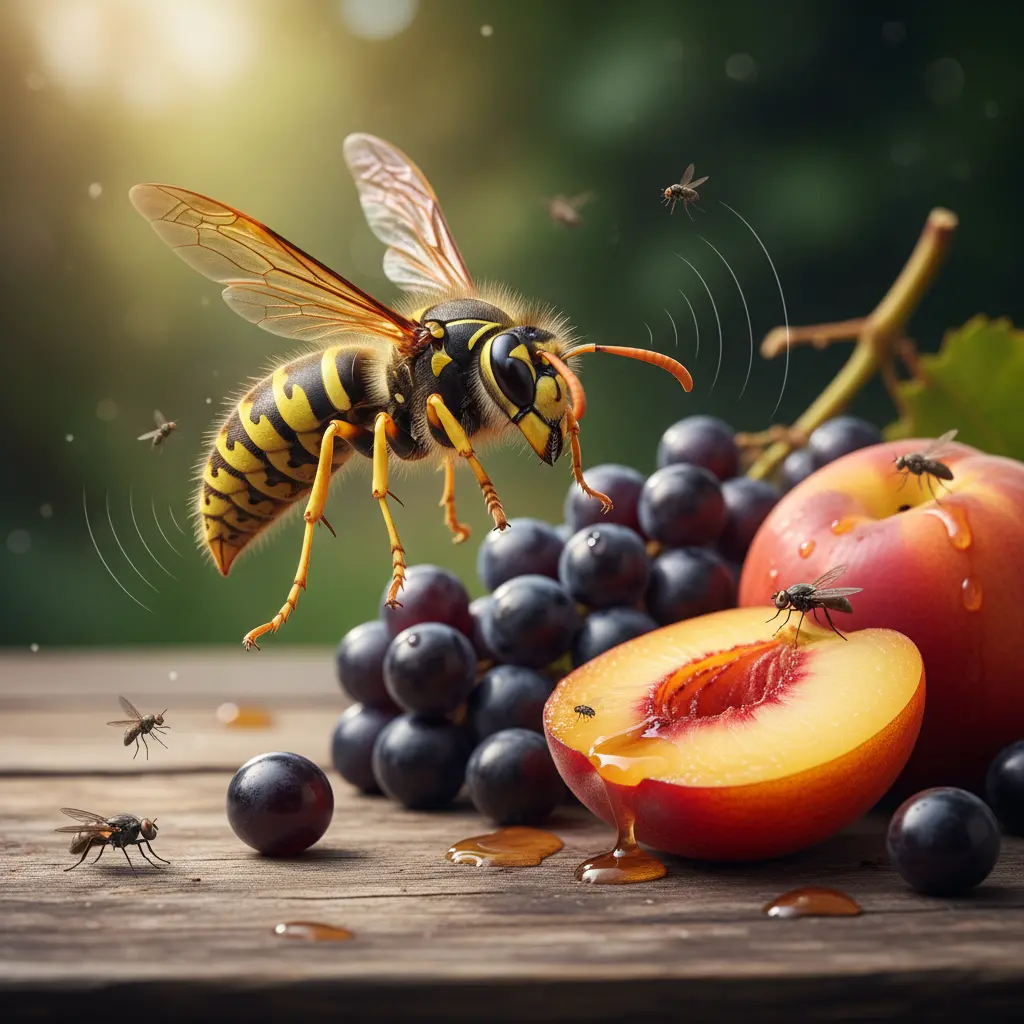
Root decomposition: 'wasp' (no prefixes/suffixes). Historical origin: Middle English from Old English 'waeps' related to Proto-Germanic 'wapsa'. Memory image: Picture a wasp fiercely buzzing near sweet fruits, reminding you of its stinging presence, synonymous with sharpness and aggression.
Note 1: These definitions and etymologies are not standard dictionary definitions, but extended explanations provided to help with memorization and understanding of the actual application of words. Through this background information, we strive to make words more vivid and easier to understand, and help you remember their meanings in real life.
Note 2: LexiTalk designs the learning flow around the linguistics principle of “Comprehensible Input.” When learners encounter material that is slightly above their level but still understandable from context, the brain naturally absorbs the language. That’s why we keep every word inside authentic contexts, using examples and associations to help you understand it and use it flexibly.
Read the FAQ explanation of Comprehensible InputWasps are social insects closely related to bees, known for their slender bodies, bright black and yellow markings, and a tendency to sting when provoked. In everyday usage, wasp can describe someone with a sharp temperament or aggressive streak who quickly makes hostile remarks or acts defensively. The word is also used metaphorically for a combative debate or a confrontational person who seems prickly yet perceptive. While wasps can be feared for stings, they play ecological roles as predators of pest insects. Use the term with care in sensitive conversations to avoid sounding insulting when describing behavior.
For English learners, wasp covers both a real insect and a sharp-tempered person. Learners often confuse the insect sense with harsh insults or overgeneralize the metaphor to any angry person. Remember the calm, neutral insect description vs. the pejorative human use.
What is the meaning of the word 'wasp'?
Which sentence uses 'wasp' correctly?
Which word is most similar to 'wasp'?
What is the opposite of 'wasp'?
Can you think of a real-life scenario involving this word?
Download LexiTalk app for personalized learning experience
Download AppCookies
We use cookies for essential site functions, analytics, and ads. You can accept, reject, or manage preferences. Privacy Policy