widespread - Master This Word
Master this word with our 5-step learning method – Learn English in English
Train English Through Brain Routes, Not Translation.
This page helps you stop memorizing isolated translations and start understanding a word through its shared mental image, native-style thinking, and practical training steps.
Master this word with our 5-step learning method – Learn English in English
Example sentences are the start of understanding. Don't rush to memorize. First feel how the word works in a sentence.
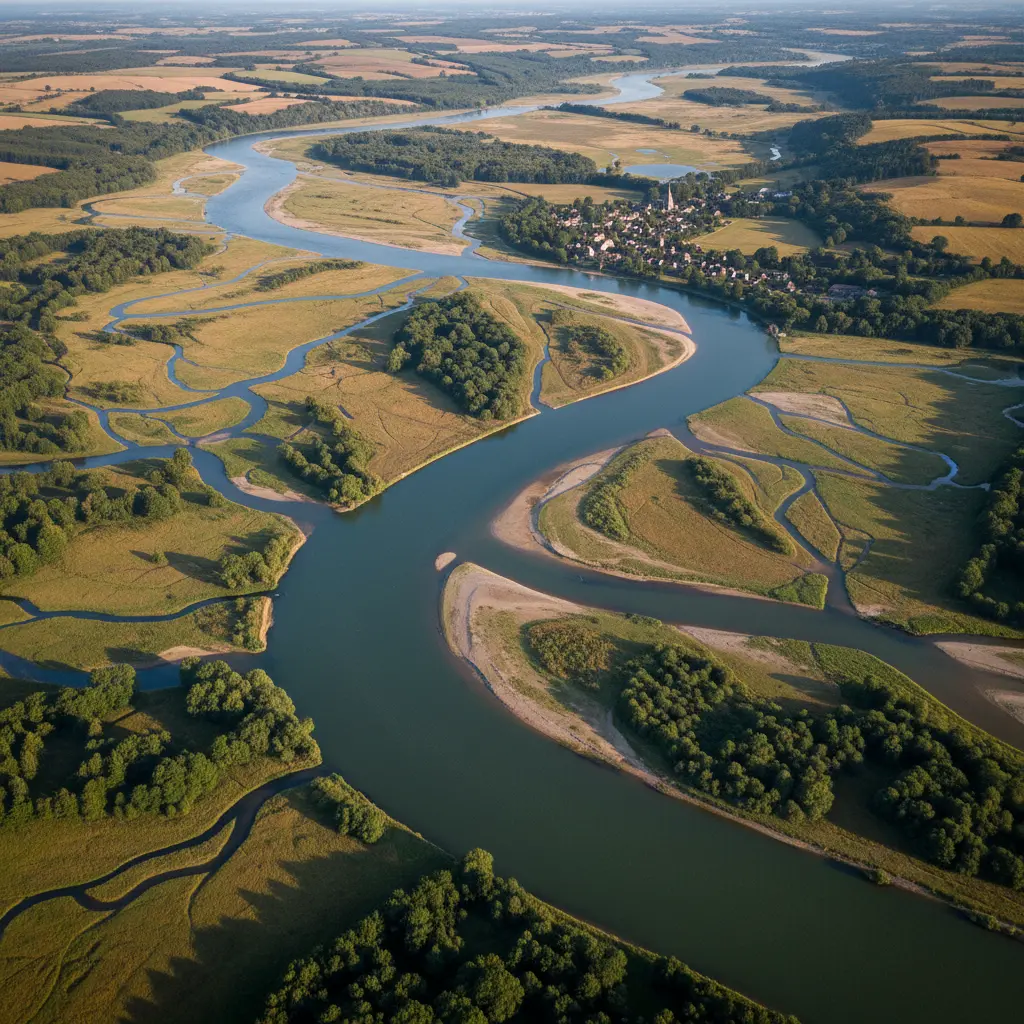
wide = broad + spread = extend over an area. Historical origin: Old English → Middle English → Modern English. Memory image: Imagine a wide river flowing freely, spreading out over the landscape, symbolizing abundance and dissemination.
Note 1: These definitions and etymologies are not standard dictionary definitions, but extended explanations provided to help with memorization and understanding of the actual application of words. Through this background information, we strive to make words more vivid and easier to understand, and help you remember their meanings in real life.
Note 2: LexiTalk designs the learning flow around the linguistics principle of “Comprehensible Input.” When learners encounter material that is slightly above their level but still understandable from context, the brain naturally absorbs the language. That’s why we keep every word inside authentic contexts, using examples and associations to help you understand it and use it flexibly.
Read the FAQ explanation of Comprehensible InputI move my finger across the map, sliding from a single neighborhood toward the wider grid. As I adjust my angle, dots light up in more spots, one by one. I feel the effort to keep track, to shift focus from a single point to a web that stretches farther. The sense grows that what I’m tracing is widespread, touching many places and people, a pattern I can carry into conversation.
Widespread describes something that exists or occurs in many places or among many people, or that is distributed over a large area. It can refer to natural phenomena, technology, or social patterns that have spread broadly. Things can be described as widespread when they are common across regions, demographics, or sectors, or when a belief, practice, or trend is accepted by a large portion of a population. The word can appear before a noun, as in widespread adoption, widespread poverty, or widespread support. Etymology notes: it comes from wide meaning broad and spread meaning to extend over an area; the form evolved from Old English through Middle English to Modern English. Memory image: a wide river flowing across the landscape, signaling abundance and dissemination.
English speakers often use widespread before a noun to show breadth (e. g., widespread support). Learners may say 'widely spread' or place it after a verb, which sounds awkward. The concept is not just physical distance; it's distribution across people or places.
What is the meaning of the word 'widespread'?
Which sentence uses 'widespread' correctly?
Which word is most similar to 'widespread'?
What is the opposite of 'widespread'?
Can you give an example of a real-life scenario of 'widespread'?
Download LexiTalk app for personalized learning experience
Download AppCookies
We use cookies for essential site functions, analytics, and ads. You can accept, reject, or manage preferences. Privacy Policy