winters - Master This Word
Master this word with our 5-step learning method – Learn English in English
Train English Through Brain Routes, Not Translation.
This page helps you stop memorizing isolated translations and start understanding a word through its shared mental image, native-style thinking, and practical training steps.
Master this word with our 5-step learning method – Learn English in English
Example sentences are the start of understanding. Don't rush to memorize. First feel how the word works in a sentence.
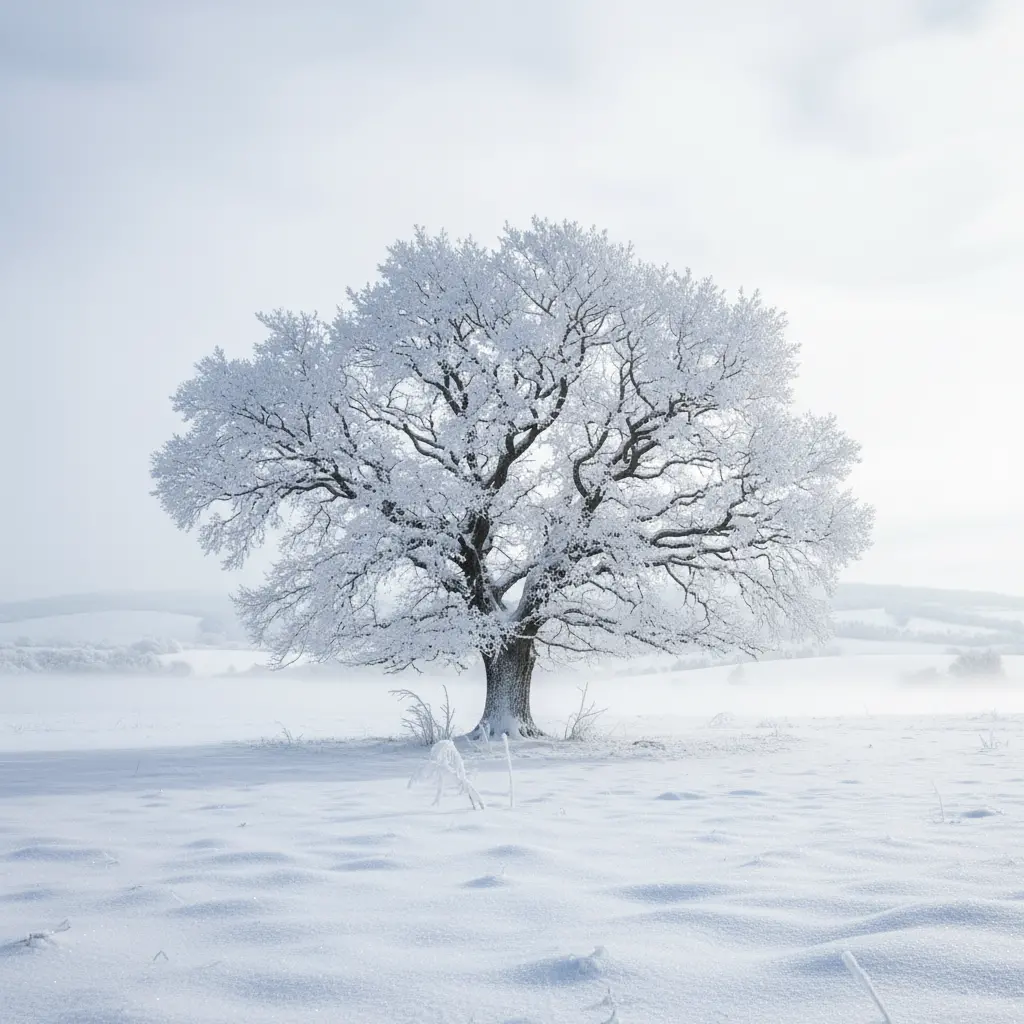
wintr- = winter + -er = time of. Origin: Germanic → Old English → Modern English. Memory image: Imagine a bare tree covered in frost, symbolizing nature's rest during the cold season.
Note 1: These definitions and etymologies are not standard dictionary definitions, but extended explanations provided to help with memorization and understanding of the actual application of words. Through this background information, we strive to make words more vivid and easier to understand, and help you remember their meanings in real life.
Note 2: LexiTalk designs the learning flow around the linguistics principle of “Comprehensible Input.” When learners encounter material that is slightly above their level but still understandable from context, the brain naturally absorbs the language. That’s why we keep every word inside authentic contexts, using examples and associations to help you understand it and use it flexibly.
Read the FAQ explanation of Comprehensible InputFirst I pull the collar up, then I shift my weight to brace against the cold wind. I move through the day, adjusting my steps as the sun drops and the air changes color. My hands push into gloves, and I set my pace to keep warmth close and the pace steady. Winter settles in, teaching me to hold on to small rituals that let the chill pass through without breaking me.
Winter is the coldest season of the year in temperate zones, characterized by shorter days and often snow, frost, or icy weather. It marks a time of dormancy and rest for nature, when plants slow their growth and animals conserve energy. People bundle up in coats, hats, and gloves, and many activities and holidays take place indoors. The word winter comes from Old English wintr-, related to Germanic roots meaning the time of winter. Memory image: a bare tree covered in frost, signaling nature’s pause during the cold season.
English speakers often picture winter as cold weather and snow, so learners may overemphasize snow or assume winter is the same everywhere. Emphasize the concept of season vs. weather and the common collocations.
Download LexiTalk app for personalized learning experience
Download AppCookies
We use cookies for essential site functions, analytics, and ads. You can accept, reject, or manage preferences. Privacy Policy