wipes - Master This Word
Master this word with our 5-step learning method – Learn English in English
Train English Through Brain Routes, Not Translation.
This page helps you stop memorizing isolated translations and start understanding a word through its shared mental image, native-style thinking, and practical training steps.
Master this word with our 5-step learning method – Learn English in English
Example sentences are the start of understanding. Don't rush to memorize. First feel how the word works in a sentence.
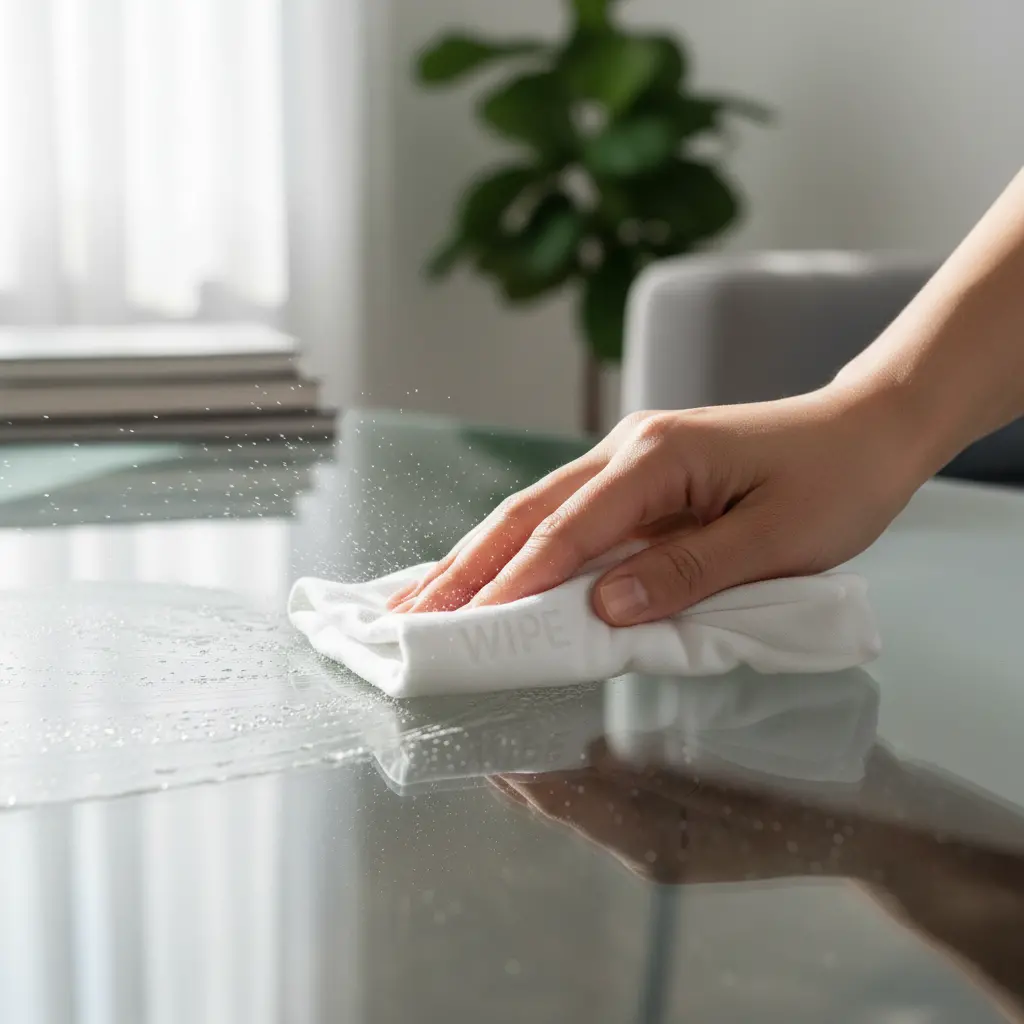
wipe = wipe (root). Origin: Old English wīpan → Middle English wipen → Modern English wipe. Memory image: Think of a hand wiping a surface clean, removing grime and dirt easily.
Note 1: These definitions and etymologies are not standard dictionary definitions, but extended explanations provided to help with memorization and understanding of the actual application of words. Through this background information, we strive to make words more vivid and easier to understand, and help you remember their meanings in real life.
Note 2: LexiTalk designs the learning flow around the linguistics principle of “Comprehensible Input.” When learners encounter material that is slightly above their level but still understandable from context, the brain naturally absorbs the language. That’s why we keep every word inside authentic contexts, using examples and associations to help you understand it and use it flexibly.
Read the FAQ explanation of Comprehensible InputI press a cloth to the mug and move it in slow circles, watching the smear fade. I push and pull with a steady rhythm, changing direction when the fabric catches. The effort tightens my shoulder a little, and a quiet sense of control grows as the surface clears. Later, I wipe away a line on a screen, and the old information slides out of view, leaving only what matters.
Wipe means to remove dirt, moisture, or unwanted material by rubbing a surface with a cloth or similar tool. It also covers removing things by brushing or swiping, and in computing, erasing data from a device. In everyday use you can wipe a table, wipe dust from a shelf, or wipe a spill with a towel. Phrasal verbs like wipe up (to collect liquid) and wipe off (to remove a thin layer or to dismiss a point metaphorically) are common. Learners often confuse wipe with wash, rub, or scrub; wipe implies a lighter, drier action, and erase data is a specialized sense.
English speakers often link wipe to quick, light cleaning with a cloth and distinguish it from washing (water-based cleaning) or rubbing (more aggressive). Learners should note phrasal variants like wipe up and wipe off, and the separate tech sense of wiping data.
Download LexiTalk app for personalized learning experience
Download AppCookies
We use cookies for essential site functions, analytics, and ads. You can accept, reject, or manage preferences. Privacy Policy