
witling - Master This Word
Master this word with our 5-step learning method – Learn English in English
Train English Through Brain Routes, Not Translation.
This page helps you stop memorizing isolated translations and start understanding a word through its shared mental image, native-style thinking, and practical training steps.
Master this word with our 5-step learning method – Learn English in English
Example sentences are the start of understanding. Don't rush to memorize. First feel how the word works in a sentence.
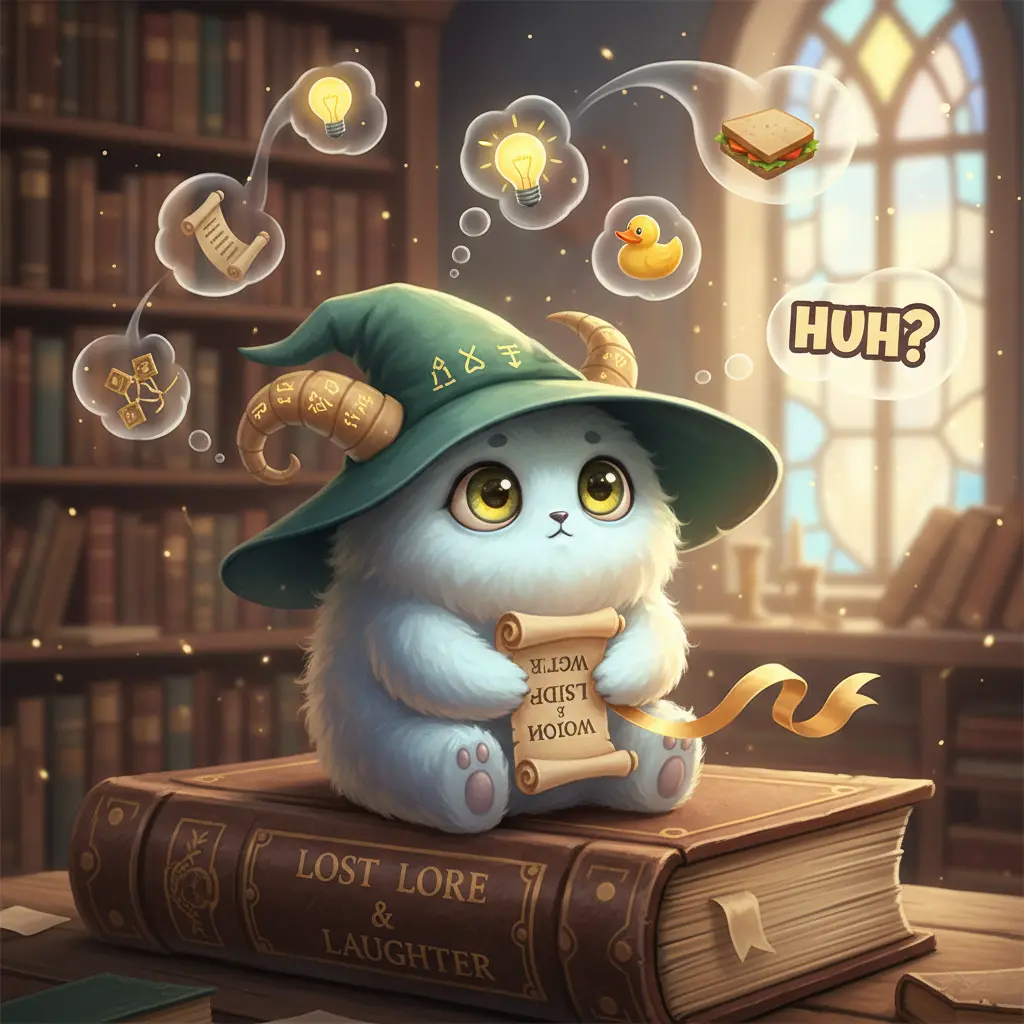
Root: wit (from 'knowledge' or 'understanding') + -ling (a diminutive suffix). Historical origin: Old English 'wita' (wise) → Middle English 'wit' + '-ling' → Modern English. Memory image: Imagine a small, fluffy creature named Witling who always gets lost in thought and forgets the wise things it hears, embodying silliness.
Note 1: These definitions and etymologies are not standard dictionary definitions, but extended explanations provided to help with memorization and understanding of the actual application of words. Through this background information, we strive to make words more vivid and easier to understand, and help you remember their meanings in real life.
Note 2: LexiTalk designs the learning flow around the linguistics principle of “Comprehensible Input.” When learners encounter material that is slightly above their level but still understandable from context, the brain naturally absorbs the language. That’s why we keep every word inside authentic contexts, using examples and associations to help you understand it and use it flexibly.
Read the FAQ explanation of Comprehensible InputWitling is a rather old-fashioned insult for someone who has little wit or common sense. The word combines wit with the diminutive suffix -ling, implying a small or inferior example of wit rather than a sharp mind. In older literature, a witling might be caricatured as silly, foolish, or easily misled, but not necessarily dangerous. In modern English the term is rare and usually used playfully or ironically, often to poke gentle fun at a friend who forgets a joke or misses an obvious point. Learners should be aware of its tongue-in-cheek tone and avoid using it toward strangers; save it for lighthearted banter or quotation marks when quoting a character.
For English learners, witling feels archaic and playful, unlike the neutral or even flattering feel of many English descriptors. Learners often confuse it with witty, or treat it as a simple insult without recognizing its literary, tongue-in-cheek tone.
What is the meaning of 'witling'?
Which sentence uses 'witling' correctly?
Which word is most similar to 'witling'?
What is the opposite of 'witling'?
Can you think of a real-life context where someone might be described as a witling?
Download LexiTalk app for personalized learning experience
Download AppCookies
We use cookies for essential site functions, analytics, and ads. You can accept, reject, or manage preferences. Privacy Policy