
LexiTalk LexiTalk

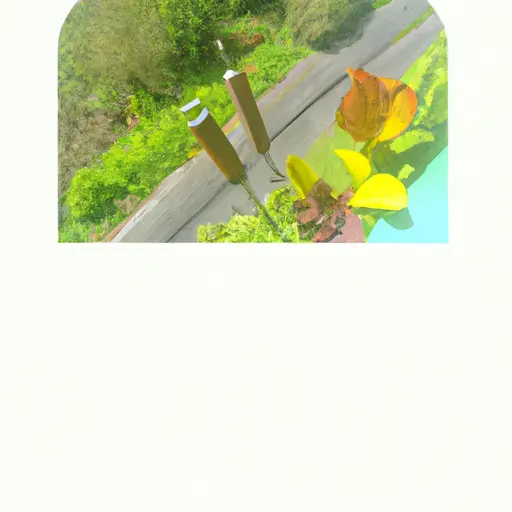
contenido de escucha inglés profesional: Exploring Botanical Art

En LexiTalk, te expones a inglés natural con contenido de escucha de contexto real. Al escuchar, reformular y reutilizar el mismo contexto, se forman respuestas de escucha y habla.

Escuchar y Hablar Jugar al mini juego de palabras 📱 Descargar la app ¿Por qué aprender con brain routes y no con traducción?
Exploring Botanical Art - Advanced English Learning Podcast - LexiTalk
🔥 Advanced · 2025.10.01 · 1m49s

🎧 Práctica audio inglés avanzado

0:00 / 0:00
Método de escucha en cinco pasadas

Convierte un contenido de escucha en input de inglés reutilizable

No te quedes en una sola reproducción. Divide el mismo episodio en cinco pasadas: primero la idea general, luego apoyo lingüístico, shadowing, dictado y una última escucha sin subtítulos.

Pasada 1

Escucha a ciegas

Comprende la idea general, el tema y la información principal sin subtítulos.
Pasada 2

Subtítulos en inglés

Aclara palabras desconocidas y frases difíciles. Usa diccionario y notas breves si hace falta.

Pasada 3

Shadowing

Repite línea por línea e imita pronunciación, ritmo, acento y entonación.

Pasada 4

Dictado

Escribe algunas frases clave de lo que oyes para entrenar forma y estructura.

Pasada 5

Reescucha sin subtítulos

Escucha otra vez sin apoyo textual y observa qué ahora resulta más claro.

Después del entrenamiento

Compartir y reformular

Comparte notas, palabras nuevas o una idea útil, y luego vuelve a contar el episodio con tus propias palabras.

Siguiente paso

De escucha intensiva a extensiva

Reutiliza episodios estudiados a fondo como escucha de fondo y aumenta el volumen con material familiar.

Pasada 1Pasada 2Pasada 3Pasada 4Pasada 5

📝 Diálogo inglés avanzado

Today, we're going to explore the fascinating world of botanical art. This is a genre that beautifully merges science and art. Botanical illustrations are often meticulously detailed, showcasing plant life in ways that serve both aesthetic and educational purposes. One of the most intriguing aspects of botanical art is how it has evolved over centuries. Artists used to rely on traditional techniques that often felt rigid and formal. However, modern botanical artists now embrace their creativity and develop brand-new styles that reflect contemporary tastes. Interestingly, some of today's best-known botanical artists have backgrounds in scientific illustration. They strive to present plants in their natural environments, capturing not just their appearances but their essence, too. An example of this is how artists render flowers. They often feel a deep connection to their subjects, which allows for a greater understanding of the flora they depict. In recent years, there's been a resurgence of interest in this art form. People appreciate the beauty of nature, and botanical illustrations have found a remarkable place in galleries and exhibitions. They evoke emotions and draw viewers into the wonders of the natural world. As we delve deeper into this topic, think about how different artists use various mediums, from watercolor to digital formats, to represent their botanical subjects. Each approach brings a unique perspective to the field.

📝 📚 Preguntas de práctica avanzadas

1

What is the primary focus of the talk?

2

What do contemporary botanical artists emphasize in their work?

3

According to the talk, what has contributed to the renewed interest in botanical art?

4

In the context of the passage, what does 'brand-new' best suggest?

5

What should listeners consider as they delve deeper into botanical art?

Convertir la Escucha en Habla

Obtén retroalimentación instantánea y práctica diaria en la app LexiTalk.

Descargar la App

Cookies

Usamos cookies para funciones esenciales, análisis y anuncios. Puedes aceptar, rechazar o gestionar tus preferencias. Política de privacidad

Soporte