
averse - 掌握這個單詞
通過我們的五步學習法掌握這個單字,用英語來學習英語
通過我們的五步學習法掌握這個單字,用英語來學習英語
例句是你理解詞義的起點,不必急著背誦,先感受它在句子中的用法。
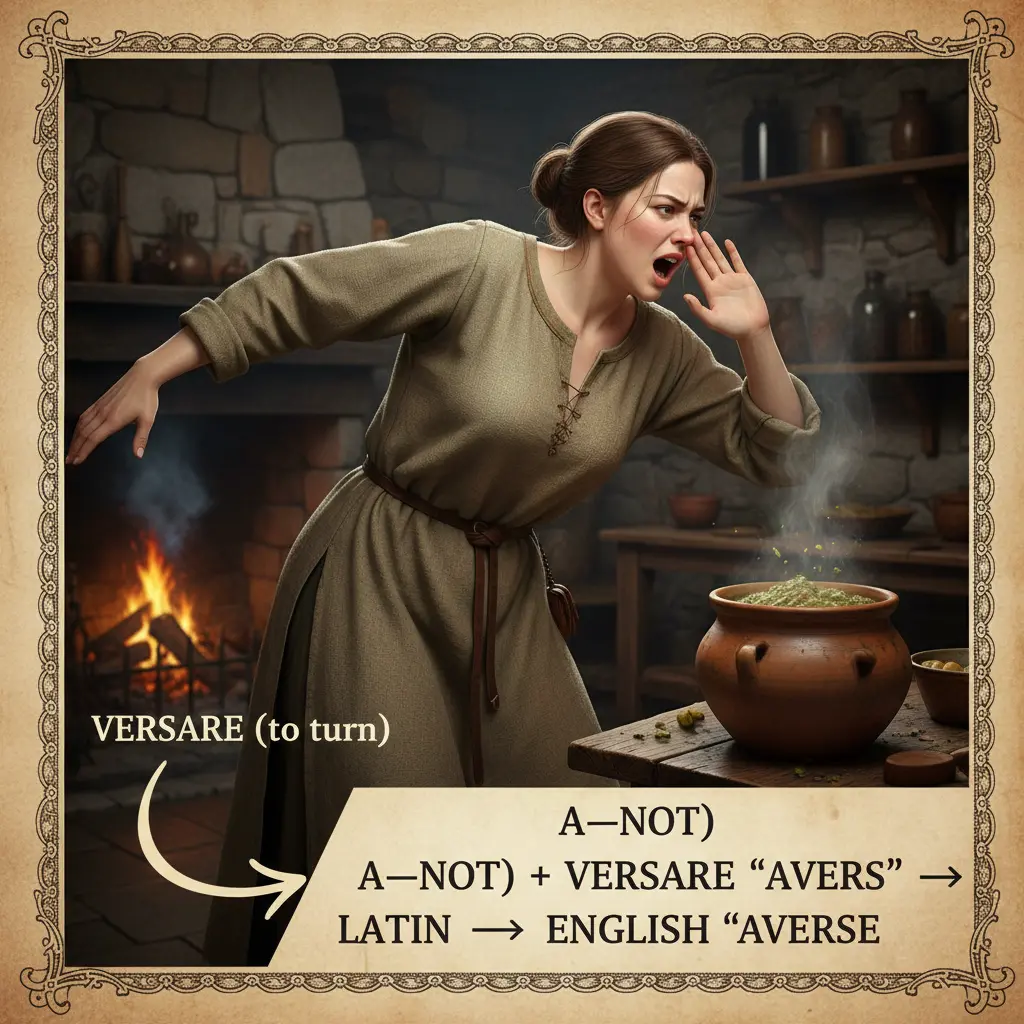
a-(不) + versare (轉) → 拉丁語 → 法語 'avers' → 英語 'averse'。想象一個人面帶厭惡地轉身,面對不愉快的事物。
註一:這些釋義和詞源並非傳統字典中的標準定義,而是為了幫助記憶和理解單詞的實際應用而提供的擴展解釋。透過這些背景資訊,我們力求讓單詞更加生動、易於理解,並幫助你記住它們在真實生活中的含義。
註二:LexiTalk 在設計學習流程時,遵循語言學中的「可理解輸入」原則。當學習者接觸略高於自己水準、但能從語境中理解的內容時,大腦會自然吸收語言。這就是為什麼我們讓每個單詞都出現在真實語境中,透過例句和聯想幫助你理解並靈活使用。
前往 FAQ 了解「可理解輸入」Averse 表示對某事有強烈反感或反對的情緒,語氣比單純的不喜歡更正式,常用於正式或專業語境,後接 to + 名詞或動名詞,如 averse to change、averse to risk,傳達的是堅定或謹慎的立場。日常對話多用 not keen on / not fond of。學習者容易混淆,或把它與介系詞搭配寫錯。請記住:a verse to + 名詞/動名詞 表示強烈反對。
在繁體中文使用者眼中,averse 常表正式與強烈的抵觸,與日常口語中的不喜歡有所區別,學習時要留意搭配與語氣。
What is the meaning of the word 'averse'?
In which of the following sentences is 'averse' used correctly? 1. She was in a very averse mood today. 2. He was averse to taking risks. 3. The cat was averse to play with the ball. 4. The sun was averse in the sky.
Which of the following words is most similar to 'averse'?
What is the opposite of 'averse'?
Can you think of a real-life situation where someone might be averse to doing something?
Cookie
我們使用 Cookie 用於必要功能、分析與廣告。您可以接受、拒絕或管理偏好。 隱私政策