
arboriculture - Master This Word
Master this word with our 5-step learning method – Learn English in English
Train English Through Brain Routes, Not Translation.
This page helps you stop memorizing isolated translations and start understanding a word through its shared mental image, native-style thinking, and practical training steps.
Master this word with our 5-step learning method – Learn English in English
Example sentences are the start of understanding. Don't rush to memorize. First feel how the word works in a sentence.
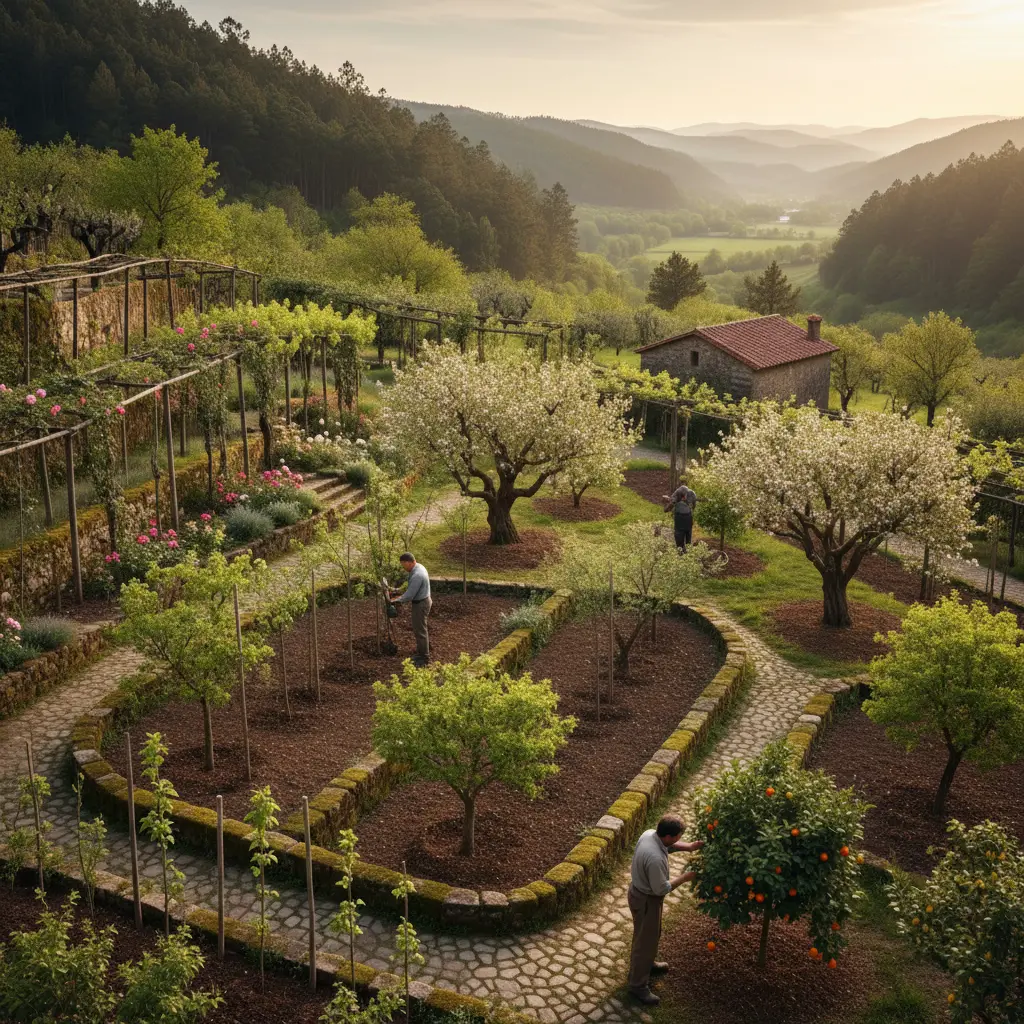
Root decomposition: arbor (tree) + culture (to cultivate). Historical origin: from Latin 'arbor' → Old French 'arboriculture' → English. Memory image: envision a lush garden where trees are lovingly nurtured, symbolizing growth and life.
Note 1: These definitions and etymologies are not standard dictionary definitions, but extended explanations provided to help with memorization and understanding of the actual application of words. Through this background information, we strive to make words more vivid and easier to understand, and help you remember their meanings in real life.
Note 2: LexiTalk designs the learning flow around the linguistics principle of “Comprehensible Input.” When learners encounter material that is slightly above their level but still understandable from context, the brain naturally absorbs the language. That’s why we keep every word inside authentic contexts, using examples and associations to help you understand it and use it flexibly.
Read the FAQ explanation of Comprehensible InputArboriculture is the professional practice of managing and caring for trees, shrubs, and other woody plants for present and future value. In everyday use, it spans planting, pruning, fertilizing, pest control, and risk assessment to keep landscapes healthy, safe, and aesthetically pleasing. Beyond ornamental work, arboriculture includes urban forestry, street tree programs, and the sustainable management of forests and timber crops. Practitioners, often called arborists, combine horticulture, tree biology, and environmental stewardship to select appropriate species, diagnose problems, and plan long-term maintenance. The field emphasizes safety, proper technique, and respect for wildlife habitats, soil structure, and water cycles. Understanding arboriculture helps communities thrive by balancing growth with ecological resilience.
English learners often think of arboriculture as only pruning or a fancy word for landscaping; the term actually covers long-term tree health, safety in urban settings, and forest management, so learners should focus on technical verbs (prune, assess, diagnose) and collocations with 'tree health' and 'urban forestry.'
What is the meaning of the word 'arboriculture'?
Which sentence uses 'arboriculture' correctly?
Which word is most similar to 'arboriculture'?
What is the opposite of 'arboriculture'?
Can you think of a real-life context related to 'arboriculture'?
Download LexiTalk app for personalized learning experience
Download AppCookies
We use cookies for essential site functions, analytics, and ads. You can accept, reject, or manage preferences. Privacy Policy