army - Master This Word
Master this word with our 5-step learning method – Learn English in English
Train English Through Brain Routes, Not Translation.
This page helps you stop memorizing isolated translations and start understanding a word through its shared mental image, native-style thinking, and practical training steps.
Master this word with our 5-step learning method – Learn English in English
Example sentences are the start of understanding. Don't rush to memorize. First feel how the word works in a sentence.
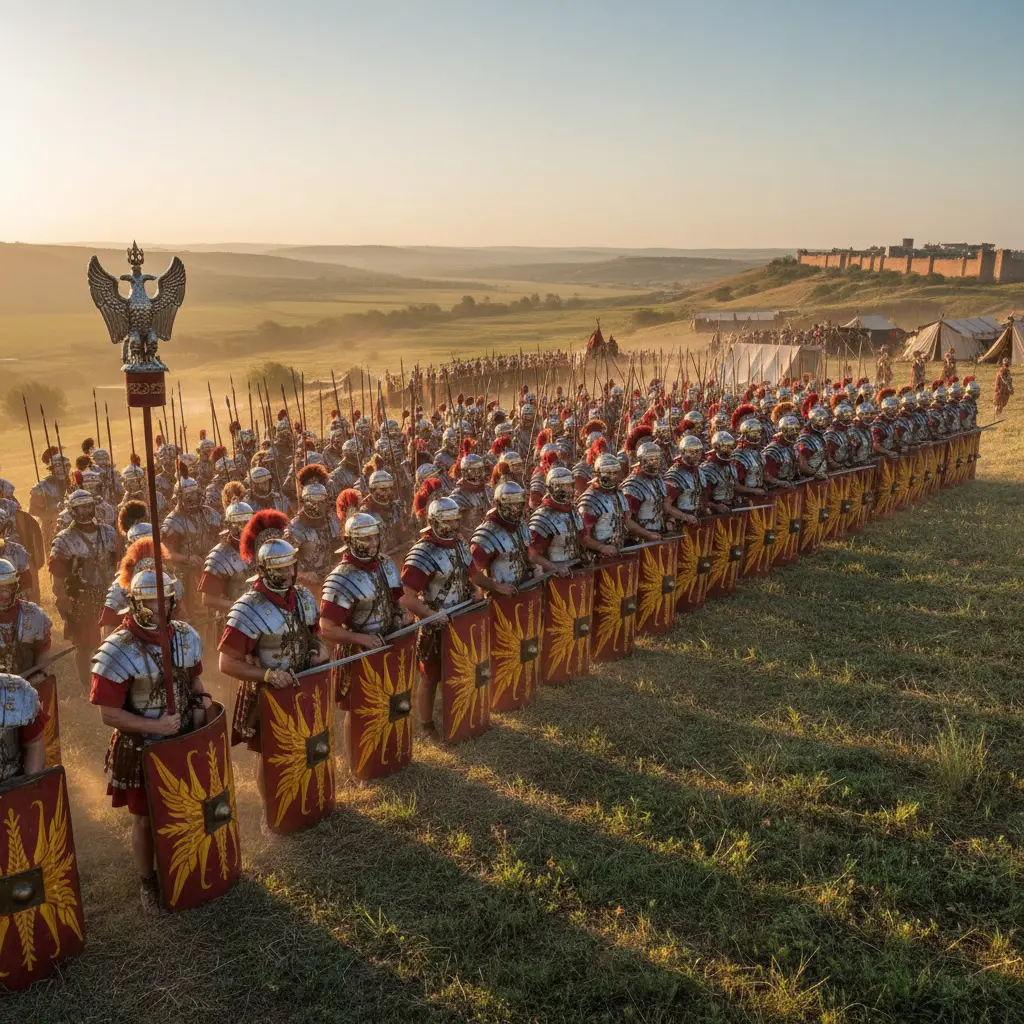
Root: arm (to equip) + y (state of being) → Historical origin: Latin 'armatus' → Old French 'arme' → English 'army'. Memory image: Picture a line of soldiers, each equipped and ready, to embody the organized might of a nation.
Note 1: These definitions and etymologies are not standard dictionary definitions, but extended explanations provided to help with memorization and understanding of the actual application of words. Through this background information, we strive to make words more vivid and easier to understand, and help you remember their meanings in real life.
Note 2: LexiTalk designs the learning flow around the linguistics principle of “Comprehensible Input.” When learners encounter material that is slightly above their level but still understandable from context, the brain naturally absorbs the language. That’s why we keep every word inside authentic contexts, using examples and associations to help you understand it and use it flexibly.
Read the FAQ explanation of Comprehensible InputI steady my breath, set my posture, and push a line of wooden figures forward on the table. They shift together as I pull some back, then adjust the rhythm to keep the line neat. In that small scene I feel how many people move as one, turning effort into a shared plan. When I later think of an army, the idea grows from that felt coordination—many individuals working as one for a common goal.
An army is a large, organized body dedicated to defending or expanding a nation's interests, usually focused on land forces. In English, we distinguish it from a country's navy or air force, and from broader terms like the military. The word often appears with the definite article the, as in the army, and with verbs like enlist in the army or join the army. Learners should note that army can also be used figuratively to mean a large number of people acting in coordination, such as an army of volunteers. The etymology hints at equipment and statehood, and a vivid memory image can help recall the idea of organized strength.
An English speaker expects army to refer primarily to land-based forces and to follow definite article usage (the army) for a specific force. Learners often mix army with the broader military or confuse it with navy/air force. Pay attention to plural forms (armies) and the figurative use with large groups.
What does the word 'army' refer to?
In what context is the word 'army' commonly used?
Which word is similar to 'army'?
What is the opposite of 'army'?
In what situation would you see an army in action?
Download LexiTalk app for personalized learning experience
Download AppCookies
We use cookies for essential site functions, analytics, and ads. You can accept, reject, or manage preferences. Privacy Policy