
autocratic - Master This Word
Master this word with our 5-step learning method – Learn English in English
Train English Through Brain Routes, Not Translation.
This page helps you stop memorizing isolated translations and start understanding a word through its shared mental image, native-style thinking, and practical training steps.
Master this word with our 5-step learning method – Learn English in English
Example sentences are the start of understanding. Don't rush to memorize. First feel how the word works in a sentence.
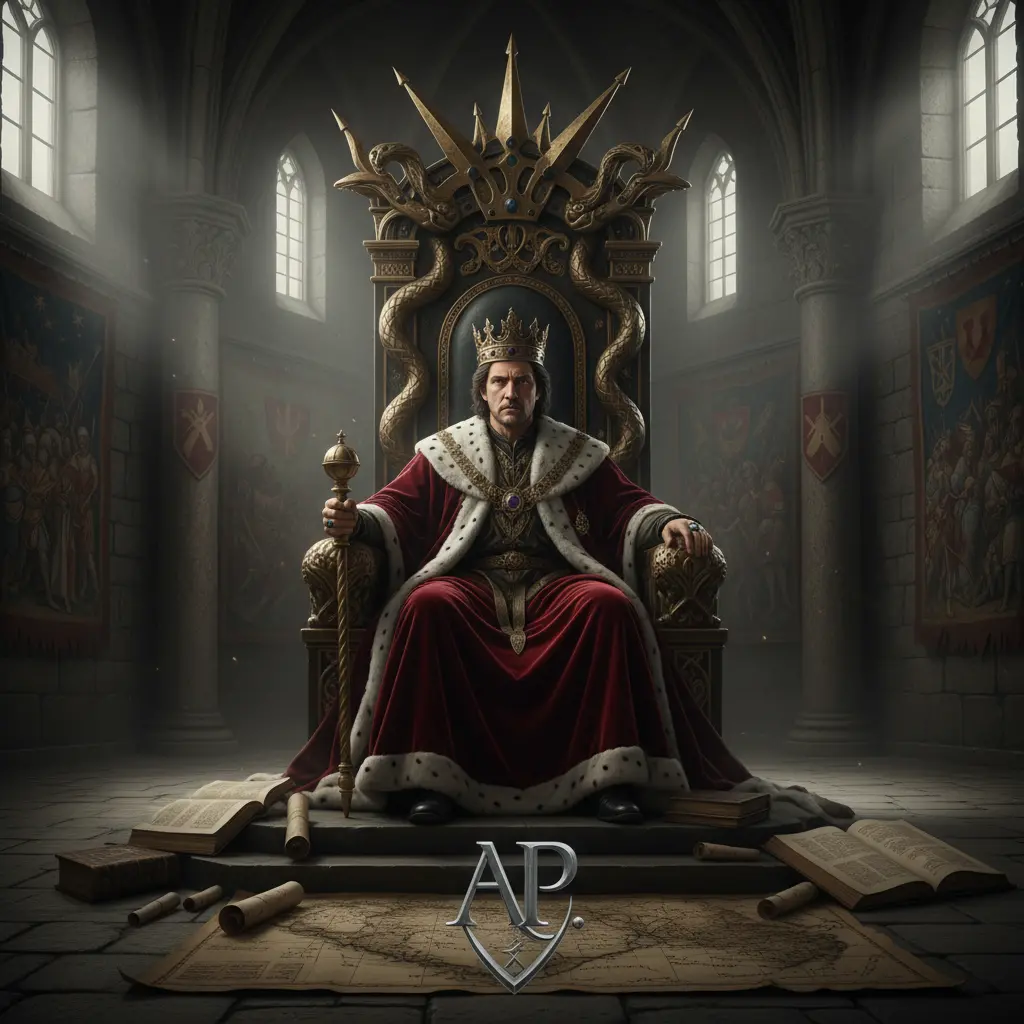
autocratic: auto- (self) + cratic (power) from ancient Greek. It entered English via Latin and French in the 19th century. Imagine a king sitting on a throne all alone, making all decisions without anyone's input, symbolizing absolute power.
Note 1: These definitions and etymologies are not standard dictionary definitions, but extended explanations provided to help with memorization and understanding of the actual application of words. Through this background information, we strive to make words more vivid and easier to understand, and help you remember their meanings in real life.
Note 2: LexiTalk designs the learning flow around the linguistics principle of “Comprehensible Input.” When learners encounter material that is slightly above their level but still understandable from context, the brain naturally absorbs the language. That’s why we keep every word inside authentic contexts, using examples and associations to help you understand it and use it flexibly.
Read the FAQ explanation of Comprehensible InputAutocratic describes power concentrated in one person who makes decisions without input from others. The word is used for political leadership, but also for management styles in companies or organizations where a single person dictates the terms. It often carries a critical edge, signaling limited consultation, restricted debate, and a lack of checks and balances. The nuance is about the method of ruling or leading rather than a formal system like a constitution or election. Its roots come from the Greek auto- meaning self and kratos meaning power, entering English through Latin and French in the modern era. Common collocations include autocratic rule, autocratic leadership, and autocratic decision-making.
Explain to an English learner that autocratic emphasizes personal power and directive style; learners often overgeneralize to any strong leader and mix up with authoritarian or autocracy. Encourage distinguishing leadership style from political systems.
What is the meaning of 'autocratic'?
Choose the correctly used sentence containing 'autocratic'.
Which word is most similar to 'autocratic'?
What is the opposite of 'autocratic'?
Can you think of a real-life context where an autocratic style might be observed?
Download LexiTalk app for personalized learning experience
Download AppCookies
We use cookies for essential site functions, analytics, and ads. You can accept, reject, or manage preferences. Privacy Policy