
balk - Master This Word
Master this word with our 5-step learning method – Learn English in English
Train English Through Brain Routes, Not Translation.
This page helps you stop memorizing isolated translations and start understanding a word through its shared mental image, native-style thinking, and practical training steps.
Master this word with our 5-step learning method – Learn English in English
Example sentences are the start of understanding. Don't rush to memorize. First feel how the word works in a sentence.
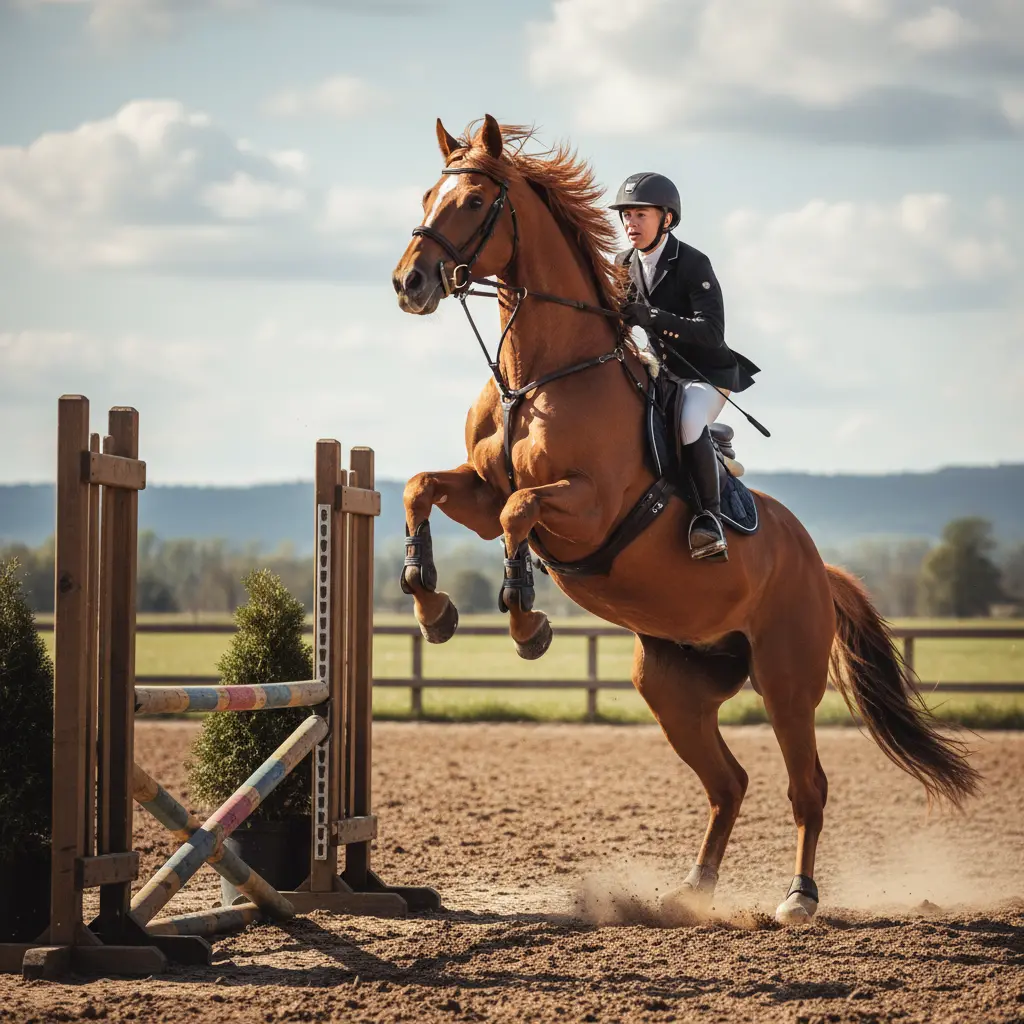
From Old English 'bealcian' (to impede, to hinder) + suffix '-k', leading to the modern sense of hesitation to proceed. Imagine a horse balking at a jump, rearing back instead of charging ahead, symbolizing reluctance.
Note 1: These definitions and etymologies are not standard dictionary definitions, but extended explanations provided to help with memorization and understanding of the actual application of words. Through this background information, we strive to make words more vivid and easier to understand, and help you remember their meanings in real life.
Note 2: LexiTalk designs the learning flow around the linguistics principle of “Comprehensible Input.” When learners encounter material that is slightly above their level but still understandable from context, the brain naturally absorbs the language. That’s why we keep every word inside authentic contexts, using examples and associations to help you understand it and use it flexibly.
Read the FAQ explanation of Comprehensible Inputbalk is a verb meaning to hesitate or refuse to proceed; to stop short and refuse to go on; and to thwart or check. In use, it can describe a person or animal resisting a course of action, such as a horse balking at a jump. The sense carries a nuance of reluctance or resistance rather than a mere pause. People often say someone balks at an idea, at a proposal, or at a task. It is commonly followed by at or from (balk at the plan, balk from proceeding). Balk can also imply obstructing progress in a more active sense, similar to hinder or block. Learners may mix it up with stall, hesitate, or refuse; balk emphasizes a voluntary holdback.
English often frames balk as a personal, voluntary resistance to continue, with a strong sense of inner decision. Some learners focus on the idea of simply pausing, but balk implies a deliberate holdback, frequently with at, from, or a following noun. The horse metaphor reinforces the notion of a boundary being met and a will to stop. Learners may overgeneralize to stall as a direct synonym, or misplace balk in contexts that demand mere hesitation rather than resistance.
What does 'balk' mean?
In which of the following sentences is 'balk' used correctly?
Which word is a synonym of 'balk'?
What is the opposite of 'balk'?
In what real-life context might someone 'balk' at a decision?
Download LexiTalk app for personalized learning experience
Download AppCookies
We use cookies for essential site functions, analytics, and ads. You can accept, reject, or manage preferences. Privacy Policy