bitterly - Master This Word
Master this word with our 5-step learning method – Learn English in English
Train English Through Brain Routes, Not Translation.
This page helps you stop memorizing isolated translations and start understanding a word through its shared mental image, native-style thinking, and practical training steps.
Master this word with our 5-step learning method – Learn English in English
Example sentences are the start of understanding. Don't rush to memorize. First feel how the word works in a sentence.
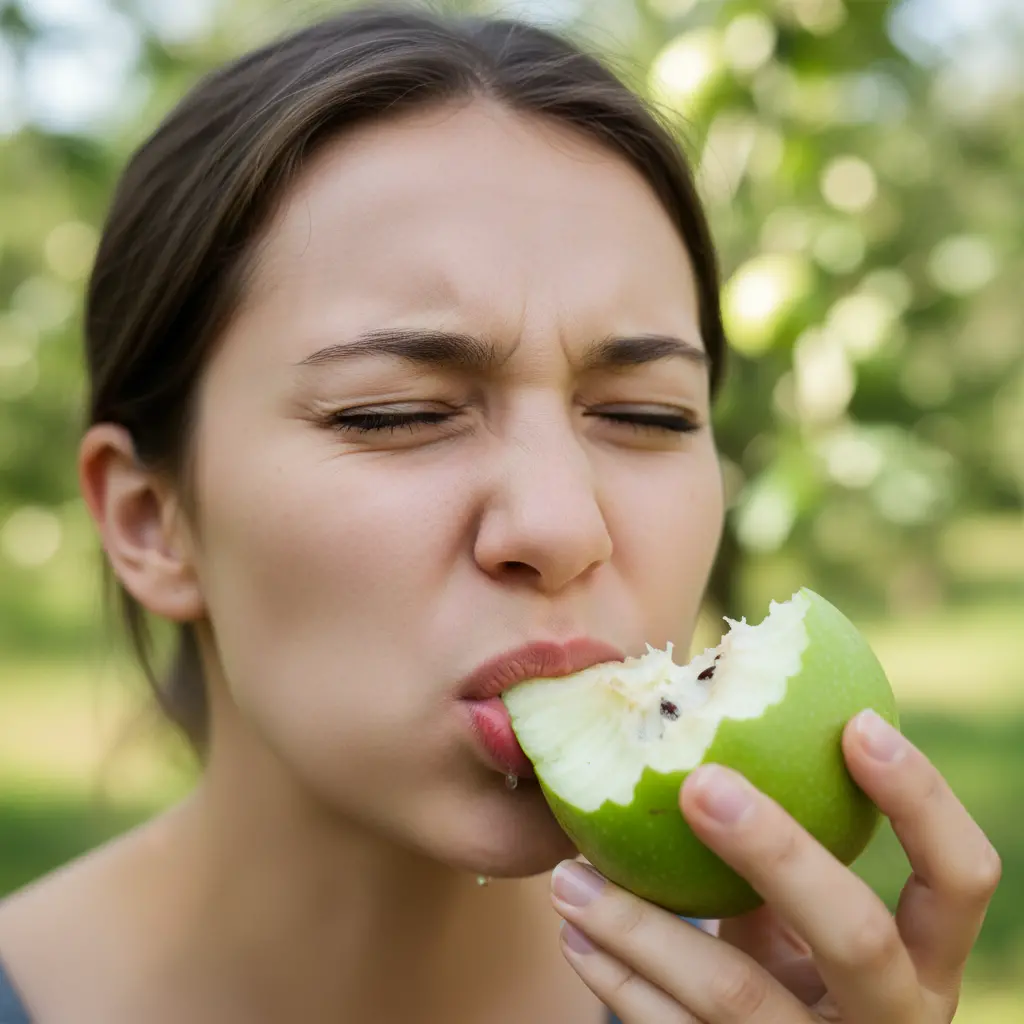
The word comes from the Proto-Indo-European root *bhei- (to be sharp). It was adopted into Old English as 'bitter' which meant pungent. Imagine biting into a green, unripe fruit that causes your face to scrunch in reaction to its sharp sourness.
Note 1: These definitions and etymologies are not standard dictionary definitions, but extended explanations provided to help with memorization and understanding of the actual application of words. Through this background information, we strive to make words more vivid and easier to understand, and help you remember their meanings in real life.
Note 2: LexiTalk designs the learning flow around the linguistics principle of “Comprehensible Input.” When learners encounter material that is slightly above their level but still understandable from context, the brain naturally absorbs the language. That’s why we keep every word inside authentic contexts, using examples and associations to help you understand it and use it flexibly.
Read the FAQ explanation of Comprehensible InputFirst I lift the mug and move the liquid toward my tongue, watching it glide across the edge. I tilt, then adjust my lips as a sharp, bitter edge lands, a sting that makes my face tighten and my heart skip a beat. I sit with the moment, keep breathing, and decide whether to swallow or let the taste linger; the flavor changes as I hold my thoughts still. By the time I set the cup down, I feel the bitterness already guiding a careful turn in how I choose my next sip and how I handle a sour mood.
Bitter describes taste that is sharp, acrid, and often disagreeable on the tongue. It also covers emotional states: a bitter person may feel resentment, heartbreak, or grief, and people can speak of a 'bitter disappointment' when outcomes fall short. In everyday English, bitter is a broader term than sour and can pair with many nouns, such as coffee, chocolate, or medicine. The sense shifts with context: 'a bitter truth' is harsh and unavoidable, while 'bittersweet' acknowledges both unpleasant and pleasant aspects. Etymology traces to Proto-Indo-European root bhei- meaning sharp, used in Old English as bitter.
Explain to an English speaker (meta, keep short)
What does the word 'bitterly' mean?
Which sentence uses 'bitterly' correctly?
Which word is most similar to 'bitterly'?
What is the opposite of 'bitterly'?
Can you think of a real-life context for the word 'bitterly'?
Download LexiTalk app for personalized learning experience
Download AppCookies
We use cookies for essential site functions, analytics, and ads. You can accept, reject, or manage preferences. Privacy Policy