
bucolic - Master This Word
Master this word with our 5-step learning method – Learn English in English
Train English Through Brain Routes, Not Translation.
This page helps you stop memorizing isolated translations and start understanding a word through its shared mental image, native-style thinking, and practical training steps.
Master this word with our 5-step learning method – Learn English in English
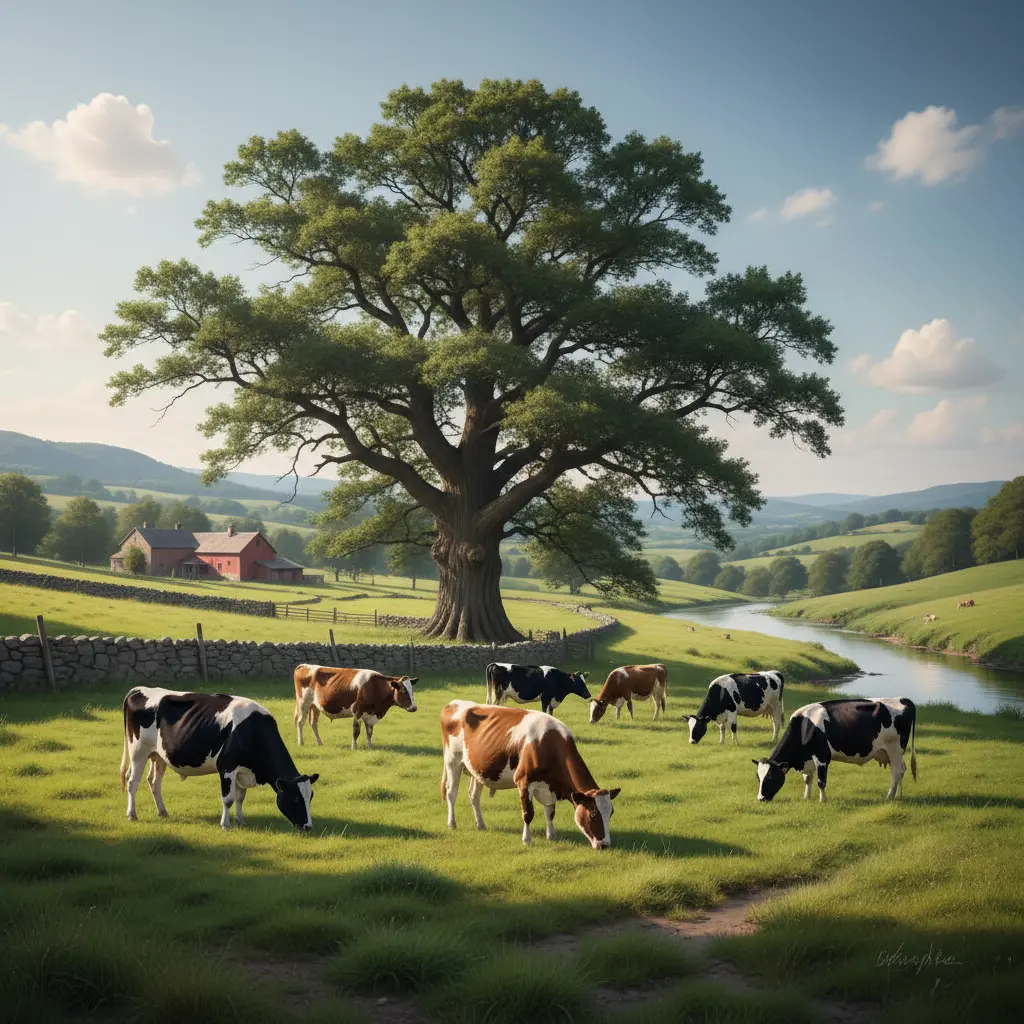
Example sentences are the start of understanding. Don't rush to memorize. First feel how the word works in a sentence.
bu- = cow, colic = pertaining to; origin: Greek → Latin → English. Picture a serene rural scene with grazing cows under a tree, symbolizing pastoral tranquility.
Note 1: These definitions and etymologies are not standard dictionary definitions, but extended explanations provided to help with memorization and understanding of the actual application of words. Through this background information, we strive to make words more vivid and easier to understand, and help you remember their meanings in real life.
Note 2: LexiTalk designs the learning flow around the linguistics principle of “Comprehensible Input.” When learners encounter material that is slightly above their level but still understandable from context, the brain naturally absorbs the language. That’s why we keep every word inside authentic contexts, using examples and associations to help you understand it and use it flexibly.
Read the FAQ explanation of Comprehensible InputBucolic is an English adjective signaling a mood of pastoral countryside life, usually in a literary or artful register. It conveys more than mere rurality: it implies an idealized, tranquil, and picturesque landscape—the sort of scene poets and painters revere. It pairs well with imagery of livestock, rustic cottages, and soft light, and often appears in descriptions of landscapes rather than people. Because it carries a refined, somewhat antiquated tone, learners should avoid using it for everyday conversation where simple words like rural or countryside would suffice. Its Greek-Latin-etymology cue about cows and pastoral scenes can help memory; it’s a mood as much as a description.
Explain to an English speaker: bucolic signals a refined, literary pastoral mood rather than plain rurality; learners often pick the plain 'rural' which misses the nuance and may sound simplistic.
What is the meaning of the word 'bucolic'?
In which sentence is 'bucolic' used correctly?
Which word is a synonym of 'bucolic'?
What is the opposite of 'bucolic'?
How would you describe a 'bucolic' setting in real life?
Download LexiTalk app for personalized learning experience
Download AppCookies
We use cookies for essential site functions, analytics, and ads. You can accept, reject, or manage preferences. Privacy Policy