
cantatas - Master This Word
Master this word with our 5-step learning method – Learn English in English
Train English Through Brain Routes, Not Translation.
This page helps you stop memorizing isolated translations and start understanding a word through its shared mental image, native-style thinking, and practical training steps.
Master this word with our 5-step learning method – Learn English in English
Example sentences are the start of understanding. Don't rush to memorize. First feel how the word works in a sentence.
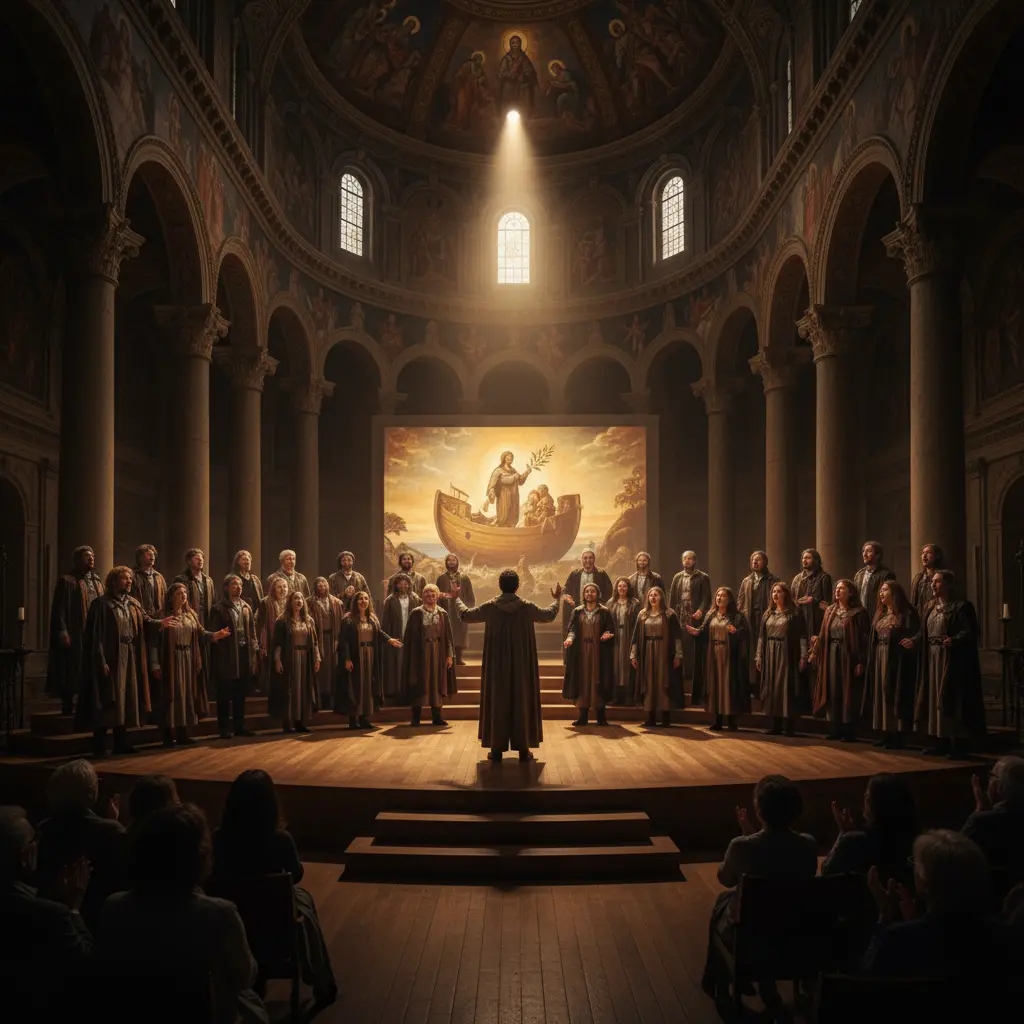
Root: 'cant'- means 'sing' + suffix '-ata'; Historical origin: from Latin 'cantata', meaning 'sung'; Memory image: Imagine a group of singers on a stage, passionately telling a biblical story through beautiful melodies.
Note 1: These definitions and etymologies are not standard dictionary definitions, but extended explanations provided to help with memorization and understanding of the actual application of words. Through this background information, we strive to make words more vivid and easier to understand, and help you remember their meanings in real life.
Note 2: LexiTalk designs the learning flow around the linguistics principle of “Comprehensible Input.” When learners encounter material that is slightly above their level but still understandable from context, the brain naturally absorbs the language. That’s why we keep every word inside authentic contexts, using examples and associations to help you understand it and use it flexibly.
Read the FAQ explanation of Comprehensible InputCantata is a musical composition for voices and instruments that tends to be longer than a simple song and integrates narrative or dramatic ideas with musical sections such as arias, recitatives, and choruses. Originating in the Baroque era, many cantatas were written for church services, though secular cantatas exist as well and can include solo and ensemble parts with instrumental interludes. The term derives from the Latin cantare, meaning to sing, with the suffix -ata marking a produced work. A vivid memory image is a stage filled with singers weaving storytelling through melody, sometimes with a single narrator or small choir guiding the audience through the plot. Note typical plural form: cantatas.
For English learners, Cantata is seen as a term from classical music with a narrative arc; learners might mix it with oratorio or opera, and may overgeneralize its religious use.
Download LexiTalk app for personalized learning experience
Download AppCookies
We use cookies for essential site functions, analytics, and ads. You can accept, reject, or manage preferences. Privacy Policy