
cavalry - Master This Word
Master this word with our 5-step learning method – Learn English in English
Train English Through Brain Routes, Not Translation.
This page helps you stop memorizing isolated translations and start understanding a word through its shared mental image, native-style thinking, and practical training steps.
Master this word with our 5-step learning method – Learn English in English
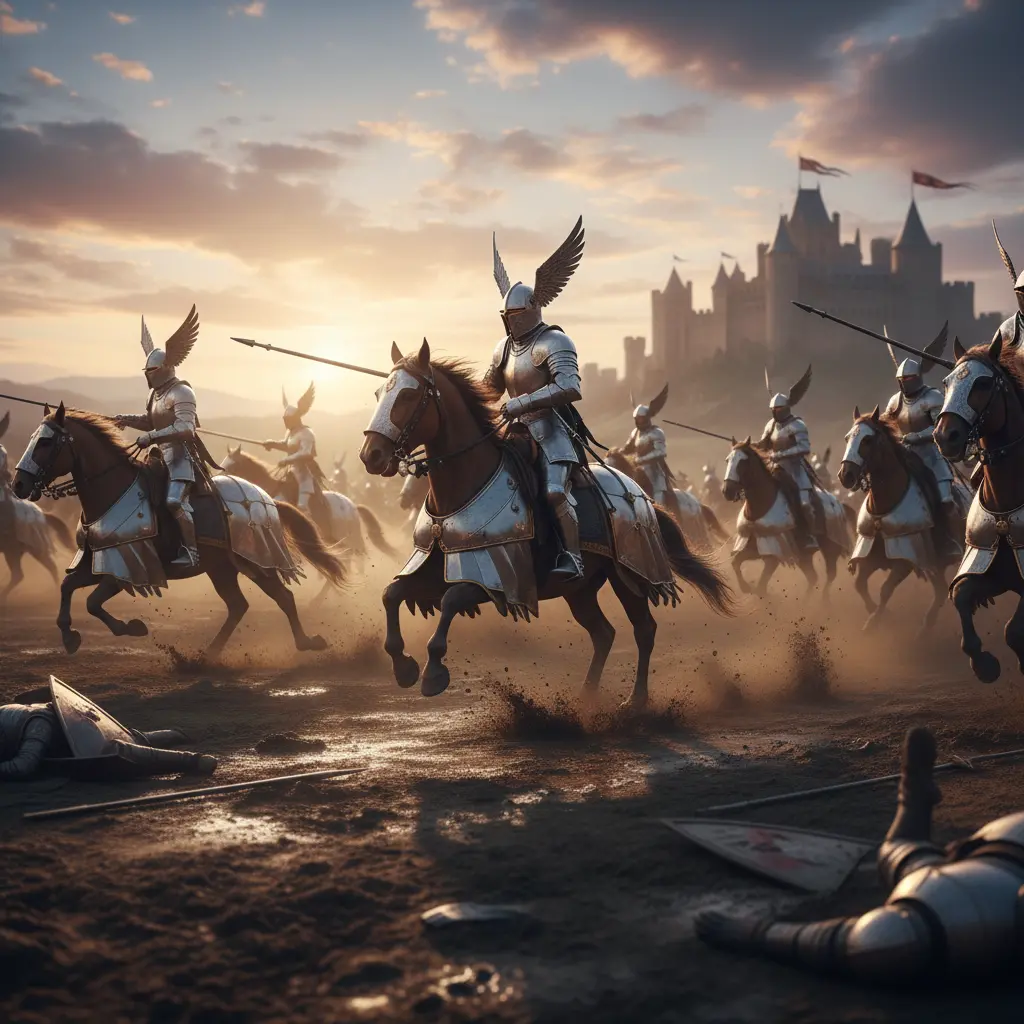
Example sentences are the start of understanding. Don't rush to memorize. First feel how the word works in a sentence.
cavalry = 'caval' (from Latin 'caballus' meaning horse) + 'ry' (denoting a group). Historical origin: Latin → Old French → English. Memory image: imagine a unit of soldiers in shining armor galloping on horseback across a battlefield.
Note 1: These definitions and etymologies are not standard dictionary definitions, but extended explanations provided to help with memorization and understanding of the actual application of words. Through this background information, we strive to make words more vivid and easier to understand, and help you remember their meanings in real life.
Note 2: LexiTalk designs the learning flow around the linguistics principle of “Comprehensible Input.” When learners encounter material that is slightly above their level but still understandable from context, the brain naturally absorbs the language. That’s why we keep every word inside authentic contexts, using examples and associations to help you understand it and use it flexibly.
Read the FAQ explanation of Comprehensible InputCavalry refers to a unit of soldiers who ride horses; historically the fastest, most mobile force on a battlefield, capable of reconnaissance, flanking, and rapid exploitation. In modern talk it extends to any group that provides rapid help in emergencies, even when no horses are involved: the cavalry arrived to save the day. The word carries a sense of tradition and speed, and you may see it in military contexts, historical writing, or adventure stories. It contrasts with infantry, who fight on foot, and with armored or air forces that perform other roles. In grammar, cavalry is usually treated as a collective noun, as in the cavalry mobilized or the cavalry were deployed.
Explain to an English speaker how the word connotes speed and traditional imagery; note that cavalry is often used as a collective noun and may be pluralized in formal contexts.
What is the meaning of the word 'cavalry'?
Which of the following sentences uses 'cavalry' correctly?
What is a synonym for 'cavalry'?
What is an opposite term for 'cavalry'?
In what real-life context would you expect to see 'cavalry' in action?
Download LexiTalk app for personalized learning experience
Download AppCookies
We use cookies for essential site functions, analytics, and ads. You can accept, reject, or manage preferences. Privacy Policy