cents - Master This Word
Master this word with our 5-step learning method – Learn English in English
Train English Through Brain Routes, Not Translation.
This page helps you stop memorizing isolated translations and start understanding a word through its shared mental image, native-style thinking, and practical training steps.
Master this word with our 5-step learning method – Learn English in English
Example sentences are the start of understanding. Don't rush to memorize. First feel how the word works in a sentence.
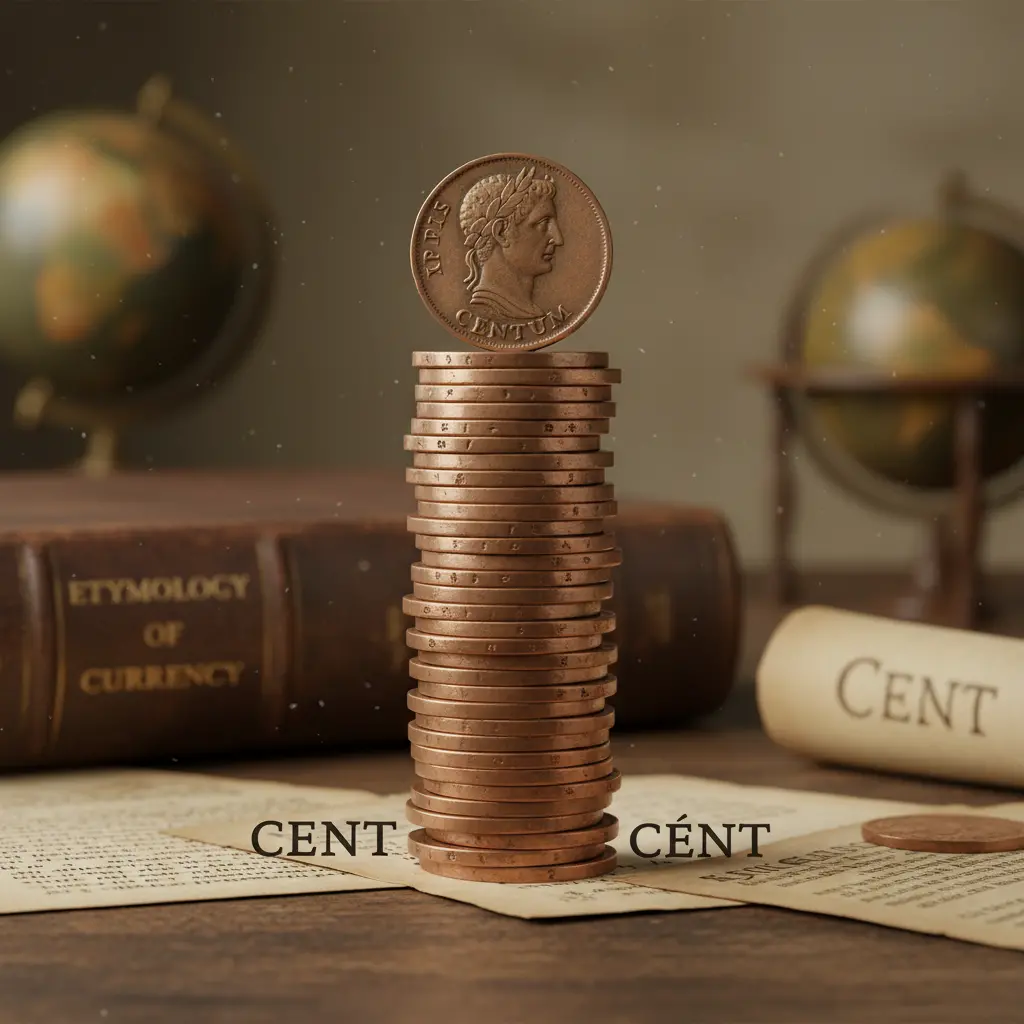
cent comes from Latin 'centum' meaning 'hundred'. It passed through Old French before entering English. Imagine a stack of 100 coins, representing the unit of cents.
Note 1: These definitions and etymologies are not standard dictionary definitions, but extended explanations provided to help with memorization and understanding of the actual application of words. Through this background information, we strive to make words more vivid and easier to understand, and help you remember their meanings in real life.
Note 2: LexiTalk designs the learning flow around the linguistics principle of “Comprehensible Input.” When learners encounter material that is slightly above their level but still understandable from context, the brain naturally absorbs the language. That’s why we keep every word inside authentic contexts, using examples and associations to help you understand it and use it flexibly.
Read the FAQ explanation of Comprehensible InputI slip a coin from my pocket and turn it in my hand, watching the light catch the edge. I push it toward the slot, steadying my breath and adjusting my grip as it tilts. The machine accepts the coin, and a small sense of relief settles in my chest as the price appears. That simple move—holding, guiding, and deciding—reminds me to pay attention to every cent I spend.
Cent is the unit of money equal to one hundredth of a dollar in the United States, and is used in many other countries with currencies that are divided into 100 smaller units. In practice you usually price items in dollars and cents, for example two dollars and fifty cents. The term cent mirrors the Latin centum; however, in everyday English we rarely say 'one cent' aloud unless referring to a small amount or an old coin. The symbol ¢ appears on some older signage or price tags, but in most writing we simply write 'cent' after a number. The plural is 'cents' when counting multiple coins or amounts. Some learners confuse cent with percent or with whole numbers.
Explain to an English speaker that cents are a precise decimal subunit and are used with dollars; many learners translate literally, thinking cent equals percentage or that cent always means a coin.
Download LexiTalk app for personalized learning experience
Download AppCookies
We use cookies for essential site functions, analytics, and ads. You can accept, reject, or manage preferences. Privacy Policy