
chlorine - Master This Word
Master this word with our 5-step learning method – Learn English in English
Train English Through Brain Routes, Not Translation.
This page helps you stop memorizing isolated translations and start understanding a word through its shared mental image, native-style thinking, and practical training steps.
Master this word with our 5-step learning method – Learn English in English
Example sentences are the start of understanding. Don't rush to memorize. First feel how the word works in a sentence.
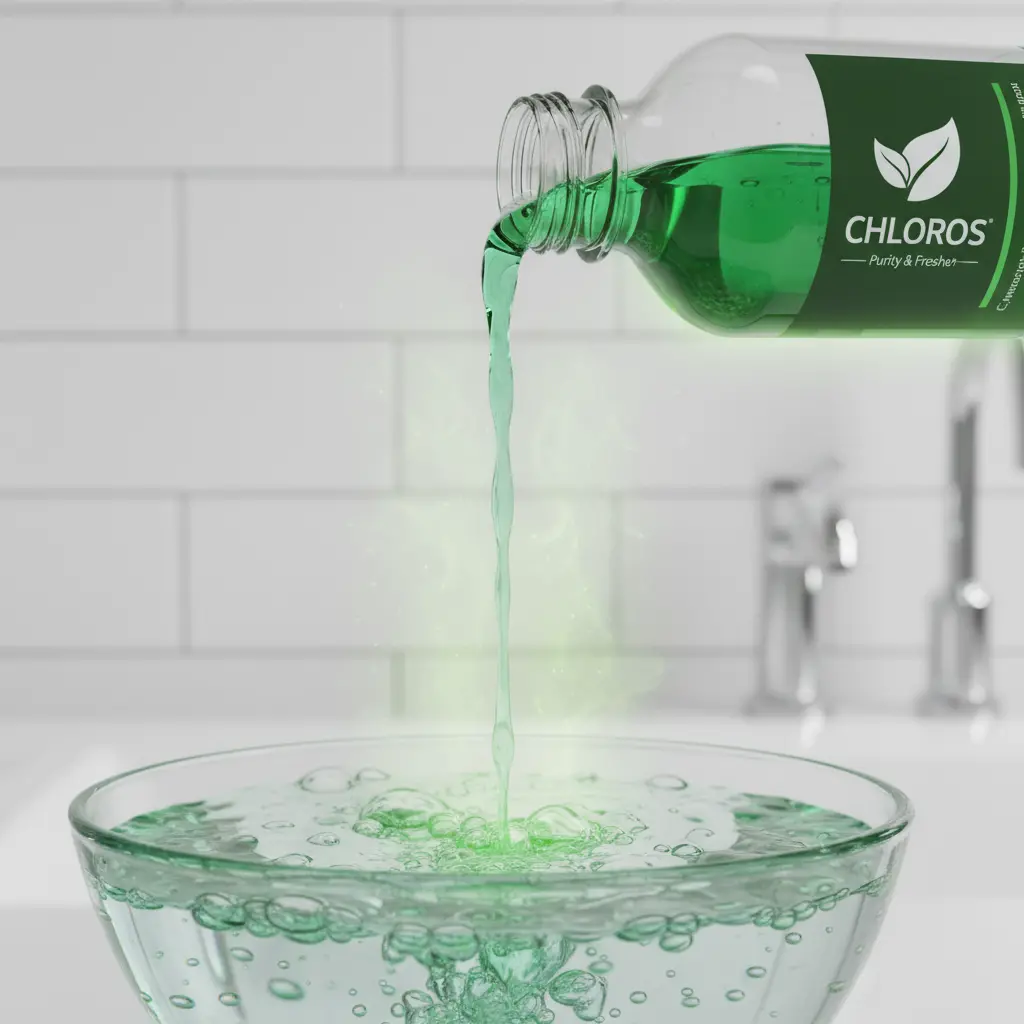
Chlorine comes from Greek 'chloros' meaning 'green', and was coined in the early 19th century. Imagine a vibrant green liquid that cleans, a hint of bright green color symbolizing purity and freshness.
Note 1: These definitions and etymologies are not standard dictionary definitions, but extended explanations provided to help with memorization and understanding of the actual application of words. Through this background information, we strive to make words more vivid and easier to understand, and help you remember their meanings in real life.
Note 2: LexiTalk designs the learning flow around the linguistics principle of “Comprehensible Input.” When learners encounter material that is slightly above their level but still understandable from context, the brain naturally absorbs the language. That’s why we keep every word inside authentic contexts, using examples and associations to help you understand it and use it flexibly.
Read the FAQ explanation of Comprehensible InputChlorine is a chemical element with symbol Cl and atomic number 17. It is a pale greenish-yellow gas at room temperature and highly reactive. In everyday life, chlorine is widely used to disinfect water in swimming pools and municipal systems, helping to kill bacteria and keep water safe. It also features in many household products as a bleaching agent, such as household bleach and some cleaners. The term comes from the Greek chloros meaning green. Learners often confuse chlorine with chlorides or with other halogens, and may misuse it in contexts about smell, color, or gas safety.
English learners often distinguish chemical elements and everyday chemicals clearly; avoid conflating 'chlorine' (the element or disinfectant) with 'bleach' or 'chloride' ions.
What is the meaning of the word 'chlorine'?
Which of the following sentences uses 'chlorine' correctly?
What is a synonym for 'chlorine'?
What is the opposite of 'chlorine'?
In what real-life context would you encounter 'chlorine'?
Download LexiTalk app for personalized learning experience
Download AppCookies
We use cookies for essential site functions, analytics, and ads. You can accept, reject, or manage preferences. Privacy Policy